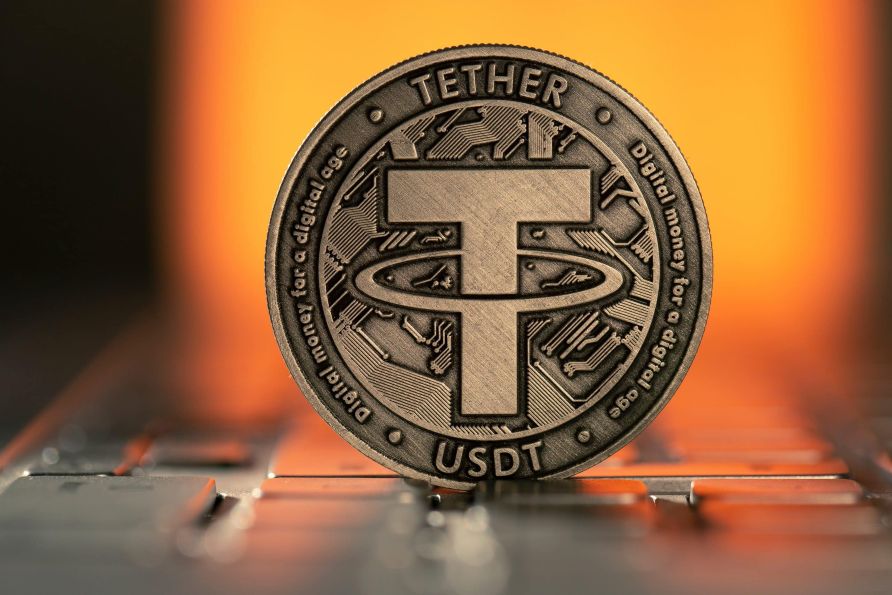
In the fast-moving world of crypto, stability is often the rarest commodity. Markets swing like pendulums, fortunes are made and lost overnight, and new tokens emerge and fade away faster than fashion trends. Just as someone might search for how to buy XAI as a way to diversify their digital portfolio, countless users are turning to stablecoins like USDT and USDC to anchor themselves in turbulent seas. By design, these assets promise consistency in a landscape built on volatility—and in 2025, they are increasingly shaping the foundation of digital money.
What makes stablecoins different
Traditional cryptocurrencies, such as Bitcoin and Ethereum, are renowned for their volatile price swings. While that volatility can generate opportunity, it also creates uncertainty. Stablecoins were designed to counter this, pegging their value to assets such as the U.S. dollar, the euro, or even commodities.
USDT (Tether) and USDC (USD Coin) are pegged 1:1 to the U.S. dollar, offering the reassurance that one token equals one dollar. For traders, this means a reliable parking spot for capital between trades. For businesses, it means a digital currency that behaves more like cash and less like a speculative gamble.
A bridge between old and new finance
Stablecoins function as a bridge between traditional finance and blockchain innovation. They facilitate the swift transfer of funds across borders, eliminating the friction of bank wires, currency conversions, and high transfer fees.
In practice, they transform crypto wallets into global bank accounts. Sending USDC to someone in another country can be as easy as sending an email, with settlement happening in minutes instead of days. This efficiency is one reason stablecoins are gaining traction in remittances, global trade, and online commerce.
Explosive growth in adoption
The numbers tell a clear story. By 2025, USDT and USDC together account for more than 70% of the stablecoin market, with trillions of dollars in annual transaction volume. Reports from blockchain analytics firms show that stablecoins are now used more frequently for payments and transfers than for speculative trading.
This shift reflects a broader cultural change: people are beginning to see stablecoins not just as crypto tools, but as everyday money. For many, they represent the first real-world use case of blockchain technology at scale.
Use cases beyond trading.
Initially, stablecoins served primarily as a haven for traders looking to exit volatile positions. Today, their utility has broadened significantly:
- Remittances: Migrant workers send funds home using stablecoins to avoid high remittance fees.
- E-commerce: Online merchants accept USDT and USDC for instant, borderless payments.
- Savings: In countries with high inflation, stablecoins are used as digital dollars to preserve value.
- DeFi integration: Lending, borrowing, and yield strategies often rely on stablecoins as the base currency.
This versatility reinforces their role as the backbone of digital finance.
Regulatory spotlight
With significant influence comes great scrutiny. Regulators worldwide are closely examining stablecoins, concerned about transparency, reserves, and systemic risk. The collapse of algorithmic stablecoins in earlier years—most notably TerraUSD in 2022—put the entire sector under scrutiny.
In response, issuers like Circle (the issuer behind USDC) have prioritized regular audits and transparency reports. Tether has also increased disclosures about its reserves. Clearer regulations, particularly in the U.S. and Europe, are expected to cement stablecoins as legitimate financial instruments rather than fringe assets.
The competition between USDT and USDC
While both coins share the same purpose, their approaches differ slightly. USDT has long been the market leader, with broad adoption across exchanges and regions. USDC, on the other hand, emphasizes compliance and transparency, making it the preferred choice for institutions and regulated environments.
The competition between the two creates a healthy dynamic. Traders often switch between them based on convenience, availability, or regulatory considerations. Together, they dominate the stablecoin landscape, ensuring resilience and diversity.
Stablecoins as programmable money
One of the most exciting aspects of stablecoins is their compatibility with smart contracts. Programmable money enables automated, conditional, and integrated transfers into larger financial workflows.
For example, an international supplier could be paid automatically once goods are confirmed on a blockchain-based tracking system. Freelancers could receive wages instantly upon completing milestones, without waiting for banks to clear transactions. This functionality transforms stablecoins from static assets into dynamic tools.
Challenges on the horizon
Despite their promise, stablecoins face hurdles:
- Trust: Users must believe that reserves fully back each token.
- Competition from central bank digital currencies (CBDCs): Projects such as the digital euro or digital yuan could directly compete with private stablecoins.
- Scalability: As adoption grows, networks must be able to handle higher transaction volumes without congestion.
Addressing these issues will determine whether USDT and USDC maintain their dominance into the next decade.
The global impact
Stablecoins are not exclusive to the United States or Europe. In countries with unstable currencies, citizens are turning to USDT and USDC as lifelines. From Argentina to Nigeria, demand for digital dollars reflects the search for financial stability amid local economic turbulence.
For businesses in developing economies, stablecoins offer access to global markets without the barriers of traditional banking. This democratization of finance is one of the strongest arguments for long-term importance.
Looking to 2030 and beyond
By 2030, stablecoins may become so ingrained in daily life that people use them without even realizing it. Just as few think about the protocols powering the internet, users may transact in digital dollars without distinguishing between USDT, USDC, or government-backed alternatives.
The bigger picture suggests a gradual merging of traditional finance and blockchain-based systems, with stablecoins leading the way.
Conclusion: the new backbone of money
In 2025, USDT and USDC stand as pillars of digital finance. They provide stability in volatile markets, act as a bridge between nations, and open doors for billions of people excluded from traditional banking.
Their rise signals a shift in how money itself is perceived—less tied to physical borders, more connected to digital ecosystems. Stablecoins may not be as flashy as Bitcoin or as revolutionary as Ethereum, but they are proving to be the reliable engines driving the crypto economy forward.
Ultimately, while the spotlight often shines on speculative tokens, it is the quiet, steady hum of USDT and USDC that powers the backbone of digital money.