
Discover how to choose, size, place, and style a rectangle wall mirror for your living room. Learn expert decorating tips, lighting strategies, and common mistakes to avoi
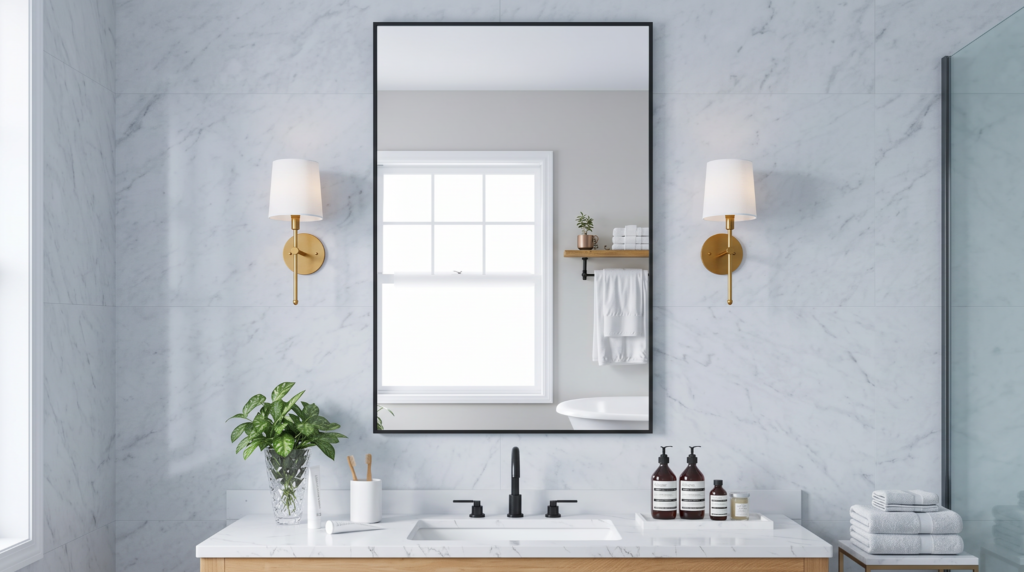
A well-chosen rectangle wall mirror living room design does much more than fill an empty wall. It influences how spacious a room feels, reflects natural light, creates visual balance, and complements your overall interior style. Whether you’re decorating a compact apartment or a spacious family home, selecting the right mirror involves more than choosing a frame that looks attractive.
Interior designers frequently use mirrors as functional design elements because they help improve brightness, visually expand smaller rooms, and highlight architectural details. However, the wrong size, incorrect placement, or mismatched frame can have the opposite effect, making a room feel cluttered or disproportionate.
This guide explains everything homeowners should know before selecting a rectangular wall mirror, from ideal dimensions and frame materials to placement strategies, lighting considerations, and current design trends in American homes.
Why Rectangle Mirrors Continue to Dominate Interior Design
Among all mirror shapes, rectangles remain one of the most versatile options. Their clean geometry naturally complements most furniture layouts because sofas, media consoles, fireplaces, and artwork typically follow horizontal or vertical lines.
Unlike circular or irregular-shaped mirrors that often become statement pieces, rectangular mirrors easily integrate into traditional, transitional, modern, farmhouse, Scandinavian, industrial, and minimalist interiors.
Their balanced proportions also make them practical for nearly every living room size, allowing homeowners to create symmetry without overwhelming surrounding décor.
The Design Benefits of Adding a Wall Mirror
A thoughtfully positioned mirror provides several functional advantages beyond aesthetics.
Creates the Illusion of More Space
One of the oldest interior design techniques is using mirrors to visually enlarge a room. By reflecting surrounding walls and open floor areas, mirrors reduce the feeling of confinement, especially in apartments, condos, and compact homes.
Large rectangular mirrors work particularly well in narrow living rooms because they create a stronger sense of depth than smaller decorative mirrors.
Improves Natural Light Distribution
Instead of relying entirely on artificial lighting, strategically placing a mirror opposite or adjacent to windows allows sunlight to bounce throughout the room.
This reflected light can brighten darker corners while reducing harsh shadows during daylight hours. Homes with limited window exposure often benefit significantly from this simple design approach.
Establishes Visual Balance
Every room needs a focal point. A mirror positioned above a fireplace, console table, or sofa helps anchor the furniture arrangement while creating a balanced composition. When centered properly, it naturally guides the eye through the room without competing with other decorative elements.
Choosing the Right Mirror Size
Size selection is one of the most overlooked aspects of decorating. Interior designers generally recommend selecting a mirror that’s approximately two-thirds to three-quarters the width of the furniture beneath it. For example:
- Above a 72-inch sofa, consider a mirror around 48–54 inches wide.
- Above a console table measuring 60 inches, a mirror approximately 40–45 inches wide often create balanced proportions.
Height also matters. Taller mirrors emphasize vertical space, making ceilings appear higher, while wider mirrors visually expand wall width. Avoid choosing a mirror that’s too small for a large wall, as it can appear disconnected from the surrounding furnishings.
Horizontal vs. Vertical Orientation
The orientation significantly changes how a living room feels.
Horizontal Mirrors
Horizontal designs are ideal above sofas, fireplaces, and entertainment centers. They visually widen the wall and create a more expansive appearance across the room.
Vertical Mirrors
Vertical mirrors are better suited for narrow walls, corners, or spaces beside shelving units. Their height naturally draws attention upward, making ceilings seem taller while emphasizing architectural features. Selecting the appropriate orientation depends on the room’s proportions rather than personal preference alone.
Understanding Frame Materials
The frame contributes just as much to the overall aesthetic as the reflective surface.
Wood Frames
Wood remains one of America’s most popular choices because it suits traditional, farmhouse, coastal, rustic, and Scandinavian interiors. Natural oak, walnut, maple, and reclaimed wood continue trending due to their warmth and timeless appeal.
Metal Frames
Slim black, brass, bronze, and brushed nickel frames complement contemporary and industrial interiors. Their minimalist appearance allows the mirror to blend seamlessly without overwhelming nearby décor.
Frameless Mirrors
Frameless options create a clean, modern appearance while maximizing visible reflection. They work especially well in minimalist homes where simplicity remains the primary design goal.
Best Placement Ideas
Mirror placement should always have a purpose. Instead of hanging one simply because a wall feels empty, consider what the mirror will reflect.
Above the Sofa
This remains the most common placement because it establishes symmetry and creates a clear focal point. Leave approximately 6–10 inches between the top of the sofa and the bottom of the mirror.
Above a Fireplace
A rectangular mirror above a mantel reflects both natural light and decorative styling elements such as candles, artwork, or seasonal arrangements. This placement works well in both traditional and modern living rooms.
Opposite Windows
When positioned directly across from a window, a mirror captures outdoor scenery while maximizing daylight throughout the room. This strategy is especially effective in north-facing living spaces that receive softer natural light.
Beside Windows
Rather than reflecting the window directly, placing mirrors adjacent to windows increases brightness while maintaining a balanced wall composition.
Coordinating With Popular Interior Styles
The best mirror complements existing décor instead of competing with it.
Modern Minimalist
Choose thin black or frameless mirrors featuring clean edges and simple geometry. Neutral colors and uncluttered walls enhance the overall effect.
Farmhouse
Natural wood frames, distressed finishes, and warm tones pair beautifully with comfortable furniture and layered textures.
Industrial
Dark metal frames, exposed hardware, and matte finishes complement concrete, brick, and steel accents commonly found in loft-inspired homes.
Traditional
Decorative molding, antique-inspired finishes, and warm metallic accents suit formal living rooms featuring classic furniture arrangements.
Current Living Room Mirror Trends
American homeowners continue embracing several evolving design trends. Oversized mirrors remain popular because they maximize light reflection while creating dramatic focal points.
- Thin-profile black frames continue dominating contemporary interiors due to their versatility across multiple decorating styles.
- Layered decorating has also become increasingly common, with mirrors displayed alongside framed artwork rather than replacing it entirely.
- Organic materials such as natural oak, walnut, and sustainably sourced wood remain in demand as homeowners seek warmer, more inviting interiors.
- Another growing trend involves combining mirrors with integrated lighting to improve both ambiance and functionality.
Lighting Makes a Bigger Difference Than Many Realize
A mirror only performs as well as the light it reflects. Natural daylight produces the clearest reflection while enhancing room brightness. During evening hours, layered lighting, including ceiling fixtures, floor lamps, and table lamps; helps maintain visual warmth. Avoid positioning mirrors where they directly reflect harsh overhead lights, as excessive glare can reduce visual comfort. Soft, indirect lighting usually creates the most balanced appearance.
Common Decorating Mistakes
Many decorating problems result from improper mirror placement rather than poor design.
- One frequent mistake involves hanging mirrors too high.
- The mirror should generally sit near average eye level unless positioned above furniture.
- Another issue is reflecting undesirable views, such as cluttered shelves, televisions, or blank walls.
- Instead, aim to reflect windows, artwork, plants, fireplaces, or attractive architectural features.
- Selecting an undersized mirror for a large wall is equally problematic because it leaves excessive empty space and diminishes visual impact.
- Finally, avoid overcrowding walls with too many decorative accessories surrounding the mirror, as simplicity often creates a stronger focal point.
Maintenance Tips for Long-Term Clarity
Regular maintenance helps preserve both appearance and longevity. Dust frames weekly using a microfiber cloth. Clean the glass with a non-abrasive glass cleaner and lint-free cloth to prevent streaks. Avoid spraying cleaner directly onto framed mirrors because excess liquid can seep behind the frame and damage protective backing over time. In humid environments, maintaining adequate indoor ventilation helps minimize moisture exposure that may eventually affect mirror edges.
Sustainability Considerations
As sustainability becomes increasingly important in home improvement, many homeowners look beyond appearance when choosing decorative pieces. Responsibly sourced wood frames, recyclable metal materials, and durable construction all contribute to products with longer service lives. Selecting timeless designs rather than short-lived trends can also reduce unnecessary replacements, making decorating decisions more environmentally responsible over time.
How to Know You’ve Chosen the Right Mirror
A successful mirror should feel naturally integrated into the room rather than appearing as an afterthought. It should complement furniture proportions, enhance available light, reflect attractive views, and support the room’s overall design direction. Before installation, consider temporarily positioning the mirror against the wall to observe what it reflects throughout different times of the day. Morning sunlight, afternoon brightness, and evening lighting all influence how effective the mirror will ultimately be.
When these elements align, a rectangle wall mirror living room arrangement becomes far more than a decorative accessory; it becomes an architectural feature that improves both the appearance and functionality of the entire space.