
Op-Ed By Keith Olson
Once again, tragedy has struck our Westchester community. In the early morning hours of October 16th, we were shocked to learn that retired NYPD Detective Sean O’Neill shot and killed his wife Arlene Connolly O’Neill, a fifth-grade school teacher, at their home in Yonkers. The retired police officer then turned the gun on himself in yet another murder-suicide involving a law enforcement officer, this time leaving three young sons behind. This horrific tragedy comes less than ten months after a Bronxville, NY police sergeant killed his wife and two young sons before taking his own life[1].
These two recent tragedies, both signs of the growing mental health crisis in law enforcement, beg a number of questions. The most basic, yet significant of these questions being “is the law enforcement community receiving the support they need to adequately address the mental health and wellness of their members?” As the current President of the Affiliated Police Associations of Westchester (APA), representing roughly 4,000 law enforcement officers in Westchester County and as a recently retired 34-year veteran of the Yonkers Police Department, I am sad to say that the answer to that question is a resounding “No.”
Having been at the forefront of this discussion for more than a decade as the former President of the Yonkers PBA and the President of the APA I will say that law enforcement has made some strides in recognizing the importance of promoting both mental and physical health and wellness with their members. Some agencies have robust peer support systems and are actively trying to find ways to improve. Acknowledging that protecting the mental health and well-being of police officers is essential in keeping our communities safe, Congress passed the Law Enforcement Mental Health and Wellness Act (LEMHWA) in 2018[2]. However, despite this progress, we have barely scratched the surface of truly tackling this important issue.
A recent study showed that a staggering 90% of police officers surveyed showed a reluctance to seek mental health help[3]. One of the prevailing reasons driving this reluctance is that far too often, officers feel that their career will suffer if they seek help, many fearing that they may even lose their job as a result. From my decades of experience in representing police officers, I can tell you unequivocally that this fear is legitimate. Far too many times I have seen situations throughout the county where officers sought the help they needed to address mental health issues, only to then feel abandoned by their own police departments and municipalities after admitting they needed help. We must do better with this. If we want our officers to come forward and seek the help they need, they must feel secure in knowing that their career will not be in jeopardy if they do so. In the law enforcement community, avoiding perceived career suicide can often lead to actual suicide.
Another situation we must begin to address is with the mental health of retired members of law enforcement. After experiencing decades of incredible trauma and stress on the job, frequently witnessing things no human being should ever have to witness, police officers retire and are often left to deal with the effects of this trauma on their own. Considering the extraordinarily high rate of post traumatic stress disorder (PTSD) and depression experienced by police officers[4], it is a recipe for disaster to abandon our officers after they retire. We must build a system that provides our retirees the help they need to maintain their health and wellness. We must also build a network where peer support members can stay in contact with the retirees in order to check on them regularly and to keep them informed of available programs and services.
The discussion of improving the mental health and wellness of police officers should also include implementing thoughtful policies on how police respond to and follow up on traumatic incidents, building effective peer support systems with well trained volunteers, ensuring that the necessary psychological treatment is available to officers when they request it and much more.
In June of 2020, then New York Gov. Andrew Cuomo signed Executive Order 203 requiring each local government in NY State to adopt a policing reform plan that would maintain public safety while building trust and mutual respect between police and the communities they serve. We were told to “reimagine policing.” Having personally served on the Yonkers Police Reform Committee I can tell you that our committee recognized the crucial connection between officer mental health and wellness and fair and effective policing. In every reform plan that I’ve read related to this executive order, and I’ve read many, maintaining the mental and physical health and wellness of police officers was listed as a priority. It is past time that our elected officials and high-ranking police leaders make this a top priority as well.
As we saw most recently on this heartbreaking early morning in Yonkers, the results of not getting our active or retired law enforcement officers the mental health help they need can be catastrophic. We have to do more. And when it comes to funding crucial wellness initiatives for police officers who risk their lives for our communities, the words “we cannot afford it” should not be uttered. The hard truth is that we cannot afford not to.
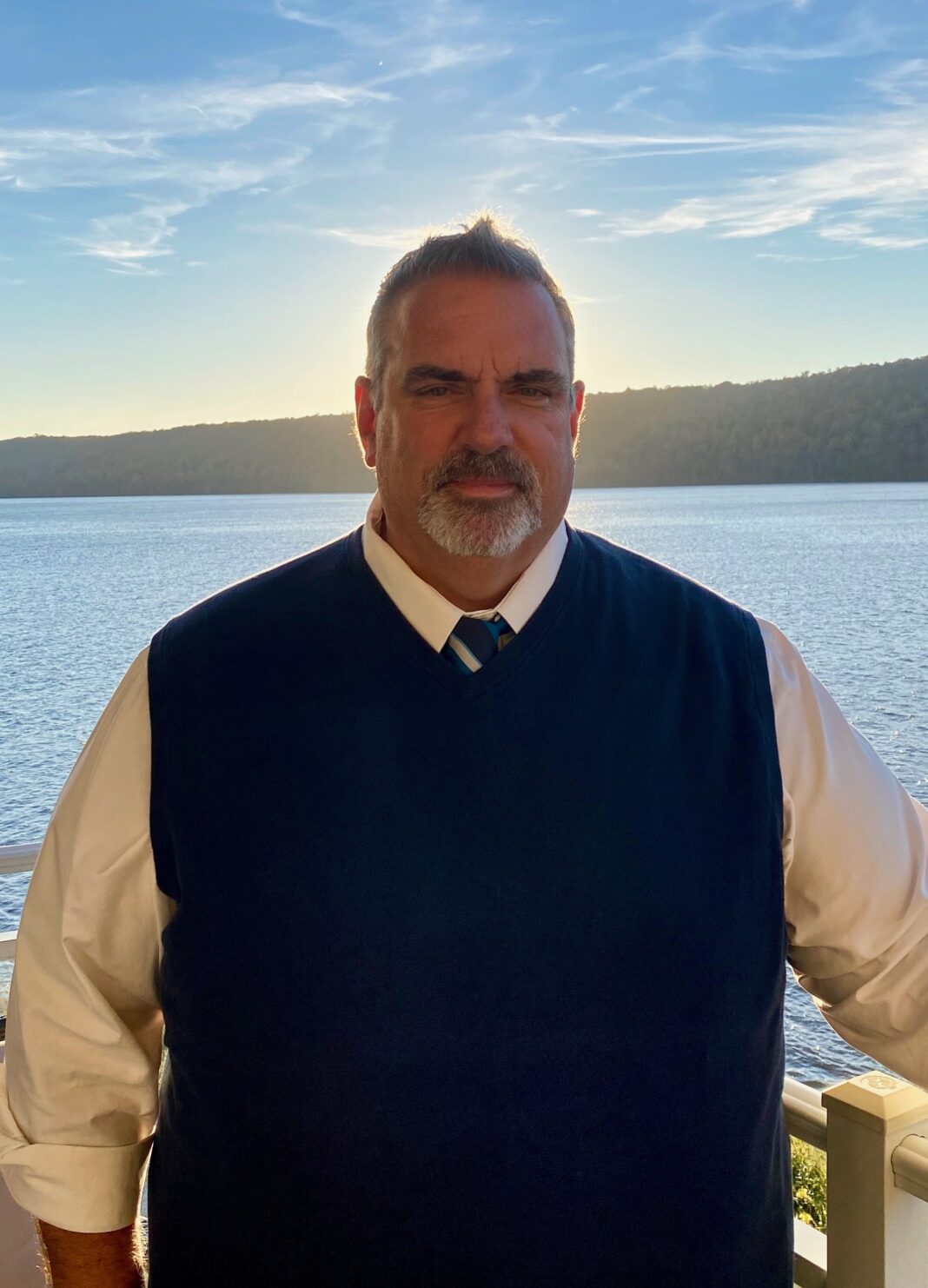
Keith Olson is the President of the Affiliated Police Associations of Westchester, and Founder & CEO of KO Solutions & Strategies LLC. He served as President of the Yonkers PBA.