
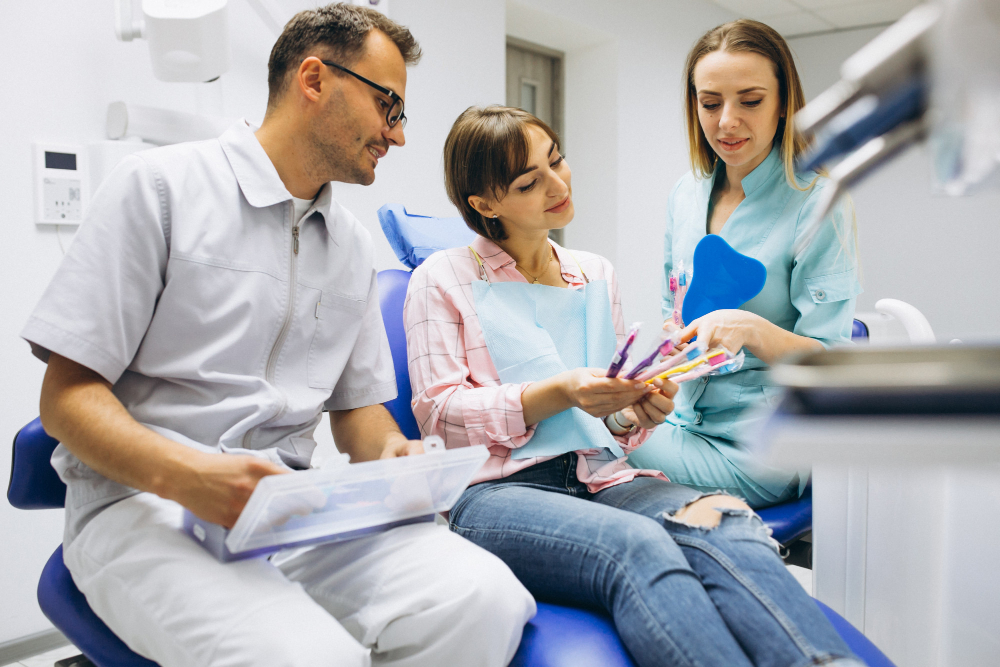
Image by senivpetro on Magnific
Over 46% of adults in the United States show signs of active periodontitis, yet nearly half of these cases remain untreated until pain or severe structural damage occurs. Research has repeatedly demonstrated that chronic oral inflammation directly correlates with systemic health conditions, including cardiovascular disease, diabetes, and stroke. Viewing dental care as a twice-a-year errand to fix visible cavities is a concept of the past. Modern practice operates as an essential frontline defense for overall systemic health.
For families balancing busy schedules and household budgets, routine visits can easily fall down the priority list until an emergency strikes. However, shifting from reactive problem-solving to proactive, technology-driven care preserves natural tooth structure and prevents costly procedures later on.
The shift from reactive repairs to proactive prevention
The core philosophy of modern dentistry relies on early detection and conservative intervention. Catching oral issues in their initial stages keeps treatments simple, comfortable, and affordable.
Catching oral health issues early
Traditional dentistry relied heavily on visual inspections and basic explorers, which meant small areas of decay or early bone loss could go undetected. Contemporary practices utilize digital imaging, high-resolution intraoral cameras, and detailed diagnostic protocols to track subtle changes in oral structures over time.
- Digital X-rays reduce radiation exposure by up to 80% while providing instant, high-contrast imagery of interproximal decay.
- 3D Cone Beam Computed Tomography (CBCT) provides clear views of jawbone density, root canal networks, and airway structures for precise clinical planning.
- Periodontal pocket mapping tracks subtle changes in gum tissue long before irreversible bone destruction occurs.
Managing oral health across multiple family members requires a practice that understands how clinical needs evolve from childhood through older adulthood. Working with an experienced manalapan nj dentist, such as Dr. Vlad Shikhmanter to name one, gives households access to comprehensive preventative cleanings, pediatric visits, and advanced care in a single location.
The real cost of delaying care
Skipping routine cleanings may seem like a quick way to save time and money, but untreated oral conditions never resolve on their own. Microscopic bacterial biofilm gradually hardens into calculus, providing a protected environment for harmful bacteria that erode enamel and bone.
- Stage 1 (Preventable): Bi-annual hygiene visit and exam ($0 to $150 out-of-pocket under standard preventative plans).
- Stage 2 (Minor Repair): Composite surface restoration ($150 to $300).
- Stage 3 (Advanced Restorative): Full-coverage crown or endodontic treatment ($1,000 to $2,500).
- Stage 4 (Full Replacement): Extraction followed by tooth replacement solutions ($3,000 to $5,000+).
Investing in routine cleanings and bi-annual examinations yields consistent long-term financial returns by eliminating the need for complex, invasive treatments down the road.
Modern solutions for structural repair and tooth replacement
Even with dedicated home habits, physical injuries, structural wear, and genetic factors can leave individuals with damaged or missing teeth. Modern restorative techniques prioritize recreating natural function, aesthetics, and structural support.
Dental implants versus traditional options
When a tooth is lost, the surrounding alveolar bone begins to resorb due to the loss of natural root stimulation. Traditional fixed bridges require grinding down adjacent healthy teeth, while removable dentures fail to stop long-term bone loss.
Placing dental implants in san antonio with trustworthy establishments like Inspire Dental offers a permanent, structural alternative by integrating artificial root posts directly into the jawbone. This preserves natural facial proportions, protects neighboring teeth, and restores original bite strength.
Precision materials and alignment
Restoring compromised teeth no longer requires noticeable metallic materials. Advanced tooth-colored composite resins and ceramic crowns match natural tooth shades while restoring structural strength.
Clear aligner therapy has also updated adult and adolescent orthodontics. Straightening crooked teeth is not just a cosmetic upgrade; overlapping teeth create tight spaces where plaque gathers, making routine brushing ineffective and raising the risk of localized decay.
Building sustainable oral health habits for every age
Maintaining a healthy smile requires consistency between daily home care and professional clinical guidance. Establishing good habits early builds a foundation for long-term oral wellness.
Care strategies across life stages
- Children: Focus on gentle habit building, topical fluoride applications, and dental sealants to protect deep grooves in new molars against plaque.
- Teens: Prioritize orthodontic evaluations, sports mouthguard protection, and education on limiting sugary energy drinks or acidic sodas.
- Adults: Focus on managing stress-related teeth grinding with custom nightguards, maintaining gum health, and addressing aesthetic goals.
- Seniors: Address dry mouth symptoms caused by common medications, maintain existing dental work, and protect exposed root surfaces from decay.
Optimizing daily home routines
Consistent daily hygiene acts as your primary defense against harmful bacterial growth. Simple updates to daily habits can dramatically reduce plaque buildup:
- Brush for two full minutes twice daily using a soft-bristled brush held at a 45-degree angle toward the gumline. Electric toothbrushes with pressure sensors help prevent aggressive scrubbing that damages enamel.
- Clean between teeth daily with string floss, interdental brushes, or water flossers to reach areas standard toothbrush bristles cannot access.
- Use targeted alcohol-free rinses containing fluoride or antibacterial agents to strengthen enamel and balance oral bacteria without drying delicate mouth tissues.
Take control of your dental health
A strong, functional smile relies on consistent daily maintenance, early diagnostic intervention, and personalized care. Combining effective home hygiene with regular professional checkups safeguards both your physical wellness and long-term financial peace of mind.
If it has been more than six months since your last professional checkup, contact your provider today to keep your smile healthy, functional, and strong for years to come.