
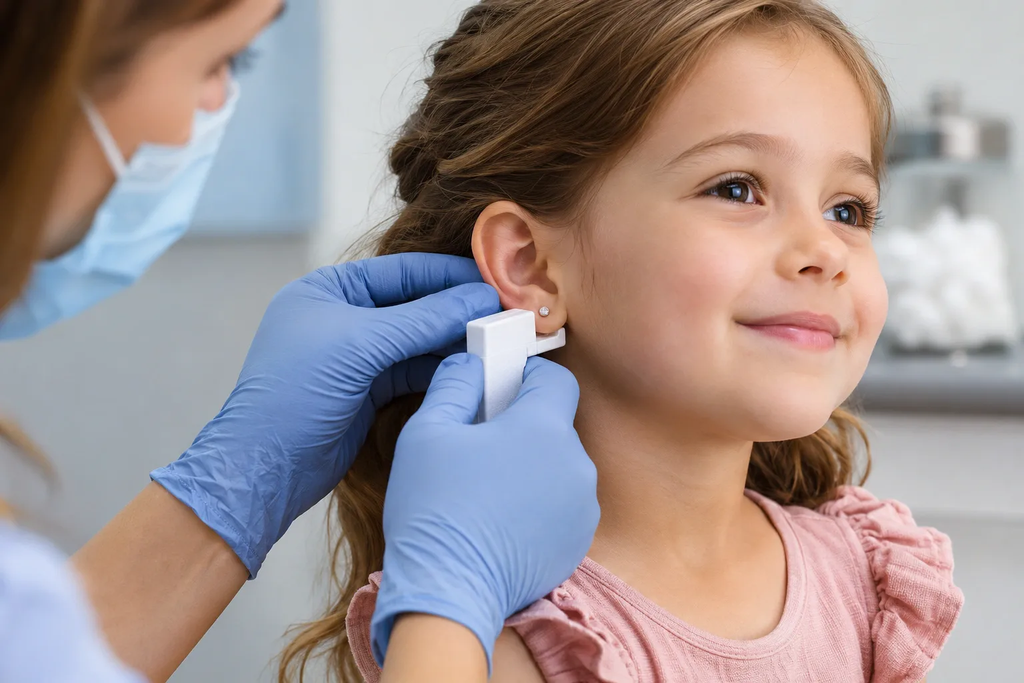
Getting a child’s ears pierced can be an exciting moment for parents, but keeping those tiny ears healthy afterward is just as important as the piercing itself. Babies and young children have delicate skin, and a fresh piercing creates a small opening where bacteria can enter. Without proper care, this can lead to redness, swelling, pain, or infection. Many parents worry about how to clean newly pierced ears, which earrings are safe, and how to recognize early warning signs. Understanding these concerns can help families avoid common problems.
Ear piercing infections often develop because of poor hygiene, repeated touching, unsuitable jewelry, or improper aftercare. Young children may accidentally pull their earrings, touch their ears with dirty hands, or experience irritation from tight earring backs. Parents sometimes make matters worse by cleaning too aggressively or changing earrings before the piercing has healed. Fortunately, many of these problems can be prevented through careful preparation, appropriate jewelry, and consistent aftercare.
For families considering ear piercing provo, choosing a healthcare setting that follows appropriate hygiene procedures is an important first step. Parents should ask about sterile equipment, jewelry materials, staff training, and aftercare instructions before scheduling an appointment. A carefully performed piercing and clear guidance can reduce avoidable risks, although no piercing method completely eliminates the possibility of infection.
Why Do Ear Piercing Infections Happen?
A new piercing creates a small wound that needs time to heal. During this period, bacteria can enter through the opening, particularly when the area is touched frequently or exposed to unclean objects. Children may also experience irritation when clothing, towels, or hair become caught around their earrings.
The type of jewelry matters as well. Some metals contain nickel, which can trigger allergic contact dermatitis in sensitive children. This reaction may cause itching, redness, and swelling that parents sometimes mistake for an infection. Medical-grade titanium and other suitable hypoallergenic materials can help reduce the likelihood of metal-related irritation.
Parents should also check that earrings are not pressing too tightly against the earlobes. Tight backs can trap moisture, irritate the skin, and contribute to swelling.
How to Choose a Safe Ear Piercing Provider
Before booking an appointment, parents should find out who performs the piercing and what safety procedures are followed. A trained professional should use appropriate sterile equipment, follow infection-control practices, and explain how the piercing will be performed.
Parents should ask whether the provider uses sterile, single-use piercing components and suitable jewelry for sensitive skin. The earrings should fit properly without placing excessive pressure on the earlobes.
It is also important to consider the child’s age and health. The American Academy of Pediatrics generally recommends waiting until children are mature enough to help care for their piercings. Families considering infant ear piercing should discuss timing, vaccinations, and any medical concerns with their pediatrician.
Five Practical Ways to Prevent Ear Piercing Infections
1. Keep Hands Clean Before Touching the Ears
Dirty hands can transfer bacteria to a fresh piercing. Parents should wash their hands thoroughly before cleaning the area or checking the earrings. Encourage older children to avoid touching their earrings unnecessarily, particularly after playing outdoors or participating in school activities.
2. Clean the Piercing Gently
Follow the specific aftercare instructions provided by the piercing professional. Gentle cleaning with an appropriate solution helps remove buildup without irritating the skin. Avoid using hydrogen peroxide, rubbing alcohol, or harsh products unless a healthcare professional specifically recommends them.
Cleaning too frequently or scrubbing the area can damage delicate tissue. The goal is to keep the piercing clean while allowing the skin to heal naturally.
3. Avoid Changing Earrings Too Early
Parents may want to replace the original earrings with a different style soon after piercing, but removing jewelry before healing is complete can irritate the opening. Newly pierced earlobes generally require several weeks to heal, and the recommended waiting period varies.
Follow your provider’s instructions before changing earrings. Removing jewelry too soon may also allow the piercing to close.
4. Protect Earrings During Daily Activities
Children are naturally active, making accidental pulling or snagging a common concern. Hairbrushes, towels, clothing, and pillowcases can catch on earrings and cause discomfort.
Choose secure, appropriately sized studs and check that the backs are properly fitted. Avoid dangling earrings during the initial healing period, as they are more likely to become caught during play.
5. Check the Piercing Every Day
A quick daily check can help parents notice changes before they become serious. Look for increasing redness, swelling, unusual discharge, or signs that the jewelry is becoming embedded in the skin.
Mild tenderness immediately after piercing can be normal, but symptoms should gradually improve. If the area becomes increasingly painful or swollen, contact a healthcare professional.
How to Recognize an Ear Piercing Infection
It can be difficult to distinguish normal healing from an infection, especially during the first few days. Mild redness and sensitivity may occur after piercing, but worsening symptoms deserve attention.
Warning signs include spreading redness, warmth, increasing swelling, persistent pain, or thick yellow or green discharge. A child may also become unusually uncomfortable when the affected ear is touched.
Fever, significant swelling, or an earring becoming embedded in the earlobe requires prompt medical evaluation. Parents should not squeeze the affected area, attempt to force out trapped jewelry, or remove earrings from a suspected infected piercing without medical guidance.
Infections involving the upper ear cartilage can be more serious and should receive prompt professional assessment.
Common Mistakes That Can Delay Healing
Some parents assume that applying stronger cleaning products will prevent infection. However, excessive cleaning and irritating chemicals can interfere with healing rather than improve it.
Another mistake is repeatedly twisting or moving earrings without a specific recommendation from the provider. Unnecessary movement can irritate the healing channel and introduce bacteria.
Parents should also avoid applying unprescribed antibiotic creams or home remedies. If symptoms suggest infection, a healthcare professional can determine whether treatment is necessary.
When Should Parents Contact a Pediatrician?
Parents should seek medical advice when redness spreads, swelling increases, pain becomes worse, or discharge appears around the piercing. Fever, an embedded earring, or a child who seems unwell should also prompt timely evaluation.
For families in Provo and nearby Utah Valley communities, Pediatric Care Plus offers children’s healthcare services and medically supervised ear piercing performed by trained medical assistants. Its service includes medical-grade piercing jewelry and aftercare guidance, helping parents understand how to care for their child’s ears and recognize concerns that may require attention.
Conclusion
Preventing ear piercing infections begins with selecting an appropriate provider and continues with careful aftercare at home. Clean hands, suitable jewelry, gentle cleaning, and regular monitoring can help protect newly pierced ears during healing. Parents should avoid changing earrings too early or using harsh cleaning products that may irritate sensitive skin. Most importantly, worsening redness, swelling, pain, or unusual discharge should never be ignored. With proper precautions and timely medical attention when needed, families can reduce complications and support healthy healing.
Frequently Asked Questions
1. How long does a baby’s ear piercing take to heal?
Earlobe piercings generally take about six to eight weeks to heal initially, although complete healing varies between children.
2. What are the first signs of an infected ear piercing?
Increasing redness, swelling, warmth, pain, and unusual discharge are common warning signs of infection.
3. Can I use alcohol to clean my baby’s ear piercing?
Rubbing alcohol may irritate healing skin. Follow your healthcare provider’s recommended cleaning instructions instead.
4. When can parents change their child’s earrings?
Wait until the recommended healing period has passed and the piercing has healed properly before replacing the original earrings.
5. Should I remove earrings if my child’s ear becomes infected?
Do not remove them without medical guidance. A healthcare professional can assess the infection and advise on safe treatment.