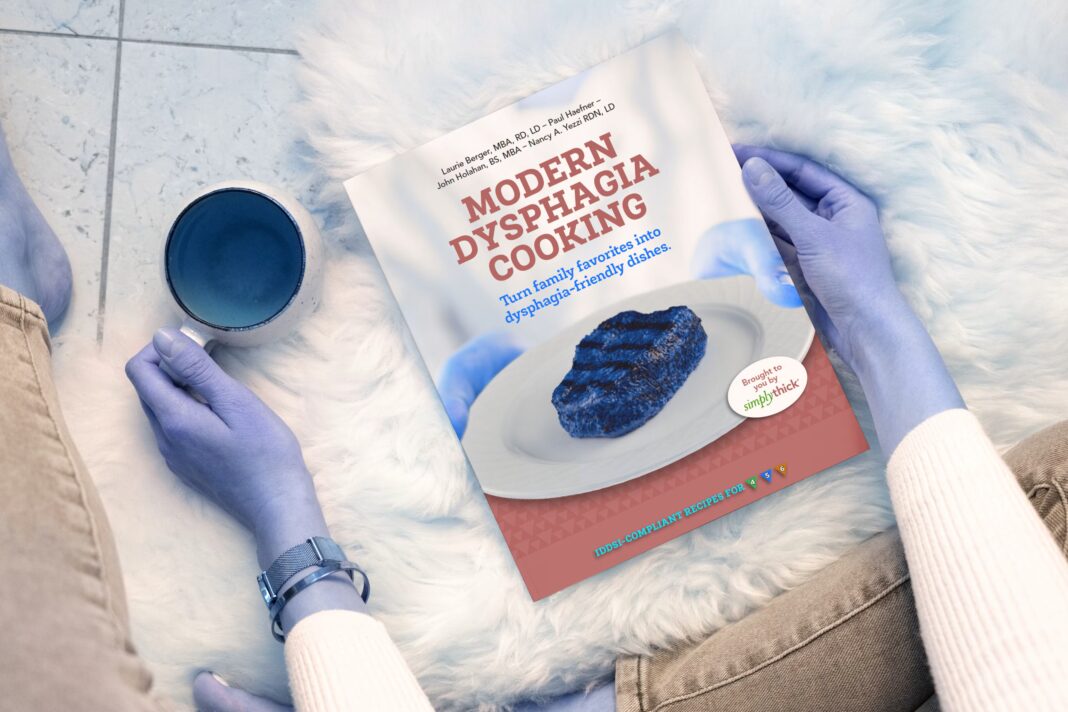

Dysphagia changes how drinks move through the mouth and throat, so thickness becomes a safety feature rather than a preference. The right thickener helps slow liquid flow, support coordination, and reduce cough risk during meals. Selection works best when it follows a clear plan: match the prescribed level, fit the person’s taste and routine, and confirm consistency every time. Practical details, like mixing steps and texture stability, matter as much as clinical goals.
Start With the Prescribed Thickness Level
Clinicians often recommend a specific thickness based on swallow assessment results and real meal performance. Simply Thick is one example of a beverage thickener used in dysphagia care, and it can help illustrate how product features affect daily use. Thickness targets should stay consistent across water, coffee, juice, and supplements, since each base liquid behaves differently. A reliable plan starts with the prescribed level, then checks that every prepared drink matches it.
Learn the Common Thickness Categories
Most care plans use clear categories that describe flow, not taste. Thin liquids move quickly and may be unsafe for some people. Slightly thick, mildly thick, and moderately thick liquids move slower and may reduce airway entry risk. Extremely thick drinks can be used when needed yet may raise hydration concerns. Each label should be tied to measurable preparation steps, not guesswork.
Decide Between Starch-Based and Gum-Based Options
Thickeners often rely on starch or gum to change flow. Starch can keep cost low, yet texture may shift over time and can break down in saliva. Gum-based options may hold a steadier texture and can work well in a wider set of beverages. A care team can suggest a type based on tolerance, diet pattern, and the need for stable viscosity during a full meal.
Check How It Performs in Hot and Cold Drinks
Temperature changes viscosity and can alter mouthfeel. Hot tea, chilled water, and blended smoothies each create different thickening behavior. Some products clump more in cold liquids, while others thicken too fast in hot drinks. Testing the same recipe across temperatures helps prevent surprises at breakfast or bedtime. A quick, repeatable method, using the same cup and stir time, improves consistency.
Watch for Changes Over Time After Mixing
Time can affect texture, especially when a drink sits on a tray or at a bedside. Certain mixtures continue thickening, while others thin out as ingredients interact. Drinks with acidity, carbonation, or protein can shift viscosity more than plain water. Planning for a realistic wait time, such as ten minutes, supports safer use. Re-checking flow before serving can prevent an unintended thickness level.
Consider Flavor, Aroma, and Mouthfeel
A thickened drink should still be pleasant enough to finish, or hydration can drop. Some thickeners mute flavor or change aroma release, which can reduce appetite. Mouthfeel also matters, since a gritty or slimy texture can cause refusal. Trialing small portions in preferred drinks, then adjusting concentration, often improves acceptance. Comfort supports adherence, which supports safety goals over weeks and months.
Review Ingredients, Allergens, and Dietary Needs
Ingredient lists can guide safe selection for allergies, intolerances, or diet restrictions. Some people need attention to carbohydrate content, while others avoid certain additives. Medication timing can also matter, since thickened fluids may interact with pill swallowing plans. A clinician or diet professional can confirm fit for diabetes management, kidney limitations, or tube-feeding transitions. Clear labeling reduces confusion during caregiver handoffs.
Focus on Mixing Steps and Training for Caregivers
A strong thickener choice still fails if preparation varies from person to person. Caregivers benefit from written ratios, the correct measuring tool, and a timed mixing routine. Small changes, like shaking versus stirring, can change final texture. Training should include what to do when lumps form and how to rescue a batch without over-thickening. Standardizing the process improves safety in homes and facilities.
Use Simple Consistency Checks Before Serving
Consistency checks help catch errors without complex tools. Flow tests, visual cues, and spoon behavior can all support safer preparation when used consistently. The same glass, the same recipe, and the same wait time reduce variability. Staff can also confirm that the drink matches the care plan label written on the order. A brief check prevents repeated mistakes across a full day of drinks.
Conclusion
Choosing a beverage thickener works best as a structured decision rather than a quick purchase. The safest option matches the prescribed thickness level, performs predictably across beverages, and stays stable over time. Practical factors, such as mixing steps, taste, and caregiver training, strongly influence real outcomes. Regular consistency checks and ongoing monitoring protect hydration and comfort. When symptoms change, reassessment keeps the plan aligned with current swallowing needs.