
Grabbing the darkest bag on the shelf is a common shortcut for anyone who wants gentler coffee, and it works… sometimes. Acidity also depends on the plant species and variety, where the coffee grew, how the cherries were processed, and what the roaster did with them.
Most of that information is available if you know where to look. People shopping for low-acid coffee beans often go by a single phrase on the front of the bag, while the details on the back or on the product page are far better at predicting how the coffee will taste and affect your well-being.
A well-documented listing is a good place to practice. The medium roast among Fabula low-acid coffee beans, for example, names Peru as its origin, lists Caturra and Catuai as the varieties, and states the roast level plainly. With those facts, you can easily compare it with other brands. The checks below will help you make a more informed choice.
Photo from Pexels.com
Check the Species First
Arabica and Robusta behave very differently. Robusta is a cheaper, lower-quality bean known for harsh bitterness, and it shows up mostly in instant coffee and budget blends. It also carries roughly twice the caffeine of Arabica, which sensitive drinkers rarely want. A bag of 100% Arabica is the starting point for a cup that’s gentle and still has real flavor.
Look for Named Varieties
Within Arabica, each variety has its own tendencies. For example, Caturra is a compact Bourbon mutation first found in Brazil, with good quality potential at higher altitudes. It often appears alongside Catuai in Latin American coffees with cocoa, nut, and caramel notes. When a roaster names the variety, it also shows they know exactly what they bought.
Read Altitude and Latitude Together
Elevation is one of the most quoted numbers on a coffee bag. Cooler temperatures at high altitude slow bean development, which gives a more balanced and pronounced flavor profile. Some high-grown coffees taste more acidic, though, so treat altitude as context next to variety, processing, and roast.
Distance from the equator complicates the picture. A farm near the equator has to be located higher to get the same cool conditions that a farm farther north or south reaches at a lower elevation.
Note the Processing Method
Washed coffees tend to taste clean and defined. Natural and honey-processed lots can carry heavier fruit and sweetness, and wet-hulled coffees from Indonesia are known for earthy, musky, low-acid profiles. Processing alone won’t guarantee a gentle cup, but it explains a lot about the tasting notes printed on the bag.
Single Origin Makes Comparison Easier
Blends can be gentle, but their makeup can shift from one batch to the next as the roaster swaps components. A single-origin coffee from a named country and region tends to taste more consistent bag after bag. That consistency helps when you’re trying to work out which coffee your stomach tolerates, because you’re testing the same beans each time.
Choose Medium to Dark Roasts, Without the Burn
Roasting breaks down chlorogenic acids, so medium and dark roasts usually taste less acidic than light ones. The aim is development, not char or burnt notes. A roast pushed too far turns smoky and bitter, which can bother a sensitive stomach as much as acidity does. Chocolate, nuts, and caramel in the tasting notes are a better sign than citrus or berries.
Roast names don’t line up from one brand to the next. One company’s medium can be darker than another’s, so read the flavor description alongside the roast level.
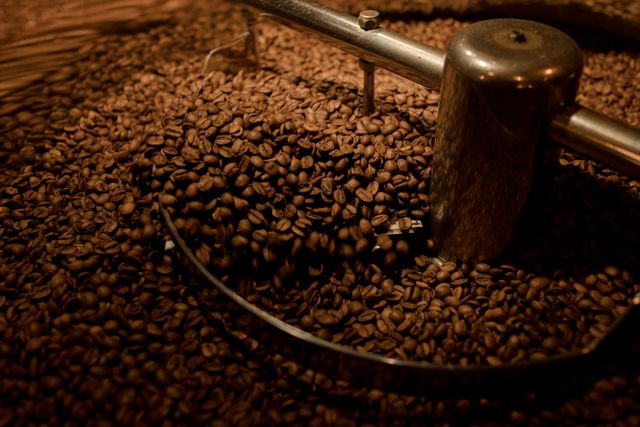
Photo from Pexels.com
Whole Beans and Testing
Whole beans hold their character longer than ground coffee because less surface is exposed to air. Grind right before brewing if your routine allows it, and keep the bag closed and away from heat and light between brews. Pre-ground coffee is fine for convenience, but buy smaller bags so you finish each one while it still tastes fresh.
Then check the testing. No official certification exists for low-acid or mold-free coffee, so the best evidence is independent lab results that are easy to find on the product page. A brand that names the compounds it screens for, such as ochratoxin A and pesticide residues, gives you a clearer picture of what you’re buying. Some brands test the pH of their beans — this can be useful, but the water you use can change the pH significantly.
Match the Beans to Your Brewing Method
The same beans can taste gentle or acidic, depending on how you brew them. Hot brews typically have higher concentrations of total titratable acids, while cold brews taste less acidic to many people. Very fine grinds and long steeping can make a cup harsh even when the beans themselves are mellow.
Cold brew often tastes softer, but its chemistry varies with the beans and the recipe, so treat it as an experiment rather than a fix. A splash of milk also softens how sharp a cup tastes, which is worth remembering if you never drink coffee black.
Run a Fair Comparison at Home
Bag details narrow the field, and your stomach makes the final call. A side-by-side test gives clearer answers than switching bags at random:
- Buy two or three bags at a similar roast level.
- Brew each one with the same grind, water, ratio, and temperature.
- Drink them at the same time of day.
- Write down bitterness, sharpness, and any discomfort over the next few hours.
- Repeat for several days before you decide.
Keep everything else steady during the test. A bigger mug, a new creamer, or a skipped breakfast on one day makes it hard to tell what caused the difference.
The best beans for you will taste good the way you drink them and leave you comfortable through the morning. Clear details on the bag shorten the search, and a careful home test settles it.