
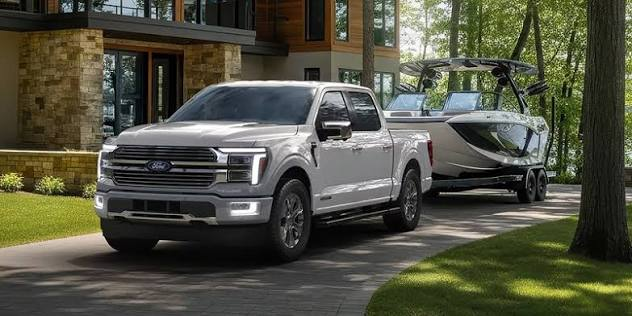
Choosing between a pickup truck and an SUV depends on how you plan to use your vehicle every day. Both offer useful features, but their designs serve different priorities. A pickup is often preferred for hauling equipment, towing trailers, and handling demanding tasks, while an SUV provides passenger comfort, enclosed cargo space, and family-friendly flexibility. Buyers comparing new Ford trucks and SUVs in Newport, NC should consider their driving habits, passenger requirements, work responsibilities, and long-term budget before making a decision. Understanding the differences can help you select a vehicle that fits your lifestyle rather than simply choosing the one with the most appealing appearance.
Understand Your Everyday Driving Requirements
Your regular driving routine is one of the best places to start. Think about where you travel, how frequently you carry passengers, and whether you need additional space for equipment or supplies. A vehicle that works well for someone who spends most of the week at job sites may not be the best option for a family that mainly drives around town.
If your daily routine involves commuting, school transportation, shopping, and weekend trips, an SUV may provide the convenience you need. Its enclosed cabin keeps passengers and belongings protected from changing weather conditions. The rear seating and cargo area can also make it easier to transport groceries, luggage, and everyday essentials.
A pickup may be more suitable if your routine includes construction work, landscaping, outdoor projects, or transporting bulky materials. Its open bed offers a practical space for items that may not fit easily inside a traditional passenger vehicle. Consider how often you perform these tasks before deciding whether a truck’s additional capability would be useful.
Consider the Passenger Space You Need
Passenger capacity and comfort can influence your decision significantly. Ford SUVs are available in different sizes and configurations, with some models offering multiple seating rows. This can make them useful for households that regularly travel with children, relatives, or friends.
Models such as the Ford Escape, Bronco Sport, and Explorer serve different passenger needs. Smaller SUVs are suitable for drivers who want a manageable vehicle for everyday travel, while larger options can provide additional seating and interior flexibility. Depending on the model, passengers may benefit from rear climate controls, adjustable seating, and convenient storage compartments.
Ford pickups also offer different cab configurations. A SuperCrew model, for example, provides a larger rear passenger area than a regular cab. This can make a pickup practical for drivers who need both a truck bed and seating for family members or coworkers.
However, passenger comfort should be evaluated in person. Check the available legroom, headroom, seat cushioning, and ease of entry. If you regularly carry passengers in the rear seats, make sure the selected vehicle offers enough space for comfortable journeys.
Compare Cargo Space and Hauling Flexibility
Cargo requirements are another important difference between pickups and SUVs. Both can carry luggage, equipment, and everyday items, but they organize storage differently.
An SUV offers an enclosed cargo compartment that is connected to the passenger cabin. This arrangement can be convenient for groceries, suitcases, shopping bags, and items that need protection from rain or direct sunlight. Many Ford SUVs also have folding rear seats, allowing drivers to increase cargo capacity when fewer passenger seats are required.
A pickup provides an open cargo bed that can accommodate larger or irregularly shaped items. Building materials, gardening equipment, bicycles, and outdoor supplies may be easier to transport in a truck. Depending on the model and configuration, available bed accessories can also help organize and secure cargo.
Think about the items you carry most often. If you regularly transport several passengers along with luggage, an SUV may offer a more convenient arrangement. If you frequently carry dirty equipment, bulky materials, or items that do not fit inside a cabin, a pickup may be the more practical choice.
Evaluate Towing and Work Capabilities
Towing requirements can make a pickup the stronger option for some buyers. Ford trucks are designed to support a range of hauling and towing needs, depending on their engine, drivetrain, cab configuration, and equipment package.
The Ford F-150 is a popular choice for drivers who need a versatile full-size pickup. The Ranger offers a midsize alternative for buyers who want truck functionality in a different size category. Both provide configurations designed for different types of use, but their towing and payload ratings are not identical.
Some Ford SUVs can also tow trailers, boats, or recreational equipment when properly equipped. Their capabilities vary by model and configuration, so buyers should review the specifications of the exact vehicle they are considering.
Before purchasing, identify the weight of the trailer or equipment you intend to tow. Check the manufacturer’s towing and payload ratings, including any relevant limits for passengers and cargo. Choosing a vehicle based on its actual specifications is more reliable than assuming every truck or SUV can handle the same load.
Think About Comfort and Driving Experience
The way a vehicle feels during everyday driving can be just as important as its capability. SUVs are generally designed around passenger comfort and convenience. Their enclosed cabins, seating arrangements, and interior storage areas make them suitable for commuting and longer family journeys.
Many Ford SUVs include available features such as touchscreen infotainment systems, smartphone connectivity, driver-assistance technology, and upgraded seating materials. The specific features depend on the model and trim level.
Pickup trucks have also become increasingly focused on comfort. Depending on the configuration, Ford trucks can offer spacious cabins, adjustable seats, modern infotainment systems, and useful driver-assistance features. Higher trim levels may include additional convenience and interior upgrades.
The driving experience can still differ because of vehicle size, ride height, suspension design, and overall dimensions. Test-driving both types can help you determine which feels more comfortable and manageable on the roads you use most frequently.
Consider Fuel Economy and Ownership Costs
Your purchase budget should include more than the vehicle’s advertised price. Fuel consumption, insurance, maintenance, tires, financing, and registration costs can all influence long-term ownership expenses.
Fuel economy varies considerably between Ford pickups and SUVs. Engine size, vehicle weight, drivetrain, model year, and driving conditions all affect efficiency. Some smaller SUVs may use less fuel than larger pickups, but this is not a universal rule. Certain truck configurations may offer different engine technologies designed to balance performance and efficiency.
Maintenance requirements can also vary depending on how you use the vehicle. A pickup that regularly carries heavy loads or tows trailers may experience different wear patterns from an SUV mainly used for commuting. Tire costs and replacement schedules can differ as well.
Compare the specifications and estimated ownership costs of the exact models you are considering. This provides a more realistic understanding of which vehicle fits your financial plans.
Match the Vehicle to Your Lifestyle
Your hobbies and weekend activities can provide additional clues about the right choice. Drivers who enjoy camping, fishing, boating, or carrying outdoor equipment may appreciate the flexibility of a pickup bed. A truck can also be useful for home improvement projects and transporting supplies.
An SUV may suit families who take road trips, visit parks, attend sporting events, or regularly travel with several passengers. Its enclosed cargo area can keep belongings organized while providing convenient access to the rear compartment.
Some buyers may find that either vehicle type can support their lifestyle. In that situation, consider which features you will use most frequently. Paying for towing capability that you rarely need may not be worthwhile, just as choosing an SUV with more seating than your household requires may not provide much additional value.
Compare Available Models and Trim Levels
Once you understand your priorities, narrow your search to a few Ford models. Compare their dimensions, passenger capacity, cargo space, engine options, safety technology, and available convenience features.
Trim levels deserve attention because two vehicles of the same model may have different equipment. One version may focus on practical everyday features, while another may include upgraded materials, larger displays, additional technology, or specialized performance equipment.
Review the specifications carefully and confirm which features are included in each individual vehicle. Online descriptions can help you create a shortlist, but a dealership visit provides an opportunity to inspect the interior, compare storage areas, and ask questions about available configurations.
Take a Test Drive Before Deciding
A test drive helps you evaluate details that specifications cannot fully explain. Drive the pickup and SUV on familiar types of roads, paying attention to steering, braking, acceleration, visibility, and parking convenience.
Check how easily you enter and exit the cabin and whether the seating position feels natural. If passenger comfort is important, bring family members along to assess the rear seating area. For a pickup, consider whether the truck bed is easy to access and whether the overall dimensions suit your parking situation.
You should also ask about financing options, warranty coverage, available incentives, and trade-in opportunities. Understanding these details can help you compare the total value of each vehicle.
Make a Choice Based on Practical Needs
Choosing between a new Ford pickup and an SUV ultimately comes down to how you expect to use your vehicle. A pickup may be the better fit when towing, hauling, and work-related capability are priorities. An SUV may be more suitable when passenger comfort, enclosed storage, and family transportation are central to your routine.
Take time to compare specific models, review their equipment, and test-drive your preferred options. When your decision reflects your everyday needs and long-term budget, you are more likely to choose a Ford vehicle that delivers the right combination of comfort, convenience, and capability.