
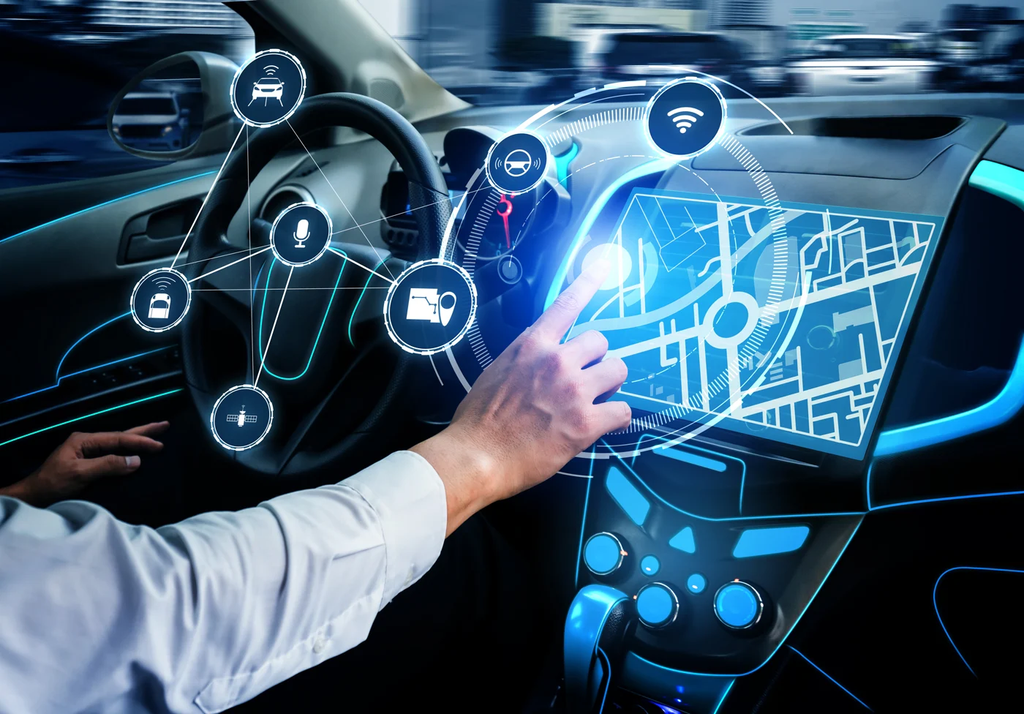
Modern vehicles offer much more than transportation from one destination to another. Advances in automotive technology have changed how drivers navigate roads, monitor vehicle performance, stay connected, and respond to potential hazards. Features that once appeared mainly in luxury vehicles are now available across many vehicle categories, making everyday driving more convenient and comfortable. From advanced safety systems to smartphone connectivity and improved engine efficiency, these innovations can make a noticeable difference during daily commutes, family trips, and longer journeys. Exploring the options at car dealerships Monmouth IL can help shoppers understand which technologies are available and determine which features best match their driving needs.
Advanced Driver Assistance Systems Improve Awareness
One of the most important developments in modern vehicles is the introduction of advanced driver assistance systems. These technologies use cameras, radar, and other sensors to monitor the vehicle’s surroundings and provide helpful alerts or limited driving assistance.
Forward collision warning can alert drivers when they approach another vehicle too quickly. Automatic emergency braking may apply the brakes when the system detects an imminent collision. These features can provide additional support in situations where a driver may not react quickly enough.
Other systems focus on maintaining awareness of surrounding traffic. Blind-spot monitoring can alert drivers when another vehicle is traveling in an area that may be difficult to see. Lane departure warnings can notify drivers when the vehicle begins moving outside its lane without an apparent signal.
These technologies do not replace attentive driving, but they can offer another layer of assistance during everyday travel.
Parking Technology Makes Maneuvering Easier
Parking can be challenging in crowded shopping areas, narrow driveways, and busy parking lots. Modern parking technologies help drivers understand the space around their vehicles and make low-speed maneuvering more manageable.
Rearview cameras display the area behind a vehicle when reversing. Parking sensors provide audible or visual warnings when the vehicle approaches nearby objects. Some models also offer surround-view camera systems that combine images from multiple cameras to create a broader view of the vehicle’s surroundings.
Automatic parking assistance is available on certain vehicles and can help with specific parking maneuvers. Depending on the system, the technology may assist with steering while the driver remains responsible for monitoring the surroundings and following instructions.
These features can be particularly useful for drivers who operate larger SUVs or pickup trucks in limited spaces. However, cameras and sensors have limitations, so checking mirrors and looking around the vehicle remain important.
Smartphone Connectivity Keeps Drivers Connected
Smartphone integration has become an important part of the modern driving experience. Compatible infotainment systems allow drivers to connect their phones and access selected applications through the vehicle’s display or voice controls.
Apple CarPlay and Android Auto can provide access to navigation, music, calls, and compatible messaging functions. This integration reduces the need to handle a phone while driving and allows drivers to use familiar applications through a vehicle interface.
Bluetooth connectivity offers another convenient way to connect devices. Drivers can make hands-free calls or stream audio through the vehicle’s sound system, depending on compatibility.
Voice commands can make certain tasks easier by allowing drivers to request directions, select music, or place calls without manually navigating multiple menus. These tools should still be used responsibly, since even hands-free interactions can distract from driving.
Navigation Systems Help Drivers Plan Better Routes
Built-in navigation technology can simplify travel by providing turn-by-turn directions and displaying nearby destinations. Depending on the system, drivers may also receive traffic updates, estimated arrival times, and alternative route suggestions.
Real-time traffic information can help drivers recognize congestion before reaching a busy section of road. When an alternative route is available, navigation systems may suggest a different path to help avoid delays.
Some vehicles also integrate navigation with other information systems. Drivers may be able to locate fuel stations, parking areas, restaurants, or charging stations for electric vehicles.
Smartphone navigation applications offer similar benefits when connected to a compatible infotainment system. Whether using built-in navigation or a connected phone, drivers should set their destinations before starting a trip and avoid making adjustments while the vehicle is moving.
Digital Displays Make Vehicle Information Easier to Understand
Traditional instrument panels have evolved into digital displays that can present important driving information in customizable formats. Depending on the vehicle, these displays may show speed, fuel level, engine information, navigation directions, and driver-assistance alerts.
A well-organized display can make it easier to identify important information without searching through multiple gauges. Some models offer different display layouts, allowing drivers to prioritize the information they use most frequently.
Head-up displays are another available feature on certain vehicles. They project selected information, such as speed or navigation instructions, into the driver’s forward field of view. This can reduce the need to look down at the instrument panel repeatedly.
When comparing vehicles, examine how easy the displays are to read and whether the controls feel intuitive. Technology is most useful when drivers can understand it quickly without unnecessary distraction.
Engine and Powertrain Technology Supports Efficiency
Modern powertrain technology helps vehicles balance performance and fuel consumption. Improvements in engine design, transmission operation, and electronic controls allow manufacturers to develop vehicles that respond to different driving demands.
Turbocharged engines can provide useful power from relatively small engine designs. Hybrid systems combine an internal combustion engine with an electric motor to improve efficiency in certain driving conditions. Plug-in hybrids add the ability to recharge a larger battery externally, allowing some trips to be completed using electric power.
Fully electric vehicles use battery-powered motors instead of traditional gasoline engines. They offer quiet operation and immediate torque delivery, while requiring drivers to consider charging access and driving range.
The best powertrain depends on personal habits. Commuters with predictable daily routes may appreciate hybrid or electric options, while drivers who regularly travel long distances or tow equipment may prioritize other capabilities.
Climate Control and Comfort Technology Improve Daily Travel
Interior technology can make everyday journeys more comfortable, particularly when temperatures change throughout the year. Automatic climate control systems can maintain a selected cabin temperature by adjusting heating and cooling functions.
Dual-zone climate control allows the driver and front passenger to choose different temperature settings in compatible vehicles. Some models also provide rear air vents or separate rear climate controls to help passengers remain comfortable.
Heated seats, ventilated seats, heated steering wheels, and remote start are additional features available on certain models and trim levels. These options can be useful during cold mornings or hot summer afternoons.
Cabin technology also includes practical conveniences such as wireless charging, multiple USB connections, adjustable ambient lighting, and memory seating. When evaluating these features, consider which ones will genuinely improve regular driving rather than choosing equipment based only on its appearance.
Vehicle Monitoring Helps Owners Stay Informed
Modern vehicles use electronic monitoring systems to track important operating conditions. Dashboard alerts can notify drivers about low tire pressure, engine problems, maintenance requirements, and other issues that may need attention.
Tire pressure monitoring systems are especially useful because properly inflated tires support handling, braking, and fuel efficiency. Maintenance reminders can also help owners keep up with routine service schedules.
Some connected vehicles offer mobile applications that display information such as fuel level, vehicle location, maintenance status, or battery charge. Depending on the model and available services, owners may also receive alerts when certain vehicle conditions require attention.
These tools make it easier to stay informed between service visits. However, warning lights and unusual vehicle behavior should never be ignored simply because no additional alert appears on a mobile application.
Over-the-Air Updates Help Maintain Vehicle Software
Many modern vehicles rely on software to operate infotainment systems, connectivity features, and certain vehicle functions. Some manufacturers provide over-the-air updates that allow compatible systems to receive software improvements without requiring a traditional dealership visit for every update.
Depending on the vehicle, updates may improve interface performance, address software issues, or introduce changes to connected features. Availability varies by manufacturer, model, equipment, and service requirements.
Owners should review update notifications and follow the manufacturer’s instructions. Some updates require a stable internet connection, sufficient battery charge, or specific vehicle conditions before installation.
It is also important to understand that software updates do not replace mechanical maintenance. Tires, brakes, fluids, and other physical components still require regular inspection and service.
Learn How to Use Technology Responsibly
Although modern automotive technology offers many benefits, drivers need to understand how each system works. Safety features may have limitations involving weather, road markings, visibility, sensor obstruction, or unusual traffic conditions.
Read the owner’s manual to understand the purpose and operation of available features. During a test drive, ask questions about unfamiliar controls and practice using basic functions while the vehicle is safely parked.
Avoid relying on driver-assistance systems as substitutes for steering, braking, observation, or judgment. Drivers remain responsible for monitoring the road and responding to changing conditions.
Conclusion
Modern car technology improves everyday driving through better safety assistance, easier parking, smartphone connectivity, navigation, efficient powertrains, and more comfortable interiors. Digital displays and vehicle monitoring systems also help drivers understand their vehicles and stay informed about maintenance needs. However, the value of these innovations depends on selecting features that support actual driving habits and learning how to use them correctly. By comparing available technologies and evaluating their practical benefits, shoppers can choose a vehicle that makes daily travel more convenient, informed, and comfortable.