
Managing climate variables is crucial for reliable crop production, and greenhouses have become a popular solution for farmers to enhance their yields while mitigating risks posed by unpredictable weather.
These structures provide an environment that can be tailored to suit various crop needs, allowing year-round growth and significantly improving production efficiency. Understanding how greenhouses create optimum conditions can shed light on their growing importance in modern agriculture.
Regulation of Temperature
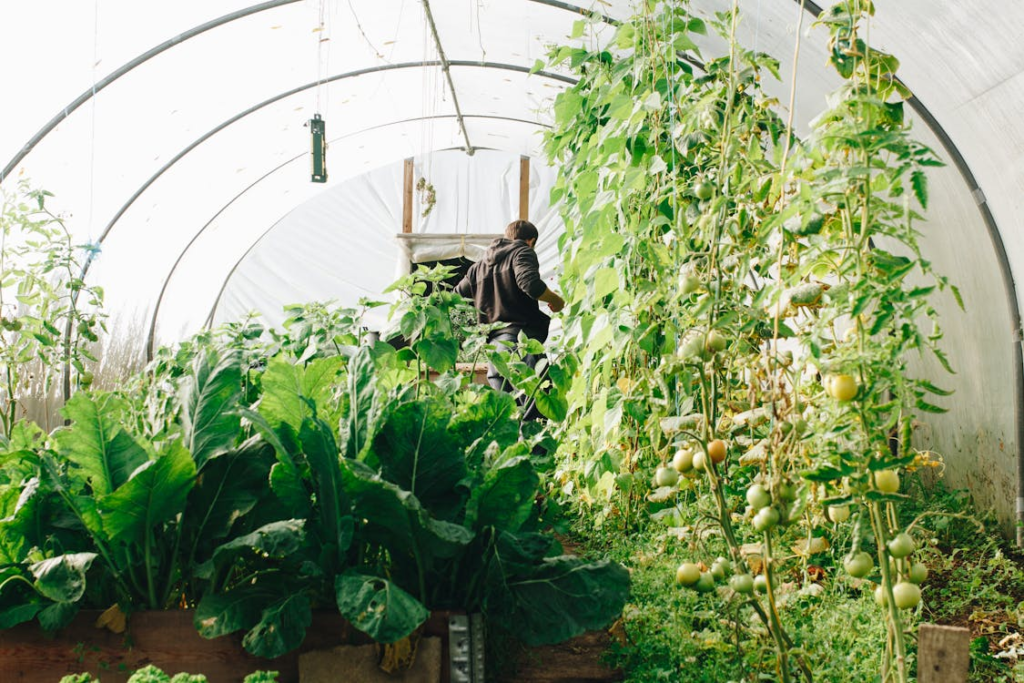
Temperature regulation is one of the primary advantages of greenhouse environments. Inside these structures, it is possible to maintain temperatures that are conducive for crops, regardless of outside weather conditions. For instance, during winter months, greenhouses trap heat from sunlight, fostering a warmer climate that helps seedlings thrive when the outdoor temperatures dip. The importance of appropriate temperature management goes beyond simple survival; it influences growth rates, flowering, and overall crop health.
Crops like tomatoes and peppers require specific temperature ranges for optimal growth, often between 70°F to 85°F during the day and slightly cooler at night. Utilizing techniques such as reflective materials can further enhance heat management. Growing practices today include
using mobile greenhouse structures that can be repositioned based on the sun’s angle and weather patterns, making environmental control an even more customized process for specific crops. These movable systems allow growers to adapt quickly to seasonal changes and protect crops from extreme weather.
Farmer energy costs can be minimized while preserving healthy plant development by maximizing ventilation and light exposure. This level of precision is especially beneficial in regions with unpredictable climates or limited growing seasons.
Humidity Control and Irrigation
Humidity levels play an equal role in the health of greenhouse crops. Excessive humidity can lead to mold and mildew, while low humidity can impede proper plant growth. Greenhouses provide tools to manage moisture levels consistently, supporting the growth of healthier plants. Irrigation systems, often paired with humidity management technologies, work efficiently within a greenhouse environment.
Automated drip irrigation, for example, can deliver precise water amounts directly to the roots, minimizing waste while maintaining necessary humidity levels in the atmosphere. Through the use of moisture sensors, farmers may optimize plant health and resource utilization by modifying watering schedules in real-time.
Protection from Pests and Diseases
Greenhouses act as a barrier against pests and diseases that plague outdoor crops. Controlled environments limit plant exposure to harmful insects, reducing the need for chemical pesticides. This pest management strategy results in healthier crops and produces cleaner food for consumers.
Inside greenhouses, it’s easier to implement integrated pest management (IPM) programs that utilize biological control methods. Beneficial insects can be introduced to combat harmful pests without affecting crop safety. Utilizing these contemporary methods ensures sustainable agriculture practices by making crop management simpler and significantly more efficient.
Light Quality and Duration
Light is another critical factor within greenhouse environments. Some crops require specific light wavelengths for optimum photosynthesis, impacting their growth patterns. Greenhouses can be designed with materials that filter UV light or use supplemental lighting when natural sunlight is limited.
Employing LED grow lights has become popular among producers, allowing for tailored light spectrums that can enhance growth during shorter daylight hours. This ability to manipulate light exposure makes it possible to grow a diverse array of crops throughout the year. With the right setup, even traditionally seasonal crops can enjoy stable growth conditions at different times of the year.
Environment Management Technologies
Advancements in technology are enhancing how greenhouses operate, creating smarter systems that integrate various climate control methods. Automated systems that monitor and adjust temperature, humidity, light, and soil moisture are becoming more common.
Sensors can provide real-time data to farmers, which allows for accurate responses to changing conditions. Integration of IoT (Internet of Things) technology is reshaping the possibility of remote monitoring and management. Farmers can oversee multiple greenhouses and adjust settings via mobile apps, making climate control more manageable even during busy seasons.
The Economic Impact of Greenhouses on Agriculture
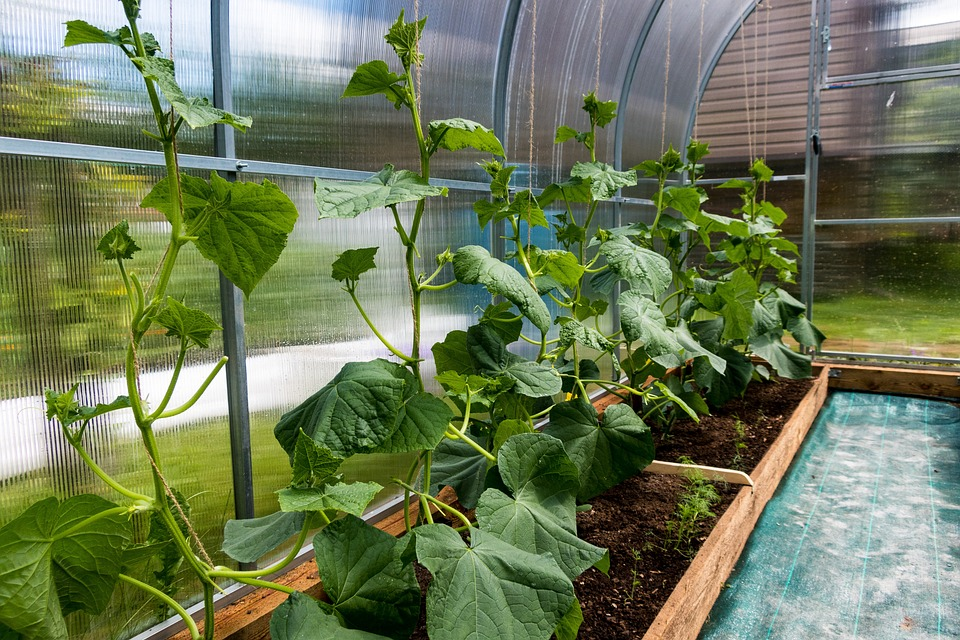
Investing in greenhouse structures represents a significant commitment but can lead to remarkable returns. Higher crop yields, improved quality, and extended growing seasons often balance initial costs. Greenhouses have the potential to increase productivity by up to tenfold, especially for high-value crops like fruits and vegetables, generating profits that can justify the investment.
Greenhouses contribute to local economies by creating jobs and encouraging innovation in agricultural practices. Young farmers are drawn to greenhouse farming because of its adaptability and potential for profit in urban areas with limited space. It helps communities provide fresh produce locally, reducing the reliance on imported goods while improving overall food security.
Farming efficiency will continually evolve due to greenhouse technology, setting the stage for greater sustainability in agriculture. Understanding these factors reinforces the need for continued research and investment in greenhouse technologies to ensure reliable food production.