
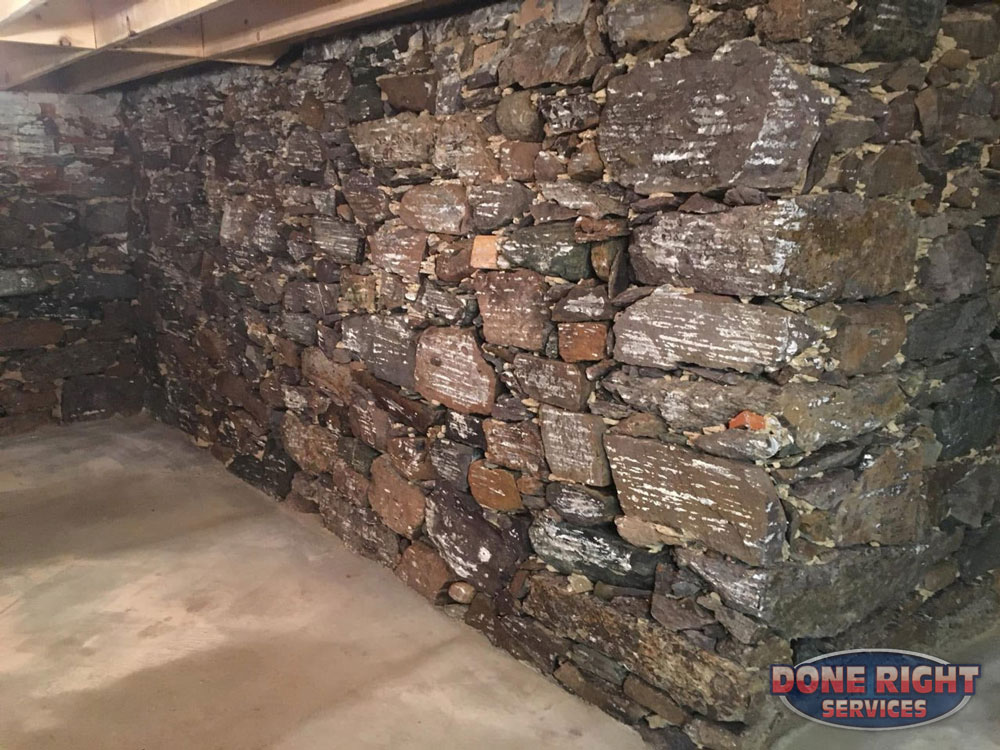
Stone foundations are common in older homes throughout New England, particularly in properties built before the widespread use of poured concrete. While these foundations can be remarkably durable, decades of exposure to moisture, soil pressure, and freeze-thaw cycles eventually take a toll. The challenge for many homeowners is knowing the difference between normal aging and genuine structural failure. This guide breaks down the warning signs that indicate a stone foundation has gone from merely old to genuinely bad, and what to do once you spot them.
Why Stone Foundations Deteriorate Over Time
Stone foundations were typically built using fieldstone, granite, or rubble, often held together with lime-based mortar rather than the reinforced concrete used in modern construction. This method served homes well for generations, but it wasn’t designed with the same structural standards used today.
Several factors contribute to gradual deterioration:
- Constant exposure to groundwater and moisture
- Freeze-thaw cycles that expand and contract mortar joints
- Soil pressure pushing against foundation walls over time
- Lack of modern waterproofing or drainage systems
- Natural settling of the home over many decades
Because these foundations rely heavily on gravity and friction to stay intact, even small amounts of movement or moisture intrusion can compound into larger structural problems if left unaddressed.
Visible Cracks and Gaps
One of the most obvious signs of a failing stone foundation is visible cracking, but not all cracks mean the same thing. Learning to distinguish between minor cosmetic issues and serious structural damage is an important first step.
Hairline Cracks in Mortar
Small hairline cracks in the mortar joints are common in older stone foundations and aren’t necessarily cause for alarm on their own. These often develop slowly over decades due to normal settling.
Wide or Growing Cracks
Cracks that are wide, growing over time, or running diagonally across multiple stones are a different story. These often indicate active movement in the foundation and should be evaluated by a professional.
Gaps Between Stones
When mortar has eroded significantly, gaps may form between individual stones. In severe cases, you might even see daylight coming through the foundation wall, which is a clear sign that the structural integrity has been compromised.
Bowing or Leaning Walls
A foundation wall that bows or leans inward is one of the more serious warning signs a homeowner can encounter. This typically happens when soil pressure from outside the home pushes against a weakened wall that no longer has the strength to resist it.
Signs of bowing include:
- Visible curvature in the foundation wall when viewed from inside a basement
- Horizontal cracking that often accompanies bowing
- Stones that appear pushed inward compared to the rest of the wall
- A wall that feels unstable or looks visibly out of alignment
Bowing walls tend to worsen over time and rarely correct themselves. Left unaddressed, they can eventually lead to partial wall failure, making this one of the more urgent issues to have inspected.
Water Infiltration and Moisture Problems
Stone foundations are naturally more porous than poured concrete, which makes water intrusion one of the most common issues homeowners face. Some moisture is expected in older basements, but persistent or worsening water problems often point to a deeper structural issue.
Watch for:
- Damp or wet patches on foundation walls
- Efflorescence, the white chalky residue left behind by mineral deposits
- Musty odors that persist even after cleaning
- Visible mold or mildew growth
- Standing water after rainstorms
Water infiltration doesn’t just cause cosmetic damage. Over time, it erodes mortar joints, weakens stones, and accelerates the overall deterioration of the foundation.
Uneven or Sloping Floors
When a stone foundation begins to settle unevenly, the effects are often felt throughout the entire home, not just in the basement. Floors that slope or feel uneven when walking across them can indicate that sections of the foundation are settling at different rates.
Other related signs include:
- Doors that stick or no longer latch properly
- Windows that are difficult to open or close
- Visible gaps between walls and ceilings
- Cracks in drywall or plaster on upper floors
While some settling is normal in older homes, sudden or accelerating changes to floor levelness usually warrant a closer look at the foundation itself.
Crumbling Mortar and Deteriorating Stones
Mortar is essentially the glue holding a stone foundation together, and when it starts to fail, the entire structure becomes more vulnerable. Homeowners should periodically check for the following signs of deterioration:
- Mortar that crumbles or flakes away when touched
- Powdery residue collecting near the base of foundation walls
- Stones that feel loose or move slightly when pressed
- Sections where mortar has completely eroded away
Once mortar begins failing extensively, the individual stones lose the support that keeps them locked in place, which can lead to more serious structural movement over time.
Musty Smells and Poor Air Quality
Basements with stone foundations often have a distinct earthy smell, but a persistent musty odor that worsens over time can indicate ongoing moisture problems within the foundation itself. This is frequently tied to mold growth, which thrives in damp, poorly ventilated spaces.
Poor air quality in a basement isn’t just an inconvenience. It can be a signal that water is finding its way into the home through cracks, gaps, or porous stone, and that the foundation’s ability to keep moisture out has been compromised.
When to Call a Professional
Not every issue requires immediate action, but certain warning signs should prompt a call to a foundation specialist. Homeowners in older homes should strongly consider a professional evaluation if they notice any of the following:
- Cracks wider than a quarter inch or actively growing
- Visible bowing or leaning in any foundation wall
- Persistent water infiltration despite previous repair attempts
- Multiple areas of crumbling or missing mortar
- Sloping floors or structural shifts noticeable elsewhere in the home
- Stones that are visibly loose or displaced
Homeowners searching for stone foundation repair in Andover, MA, often reach out after noticing a combination of these signs rather than just one isolated issue. A trained eye can usually tell the difference between cosmetic wear and genuine structural risk far more reliably than a homeowner inspecting on their own.
What Happens During a Professional Inspection
If you suspect your stone foundation may be failing, a professional inspection is the best way to get a clear picture of what’s actually happening. Here’s generally what to expect:
- A visual assessment of both the interior and exterior foundation walls
- Measurement of any cracks, bowing, or displacement
- Evaluation of moisture levels and drainage conditions around the home
- Assessment of mortar condition throughout the foundation
- A recommendation for repair, reinforcement, or, in more severe cases, full replacement
This kind of evaluation helps homeowners avoid both extremes, either ignoring a serious problem or spending money on unnecessary repairs for something that’s simply cosmetic aging.
Repair Options for a Failing Stone Foundation
Depending on the severity of the damage, several repair methods may be available before a full foundation replacement becomes necessary:
- Repointing: Removing and replacing deteriorated mortar to restore structural integrity between stones
- Wall anchors: Installing steel anchors to stabilize bowing or leaning walls
- Carbon fiber reinforcement: Applying strips to reinforce walls showing early signs of cracking or bowing
- Waterproofing and drainage improvements: Addressing the root cause of moisture-related deterioration
- Underpinning: Adding additional support beneath the foundation to address settling issues
In many cases, catching problems early allows for these less invasive repairs, which can significantly extend the life of a stone foundation and delay or even eliminate the need for full replacement.
Frequently Asked Questions
How do I know if foundation cracks are serious?
Cracks wider than a quarter inch, cracks that are actively growing, or diagonal cracks running through multiple stones are generally more concerning than small hairline cracks and should be evaluated by a professional.
Is it normal for a stone foundation to have some cracking?
Yes, minor hairline cracking is common in older stone foundations due to natural settling over many decades. The key is monitoring whether cracks are stable or actively worsening.
Can a bowing foundation wall be fixed without full replacement?
In many cases, yes. Wall anchors and carbon fiber reinforcement can often stabilize bowing walls if the damage is caught before it becomes severe.
What causes water to leak through a stone foundation?
Stone and mortar are naturally porous, and over time, deteriorating mortar joints, poor drainage, and hydrostatic pressure from surrounding soil can all contribute to water infiltration.
How often should I inspect my stone foundation?
A visual check once or twice a year, especially after heavy rain or winter freeze-thaw cycles, can help catch problems early. A professional inspection every few years is also a good practice for older homes.
Does a musty basement smell always mean foundation damage?
Not always, but a persistent musty odor is often linked to moisture problems that can affect the foundation over time, so it’s worth investigating rather than ignoring.
When should I consider full foundation replacement instead of repair?
If a foundation shows widespread bowing, extensive mortar failure, or repeated water problems despite previous repairs, a professional may recommend replacement rather than continued patchwork fixes.
Final Thoughts
A stone foundation doesn’t fail overnight. It’s usually a gradual process marked by small warning signs that build over time, from hairline cracks to bowing walls to persistent moisture issues. The key for homeowners is learning to recognize these signs early and acting before minor problems become major structural concerns. Regular inspections, prompt attention to visible damage, and working with an experienced professional can make the difference between a manageable repair and a costly full replacement down the road. If you’re noticing any combination of the warning signs covered here, it’s worth having your foundation evaluated sooner rather than later.