
An overbite changes how upper and lower teeth meet. The difference can come from tooth position or jaw growth. Braces address this relationship through small, planned movements. If you want to learn if you need braces for an overbite, an orthodontic assessment provides useful answers. The examination considers tooth angles, spacing, jaw position, and facial growth. Each detail helps determine the movement required for correction. Treatment then follows a gradual path, with adjustments made as alignment develops.
Braces guide teeth through measured pressure
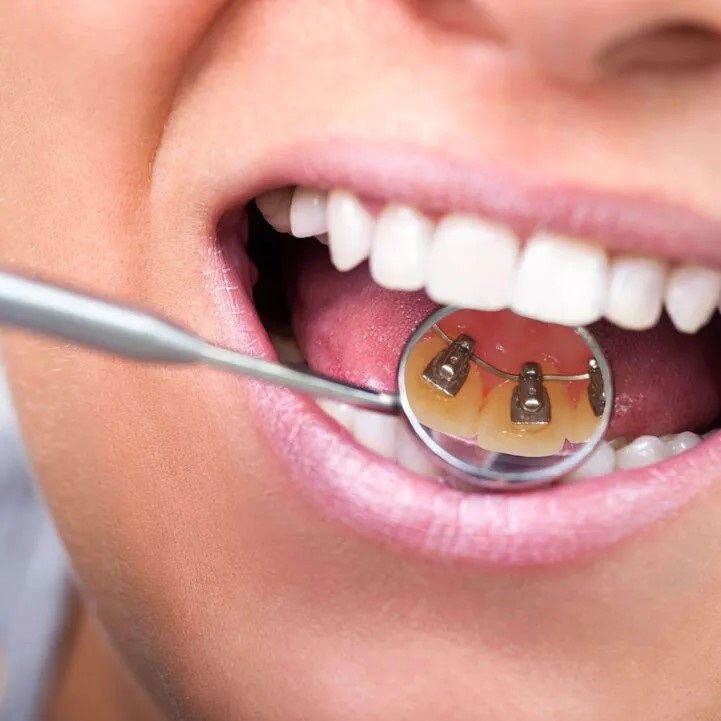
Braces begin correction by guiding individual teeth gradually. Each bracket holds a tooth against an archwire. The wire creates gentle pressure across selected areas. That pressure encourages bone around tooth roots to remodel. As this process continues, teeth gain room to change position.
Movement remains controlled throughout the treatment period. An orthodontist changes wires as alignment develops. Different wires provide different levels of guidance. Small adjustments also limit unnecessary strain around tooth roots.
Several factors can affect tooth movement:
- Root angles influence the movement direction.
- Bone density affects how teeth respond.
- Wire shape controls the applied pressure.
- Tooth spacing creates room for adjustment.
This approach keeps each change measured and purposeful.
Overbite correction changes the biting relationship
Straightening teeth alone may not correct an overbite. The upper arch must meet the lower arch correctly. For that reason, orthodontic planning examines vertical and front-to-back relationships. A deep bite can cause upper teeth to cover lower teeth excessively.
In certain cases, front teeth may contact gum tissue. Other cases involve uneven contact during chewing. Crowding can also make cleaning harder around overlapping areas. Correcting the bite changes how those surfaces meet.
The orthodontist considers several connected factors:
- Front teeth may need vertical adjustment.
- Back teeth can require positional changes.
- Crowded areas may need additional space.
- Arch shape can influence final contact.
Each movement supports a more balanced biting pattern.
Why do elastics become part of treatment?
Once braces start shifting teeth, elastics can add another force direction. Their placement connects upper and lower teeth in specific ways. This helps influence how both arches relate during correction. The exact arrangement depends on the existing bite pattern.
If you want to learn if you need braces for an overbite, elastics also show why treatment can involve more than brackets. A patient may notice pressure between opposing teeth. That sensation reflects active guidance across the dental arches.
Elastics can serve different purposes during correction:
- Some guide front-to-back relationships.
- Others help improve vertical contact.
- Certain patterns support bite settling.
- Consistent wear supports planned movement.
The orthodontist can change the setup as correction progresses.
Jaw growth can influence the treatment path
Tooth position represents only part of an overbite. Jaw development can also shape the relationship between arches. Younger patients may continue facial growth during treatment. That growth can influence how orthodontic forces are planned.
Adults require different considerations because jaw growth has ended. Braces mainly reposition teeth in existing bone. Significant skeletal differences may require additional treatment approaches.
Age therefore matters during treatment planning. Jaw direction matters as well. An orthodontist considers both factors before selecting suitable mechanics.
What helps teeth stay corrected?
Active movement ends when teeth reach planned positions. However, surrounding tissues still need time to adapt. Retainers help maintain alignment created through orthodontic treatment. Without retention, gradual tooth movement can occur again.
The retention stage may involve several options:
- Removable retainers can support daily stability.
- Fixed retainers can hold selected teeth.
- Follow-up visits can monitor bite changes.
- Good hygiene protects aligned surfaces.
Retainer use depends on individual treatment needs. The orthodontist provides instructions based on the finished bite.
Small movements can create lasting bite changes
An overbite does not change through one major adjustment. Correction develops through a sequence of smaller movements. One wire may change tooth angulation. An elastic can then influence relationships between opposing arches. Later adjustments refine contact across the bite.
This gradual process gives supporting bone time to respond. It also lets the orthodontist monitor each stage carefully. The result depends on coordination between several moving parts.
A simple hinge provides a useful comparison. Small changes near its pivot can alter positioning. Braces follow a similar principle through controlled pressure. Each adjustment contributes to the final relationship between both arches.
FAQs
Can braces fix a deep overbite?
Braces can correct overbites caused mainly by tooth positioning. Significant jaw differences may need additional treatment after careful assessment.
Do overbite elastics move the jaw?
Elastics mainly influence tooth relationships and bite positioning. Their effect depends on placement, force, growth stage, and anatomy.
Does overbite treatment hurt?
Mild pressure or tenderness can occur after adjustments. Such sensations often settle as teeth adapt to new forces.
Why are retainers needed afterward?
Teeth can shift after active orthodontic movement finishes. Retainers help preserve corrected positions while surrounding tissues adapt.