
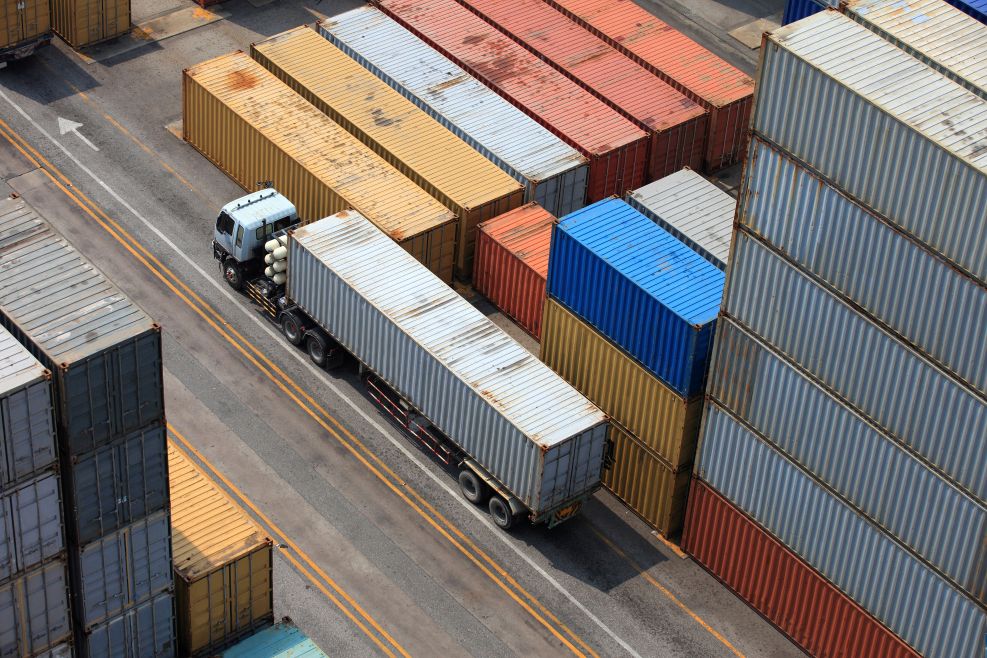
The transport of a load with a full trailer is not the same as transporting a domestic load. Once you cross the foreign soil, rules, regulations, documentation, and capacities take on a new face.
Full truckload shipping means that the cargo owner exclusively uses the trailer and gets end-to-end transport with no transfers. Companies specializing in full truckload shipping know how to manage the border crossing.
The U.S. Bureau of Transportation Statistics reported that trucks moved over $104 billion in North American transborder freight in June 2026 alone, a 23% jump from the year before, with Laredo, El Paso, and Detroit anchoring the busiest crossings. Volume growth at that pace tends to outrun border infrastructure, which is exactly when transit times across the border start to slip.
Paperwork Decides the Timeline
Most delays begin with documents. Invoices, packing lists, and bills of lading must match line for line. Even small differences in product description, quantity, or declared value can stop the truck.
Mexico’s 2026 customs updates require electronic value declarations. Canada demands an Advance Commercial Information filing at least one hour before arrival. Pre-clearance programs only work when every field is correct and submitted early.
Driver and Capacity Pressures
Mexico lanes face tighter driver pools. Stronger enforcement of visa and language rules has pulled many Mexican drivers out of cross-border work. Carriers get selective, rejection rates rise, and northbound rates climb.
Canada is governed by its own laws pertaining to cabotage and hours of service. Drivers should abide by the laws of the country in which they are operating. Violation will result in equipment being sidelined.
Crossing Methods Matter
Two common approaches exist for cross-border full truckload shipping. Through-trailer keeps the sealed unit intact and only swaps the tractor and driver. Transload moves the freight into a new trailer so each carrier stays inside its authority. Both require brokers on each side of the border and careful timing at the port of entry.
Specialized trailers-reefers, flatbeds, high-security units-need extra lead time. The right combination of equipment, credentials, and broker capacity is harder to lock in on short notice.
Practical Moves That Reduce Risk
Confirm the broker is ready before the truck is dispatched. Align every document required for full truckload shipping across the border. Build extra hours into the schedule for border queues. Ask for status updates once the load reaches the staging area. When volume spikes on full truckload shipping lanes, these steps separate loads that clear quickly from loads that sit.
The Working Difference
Cross-border full truckload shipping is not domestic freight with an added stop. Documentation, driver rules, and infrastructure limits all interact. Growing truck volumes continue to strain the busiest ports. Shippers who plan for the border as a process keep freight moving while others wait.