
Image by rawpixel.com on Magnific
A look at how mobile technology is reshaping daily transactions, local businesses, and consumer habits across Westchester County.
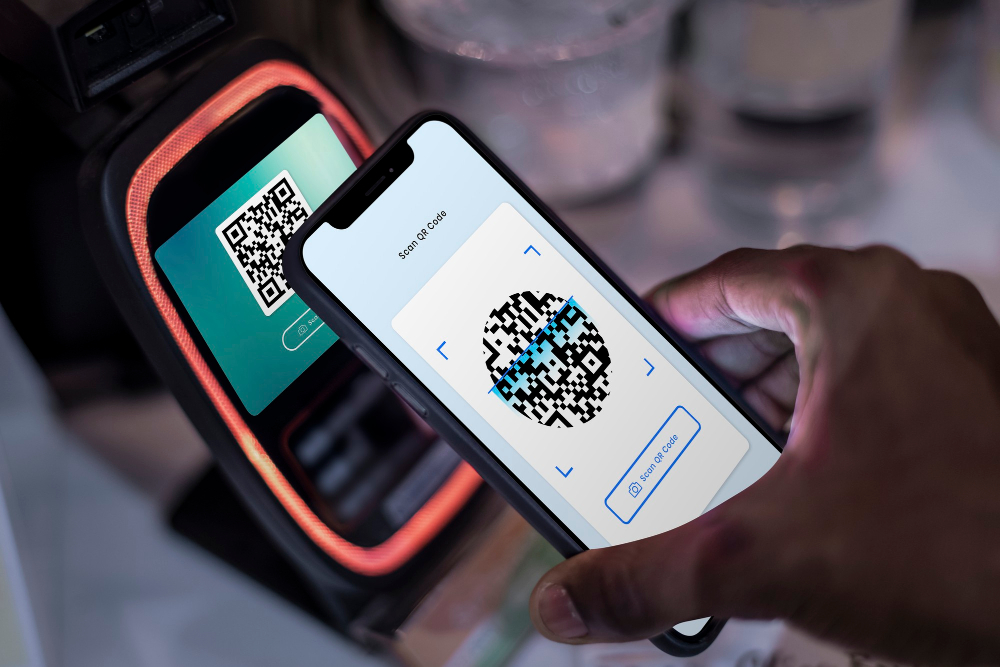
The way people pay for everyday purchases is changing across Yonkers and the wider Westchester County area. From neighborhood restaurants to online entertainment platforms, digital wallets have become an increasingly familiar part of daily life. Services such as Apple Pay and Google Wallet allow customers to complete transactions using their smartphones instead of physical cards or cash.
For businesses, these technologies offer opportunities to simplify checkout. For consumers, they introduce greater convenience alongside new questions about security, privacy and responsible spending.
Why More Consumers Are Choosing Digital Wallets
Convenience is one of the biggest reasons digital payments have become popular. Instead of carrying several cards, customers can store eligible payment methods on their smartphones and use them at participating businesses.
Contactless transactions can also reduce the time spent at checkout, particularly during busy periods. For Yonkers residents, this technology can be useful when shopping, ordering food or paying for transportation.
Digital wallets are also becoming common across entertainment services, where users expect fast and straightforward transactions.
Online Entertainment Is Part of the Trend
The influence of digital wallets extends beyond traditional shopping. Streaming subscriptions, mobile games and digital content platforms increasingly support alternative payment methods.
Online gambling services have also explored these technologies. Readers interested in how Apple Pay is discussed within that industry can see the full rundown of payment options and practical considerations.
Local Businesses Are Adapting to New Expectations
Small businesses face growing pressure to offer convenient payment options. Customers who regularly use contactless payments at larger retailers may expect the same experience at neighborhood establishments.
Restaurants, independent shops and service providers can benefit from payment terminals that support multiple methods. These systems may also simplify transaction records and reduce some of the administrative work associated with handling cash.
However, adopting new payment technology involves costs. Businesses must consider processing fees, equipment compatibility and staff training before choosing a solution. For smaller establishments, finding the right balance between convenience and affordability is particularly important.
Security Remains a Major Consumer Concern
Digital wallets often use technologies designed to protect sensitive payment information. Apple Pay, for example, uses device-specific payment credentials rather than sharing a customer’s actual card number with merchants during eligible transactions. Authentication through Face ID, Touch ID or a device passcode adds another layer of protection.
Nevertheless, no payment technology can eliminate every risk. Fraudulent websites, deceptive messages and unauthorized transactions remain concerns for consumers.
The Consumer Financial Protection Bureau provides information about recognizing financial fraud and protecting personal information. Users should also keep their devices updated and avoid sharing account credentials with unfamiliar individuals or websites.
The Importance of Understanding Payment Terms
Fast payments can make online purchases feel effortless. However, customers should always understand the conditions attached to a transaction. Subscription services may renew automatically, while some digital platforms charge additional processing or cancellation fees. Refund policies can also vary considerably. A payment that takes seconds to complete may require several days to reverse.
Before making a purchase, consumers should review the total price, renewal conditions and available customer support options. These precautions are especially important when using unfamiliar websites.
Digital Payments and Financial Awareness
The convenience of mobile payments can sometimes make spending less noticeable. Small purchases may seem insignificant individually but can accumulate over time. Streaming subscriptions, mobile applications and in-game purchases are common examples.
Checking transaction histories and enabling banking notifications can help consumers understand their spending habits. Setting monthly budgets for optional entertainment expenses is another practical approach.
For additional guidance on financial education and consumer protection, the Federal Trade Commission offers resources covering online shopping, scams and everyday financial decisions. The goal is not to avoid digital payments, but to use them with greater awareness.
What Digital Wallets Mean for Older Residents
Although mobile payments are becoming increasingly common, not everyone feels comfortable using them. Some older residents may prefer cash or traditional bank cards because those methods are familiar.
Businesses should consider these preferences when introducing new technology. Offering several payment options can help ensure that customers are not excluded simply because they do not use a smartphone.
Clear instructions and accessible customer service can also make digital systems easier to understand. Technology works best when it accommodates different levels of experience.
The Future of Payments in Westchester County
Digital payment technology will likely continue influencing how local businesses operate. Contactless checkout, mobile ordering and integrated loyalty programs may become more common as customers seek convenient experiences.
At the same time, security and consumer protection will remain essential. Businesses that provide transparent pricing, reliable payment systems and accessible support may be better positioned to maintain customer confidence.
For consumers, the most important consideration is choosing payment methods that fit their needs without compromising financial security.