
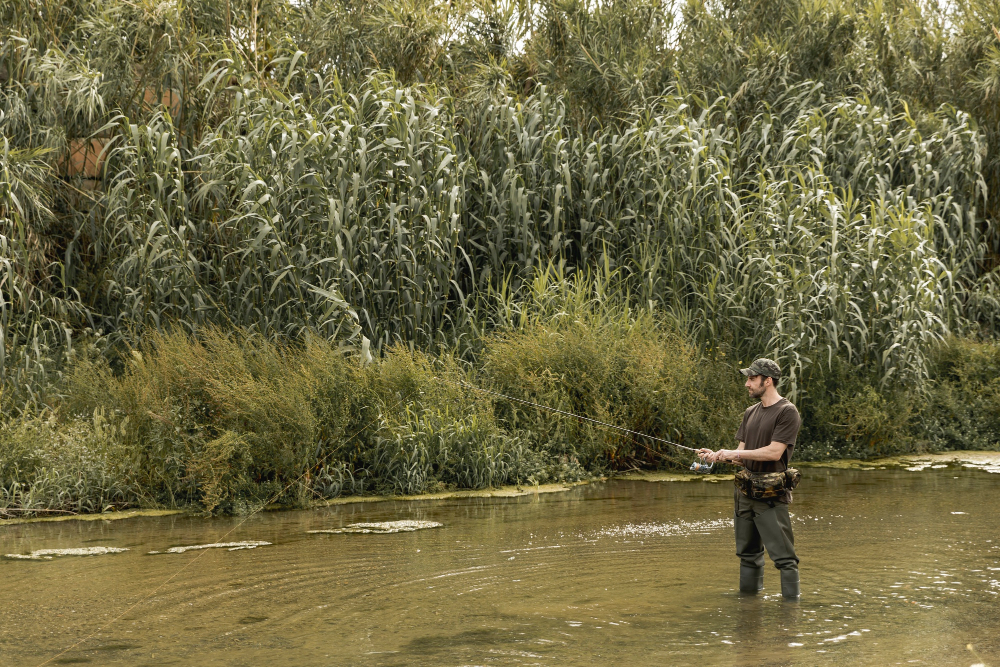
Each individual angler who uses a fly rod will remember the first cast. It all goes smoothly – the line is tossed into the air, the fly lands on the water surface, and all is well. Until the wind picks up, the line becomes tangled, and it becomes clear that there is still a lot to learn.
It is natural. Fly fishing requires practice, but proper equipment makes it possible. No heavy vest with many items inside is required. All one needs is just a few quality devices which complement each other well.
Start with a Balanced Setup
Fly rod, reel, and line are designed to be used together and form a balanced combination. If they correspond to each other, casting will go smoothly and easily. Otherwise, even experienced anglers will have difficulty casting.
That is why it is good to shop quality fly fishing gear from a supplier who can help you get the right fit, instead of picking each part from a sale box.
The rod
For most people who are new to fishing for trout in rivers and lakes, a 9-foot, 5-weight rod is the usual choice. It is long enough to help you cast far and light enough to make small fish feel fun to catch. A medium-fast action rod is easy to work with while you learn to cast at the right time.
The reel
On small freshwater fish, the reel is mostly for holding the line. Pick one that matches your rod weight. It should have an easy and smooth drag. A large-arbour shape brings in line fast and helps cut down on tight loops.
The line
This is where people who are new to fishing should pay a bit more. A weight-forward floating line works well for most basic fishing. It helps make casting simple to learn. Match the line weight to your rod.
Leaders, Tippet and Flies
The leader is the distinct tapering section that attaches your fly line to your fly. A tapered leader that’s 9 feet long is a perfect starting point. The tippet is the slim material attached to the end of the leader. It enables you to change your flies without shortening the leader each time.
For flies, keep things simple. A small box with some dry flies, a few nymphs, and woolly buggers is good for most trout water. This simple guide to choosing your first fly fishing outfit makes it easy to understand the basics.
Small Accessories That Make a Big Difference
Polarised sunglasses
They help cut glare. You can see fish and things under the water better. They also keep your eyes safe if a hook flies your way.
Nippers and forceps
Nippers cut tippet fast and neat. Forceps help take out hooks. This is better for the fish and it makes you work quicker.
Waders or wet-wading gear
When the water is cold, you will feel good for hours in breathable waders. In summer, quick-dry pants and wading boots can be all you need.
A landing net
A rubber-mesh net is soft on fish. It does not grab onto flies as much.
Know the Rules Before You Fish
Gear is not the only thing you need. In New South Wales, anyone who wants to fish in fresh or salt water must pay the NSW recreational fishing fee. A lot of trout streams close at certain times, and there are limits to how many you can take. Other states have rules of their own, so find out what they are before you go fishing the first time.
Practise on grass first
Tie a small bit of wool to the leader and practice casting on the lawn. The twenty minutes, if you do this a few times in a week, will make the first day on the water feel way more fun.
Conclusion
Learning to fly fish is a process that takes time, but it’s rewarding every single time. The tools you choose must assist you rather than complicating things for you. A five-weight rod, floating line, flies, and appropriate accessories are all that you need to get started. Take the time to select the best fly fishing tools that suit your style of fishing.
Frequently Asked Questions
What weight fly rod is best for beginners?
A 9-foot rod with a 5-weight is the best rod for trout in both rivers and lakes.
Do I need a licence to fly fish in Australia?
Most states ask you to have a fishing license or pay a fee when you want to fish for fun. Go to your local fishing site before you head out to fish.
Is a floating or sinking line better to start with?
A weight-forward floating line is easy to cast. It works well for most beginners.
How many flies should a beginner carry?
You can start with around twelve patterns that include dries, nymphs, and streamers. That will be enough for now.