By Jim Rolla, LMSW, SVP, Personal Care, VNS Health
Mom loves baking cookies for her grandkids, but after a painful fall, she can’t get to the kitchen. Dad’s vision issues make traveling alone unsafe, so he needs someone to go with him to appointments on the bus. Your uncle needs help showering but feels embarrassed to ask his family.
As our relatives get older, these stories become all too familiar. It’s tough for any of us to lose independence as we age, but in these situations, families are usually the first to provide caregiving and extra support. It’s natural to want to be there for a loved one—but add caregiving to an already busy schedule, as you try to balance work, family and personal life, and it can quickly become overwhelming without your even realizing it.
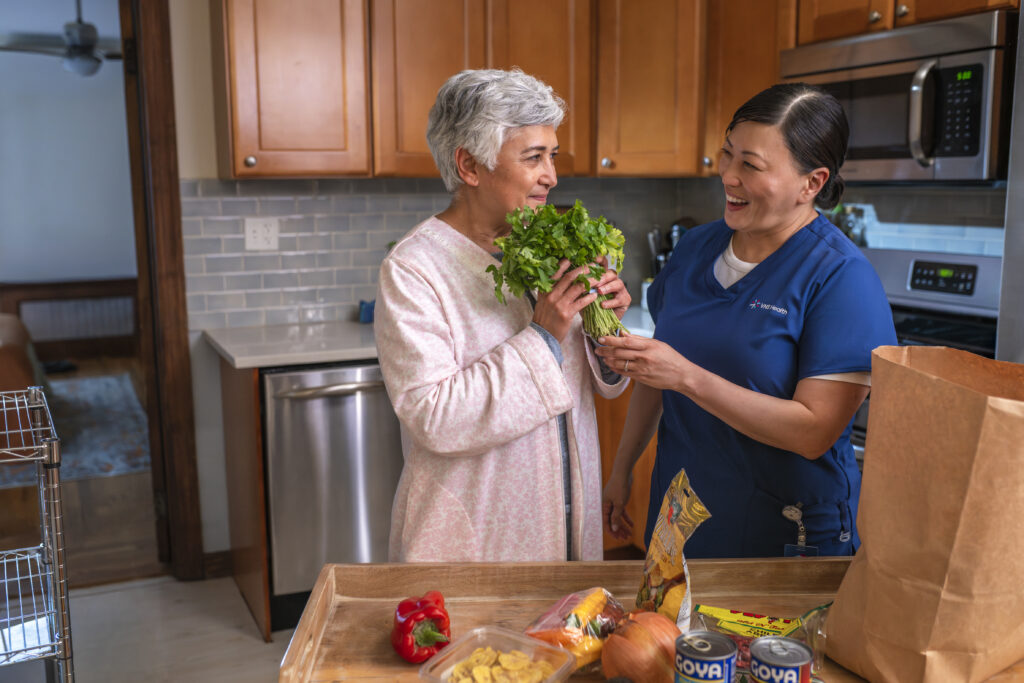
To avoid burnout, all family caregivers need support. One way to address this is by arranging for Personal Care services, particularly a home health aide (HHA), also known as a personal care aide (PCA), to help with daily tasks that often make up the majority of caregiving for an older individual. According to the AARP, among the most common things caregivers assist with are Activities of Daily Living (ADLs). These are basic self-care tasks that a person needs to carry out to live safely at home. Assistance with ADLs can include helping someone eat, bathe, use the bathroom, move around the home, prepare meals, and much more.
Providing this kind of support often ends up being a long-term commitment, as people live longer and are more likely to have multiple complex chronic illnesses. Home health aides serve a vital role in helping people continue living independently at home by providing essential long-term support, along with companionship and a watchful eye for any emerging health problems. But finding the right aide for your loved one takes planning. You can find an aide on your own, but that also means handling all of the planning and organizing yourself. Using an agency is more hands‑off and provides more support, since they take care of paperwork, safety checks, and backup coverage. If you choose to go with an agency, here are some tips as you start to find the right aide:
Finding an agency
You can start by locating a licensed home health care agency through databases like the one maintained by NYS Department of Health or the National Care Alliance. Once you’ve connected with an agency in your area, the next step is sharing your loved one’s specific needs with a care coordinator. Every person’s situation is different, and it’s important to find an aide who meets your needs and makes your loved one feel comfortable, supported, and understood. Once the care coordinator understands what you’re looking for, you can work with them to find a home health aide who may be a good fit for your loved one.
Here are a few tips to keep in mind when you’re interviewing for a home health aide:
Start Strong by Coming Prepared
Before your first call to the agency, create a written plan outlining administrative details, your loved one’s top needs, and any concerns from family members. Along with daily care needs, be ready to share essential information such as your loved one’s primary physician, diagnoses, and medications so the care team has a full picture from day one. Personal care services may include nursing oversight, so this medical background is important. A registered nurse will conduct a first home visit and follow up with periodic check-ins, especially when there are changes in condition.
Paint a Picture of Your Loved One’s Daily Life
Sharing your loved one’s routines and challenges helps the agency match them with the right aide. Clarify what tasks they need help with—bathing, dressing, toileting—and which household chores the aide should handle. Provide a prioritized list and note any cultural or language preferences that support comfort. Be clear about your timeline, especially if you’re seeking short-term respite care.
Preventing Falls and Other Safety Concerns
Falls pose a serious risk for older adults. Let the care coordinator know if your loved one needs help walking or transferring, or if the home has stairs or tricky bathroom layouts. Ask whether the aide has fall‑prevention training.
Set Up a Clear Communication Channel
Select a family point person for the agency to contact. Share preferred communication methods and confirm procedures for situations like an aide calling in sick and needing a replacement.
Getting a home health aide for the first time can feel daunting, but remember that aides and their agencies share the same goal: helping your loved one stay healthy and thrive. Providing details early and developing a plan together sets everyone up for success.
For more information about VNS Health, including personal care, visit vnshealth.org or call 1-800-675-0391