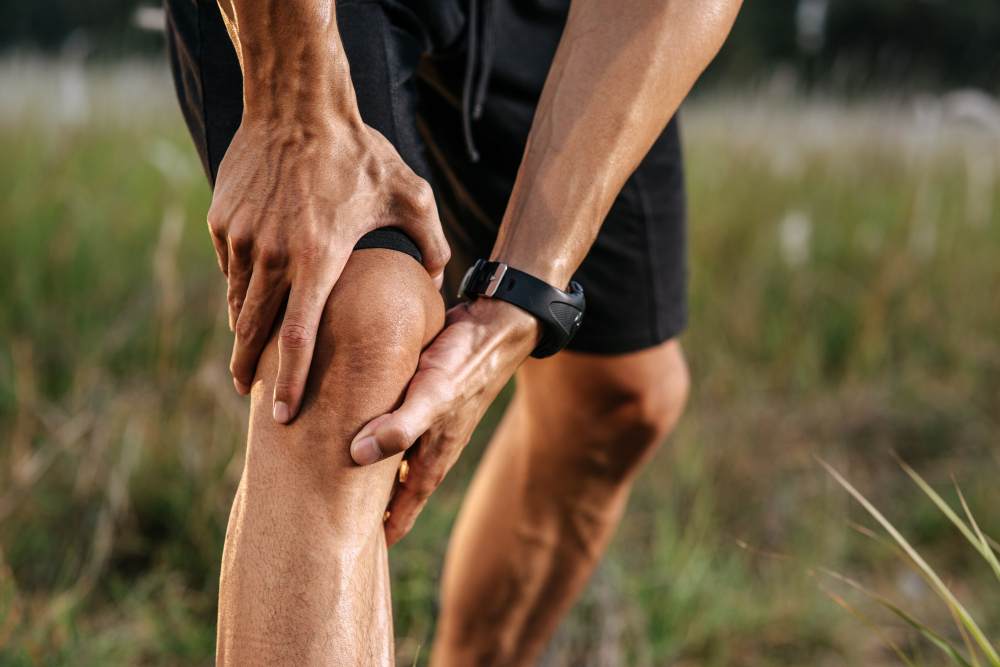
It can be surprising how a simple movement like bending or straightening the leg can suddenly cause pain. Many people first notice it when standing up from a chair, climbing stairs, or stretching after sitting for a long time. The pain may feel like a quick sharp sting or a dull ache that makes walking uncomfortable.
When the discomfort does not go away with rest, it often leads to worry. The knee is involved in almost every daily movement, so pain in this area can affect walking, exercise, and even sleep. Simple routines can start to feel difficult or tiring.
Knowing why this pain happens is the first step toward relief. Strain from overuse, past injuries, and natural changes in the joints with age can all make bending or straightening the knee uncomfortable. Understanding the cause helps guide the right steps to reduce pain and protect movement.
Common Causes of Tender and Painful Knees
The knee is one of the hardworking joints in the body. It supports your weight, cushions impact, and helps you move with almost every step. Because it works so hard all the time, it is also one of the joints most likely to hurt or get injured.
Strained Muscles and Overuse
One of the main reasons the knee hurts when bending is tight or overworked muscles. Repeating the same movements, especially during sports or exercise, can push the muscles around the knee too far. This can create tiny tears in the muscle fibers, which cause pain and stiffness.
Even everyday actions like climbing stairs or squatting can make the tightness worse, making it hard to bend or straighten the leg completely. People who sit for long periods may also feel this kind of pain because staying still can make the knee muscles stiff and weak.
Giving the muscles time to heal usually helps. Gentle stretching, short walks, and moving regularly throughout the day can improve flexibility and make the knee feel stronger and more supported.
Minor Injuries and Sprains
Another common reason the knee hurts when bending or straightening the leg is a minor injury. Twisting, falling, or putting sudden weight on the leg can cause a sprain or strain. Some injuries heal on their own with rest, but others can irritate the soft tissues around the knee, causing swelling and making movement harder.
Small injuries often go unnoticed at first. A few days later, pain may appear when squatting, kneeling, or even standing up. The ache can feel sharp, especially the first time you bend the knee after sitting still.
Applying ice, keeping the leg slightly raised, and resting the knee can help reduce pain and swelling. But if the pain doesn’t get better or the swelling gets worse, it’s important to see a doctor to make sure there is no ligament or tendon damage.
Early Signs of Joint Conditions
While some pain comes from temporary strain, other causes may point to early joint wear. When the cartilage that cushions the bones starts to break down, the joint loses its smooth movement. Simple actions like bending or straightening the knee may feel like bone rubbing on bone.
When the cartilage that cushions the bones starts to break down, the joint loses its smooth movement. Simple actions like bending or straightening the knee may feel like bone rubbing on bone.
Taking breaks during activity, maintaining a healthy weight, and strengthening the muscles around the knee can reduce pressure and make movement easier over time. In cases where joint damage is severe, medical treatments such as cartilage surgery may be considered to repair or restore knee cartilage and improve overall joint function.
When Pain Comes from Inside the Joint
Not all knee pain comes from sore muscles or little injuries. Sometimes, the pain comes from deep inside the joint, affecting the parts that hold the knee strong and stable.
Meniscus Tears and Cartilage Damage
The meniscus is like a soft cushion inside the knee that absorbs shock and makes movement smooth. When it tears, usually from a sudden twist or awkward step, pain can appear immediately. Some people feel the knee catching or locking when bending or straightening it fully.
This type of injury is common in athletes or people who move a lot for work. The pain may ease with rest, but if the tear is more serious, it usually returns when activity resumes. Small tears can often improve with rest and physical therapy, but more severe cases require a doctor check.
Ligament Strain or Injury
Ligaments connect the bones and keep the knee stable. If they are stretched too far, they can cause pain, swelling, and a feeling that the knee is unstable. Bending or straightening the leg may feel weak or uncomfortable.
Ligament problems do not only happen in sports. They can also occur after a sudden misstep or quick turn. Mild injuries usually get better with rest, compression, and strengthening exercises, but serious ones need medical attention.
Inflammation and Fluid Buildup
Sometimes, knee pain is not from a tear or strain at all. Swelling and soreness inside the joint can make it feel warm and stiff. Conditions like bursitis or mild arthritis can cause fluid to build up, making it hard to bend or straighten the leg.
This inflammation can come from repeated movement, a minor infection, or long periods of pressure on the knee. Treating it usually means finding the cause, reducing stress on the joint, and easing swelling with gentle movement and guided care.
Moving Forward with Awareness and Care
Safe knee pain treatment is an important step for anyone with knee discomfort. Knee pain often causes people to be less active, especially as they get older. Whether it comes from muscle strain, worn joints, or internal injury, pain is the body’s signal that care is needed. Seeking safe and effective treatment can reduce discomfort, improve movement, and help maintain an active lifestyle.
Ignoring the discomfort can make it worse over time. Paying attention to your body and taking proper care can help prevent further injury. Rest, balanced movement, and gentle strengthening of supporting muscles can greatly reduce daily strain.
If bending or straightening the leg hurts for more than a few days, it is best to see a medical professional. Early evaluation can identify the cause and guide treatment before it becomes more serious.
Caring for the knees is not just about avoiding pain. It is about keeping the foundation for daily movement strong and steady. With awareness and the right approach, it is possible to maintain healthy joints and move comfortably at any age.