
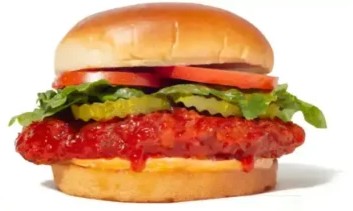
A great chicken sandwich may look simple, but Irvine diners know there is a major difference between an average meal and one worth ordering again. The best chicken sandwiches in Irvine combine crisp breading, juicy chicken, fresh toppings, balanced sauces, and a bun that holds everything together without becoming soggy. Each ingredient has a job, and the sandwich only succeeds when every part works in harmony. Customers want bold flavor, dependable quality, and food that tastes freshly prepared rather than assembled in a hurry. For restaurants serving a community with high expectations and countless dining options, meeting those standards is essential.
It Starts With High-Quality Chicken
The chicken is the foundation of the sandwich, so its quality cannot be treated as an afterthought. Irvine customers expect a substantial piece of chicken that is tender, flavorful, and large enough to fill the bun. Thin, uneven, or overly processed pieces can leave the sandwich feeling disappointing, no matter how good the toppings may be. A well-prepared chicken breast or thigh should remain moist after cooking and provide a satisfying bite from the first mouthful to the last. Consistent trimming and portioning also help ensure that every customer receives the same quality experience.
Proper seasoning is just as important as the cut of chicken. Flavor should extend beyond the breading and reach the meat itself through marinating, brining, or careful seasoning before cooking. A bland center can make an otherwise attractive sandwich feel incomplete. Salt, spices, and aromatics should enhance the chicken without overpowering its natural flavor. When the meat is seasoned throughout, the sandwich remains enjoyable even in bites with fewer toppings or less sauce.
Crispiness Should Last Beyond the First Bite
Crispy breading is one of the defining characteristics of a memorable fried chicken sandwich. Customers expect a coating that has texture, crunch, and enough structure to remain attached to the chicken. Breading that falls off immediately or turns soft after a few minutes can quickly ruin the experience. The best coatings create small ridges and crisp edges that capture sauce while still protecting the juicy meat inside. Every bite should offer a clear contrast between the crunchy exterior and tender center.
Maintaining that crispness is especially important for takeout orders. Chicken may spend several minutes in a container before the customer begins eating, so preparation and packaging must account for trapped steam. Ventilated containers can help moisture escape rather than collect around the breading. Restaurants may also place heavily dressed toppings or sauces carefully to minimize direct contact with the crispy coating. Irvine diners expect takeout chicken sandwiches to arrive in a condition that is close to how they would be served inside the restaurant.
Fresh Oil Makes a Noticeable Difference
Frying oil has a direct impact on flavor, aroma, appearance, and texture. Clean, properly maintained oil helps chicken develop a golden exterior without leaving an unpleasant aftertaste. Old or poorly managed oil can produce breading that is dark, greasy, or bitter. Customers may not know exactly what went wrong, but they can recognize when fried food tastes heavy or stale. Consistent oil filtration, temperature monitoring, and replacement are therefore essential parts of quality control.
Temperature also determines whether the chicken becomes crisp or absorbs excess grease. Oil that is too cool may create a soggy, oily coating, while oil that is too hot can burn the exterior before the chicken cooks properly. Restaurants must maintain a stable cooking temperature even during busy periods when several orders are placed at once. Allowing the oil to recover between batches helps keep results consistent. Irvine customers expect the same golden crunch whether they order during a quiet afternoon or the middle of the dinner rush.
The Bun Must Support the Whole Sandwich
A chicken sandwich bun should be soft enough to bite easily but strong enough to contain the filling. A bun that is too firm can squeeze the chicken and toppings out of the sides, while one that is too delicate may collapse under the sauce and moisture. Slightly sweet brioche-style buns are popular because they balance savory and spicy ingredients. Potato rolls and other soft bakery-style buns can also provide the right combination of flavor and structure. Whatever style is chosen, freshness is nonnegotiable.
Toasting the bun adds another layer of quality. A lightly toasted interior creates flavor and forms a small barrier against sauces and juicy toppings. This step can help prevent the bottom bun from becoming soggy during takeout or delivery. The bun should not be toasted so heavily that it becomes dry or difficult to bite. Irvine diners expect thoughtful preparation, and a properly toasted bun shows attention to details that are easy to overlook.
Toppings Should Add Freshness and Contrast
Fresh toppings balance the richness of fried chicken. Crisp lettuce, cool slaw, sliced pickles, tomatoes, and onions can add brightness, acidity, texture, and color. These ingredients should taste clean and fresh rather than wilted or watery. Even a small amount of poor-quality produce can affect the entire sandwich. Restaurants must store, prepare, and portion toppings carefully to maintain their appeal.
Pickles are especially important on many chicken sandwiches because their acidity cuts through the breading and sauce. Thin slices provide consistent flavor, while thicker cuts create a more noticeable crunch. Slaw can add creaminess and freshness, but it should be properly drained to avoid soaking the bun. Lettuce should remain crisp and should be added in a way that keeps it from wilting against hot chicken. The best toppings do more than decorate the sandwich; they improve every bite.
Popular topping combinations may include:
- Dill pickles and spicy mayonnaise
- Lettuce, tomato, and garlic aioli
- Vinegar-based slaw and barbecue sauce
- Jalapeños, pickles, and ranch
- Honey glaze and crisp cabbage
- Avocado, lettuce, and lime sauce
These combinations give restaurants opportunities to create familiar, spicy, tangy, or California-inspired options. Irvine customers appreciate variety, but each topping should have a clear purpose. Adding too many ingredients can make the sandwich difficult to eat and hide the flavor of the chicken.
Sauce Should Enhance, Not Overwhelm
Sauce can transform a chicken sandwich, but more is not always better. Too little sauce may leave the sandwich dry, while too much can overwhelm the breading and create a mess. The ideal amount adds moisture and flavor without dripping from every side. Restaurants should consider the thickness, intensity, and placement of each sauce. Spreading it evenly across the bun often produces a better experience than pouring it heavily over the chicken.
Different sauces can create distinct sandwich styles. Spicy mayonnaise provides heat and richness, while barbecue sauce adds sweetness and smoke. Garlic aioli, ranch, honey mustard, and hot honey each bring a different balance of flavor. Some restaurants use a signature sauce to distinguish their sandwiches from competitors. Regardless of the recipe, the sauce should complement the seasoning of the chicken instead of competing with it.
Spice Levels Should Be Flavorful and Clear
Spicy chicken sandwiches have become extremely popular, but heat should not come at the expense of flavor. Customers want spices that create warmth, complexity, and excitement rather than a harsh burn with no depth. Cayenne, paprika, chili blends, pepper sauces, and hot honey can all contribute different types of heat. The seasoning should be distributed evenly so one bite is not mild, and the next is overwhelmingly hot. A well-designed spicy sandwich remains flavorful from beginning to end.
Restaurants should also communicate spice levels clearly. Terms such as mild, medium, hot, and extra hot are useful only when they reflect meaningful differences. Diners should be able to choose a level that matches their comfort without unpleasant surprises. Cooling sauces, pickles, and slaw can help balance hotter preparations. Offering several levels allows spice lovers to enjoy a challenge while ensuring that other customers still have approachable options.
A Chicken Sandwich Must Be Built for Easy Eating
A delicious sandwich can still disappoint when it is impossible to hold together. Oversized toppings, slippery sauces, and an uneven piece of chicken may cause the entire meal to fall apart. Each layer should be placed carefully to create stability and distribute flavor. The chicken should sit securely on the bun, and toppings should not slide out with the first bite. Good construction allows customers to focus on the food instead of constantly rebuilding it.
The proportion of ingredients also matters. A giant piece of chicken on a tiny bun can be difficult to manage, while too much bread may make the sandwich feel dry. Sauces and toppings should be spread across the full surface rather than concentrated in the center. Restaurants may wrap sandwiches partially to help them maintain their shape during takeout. Irvine customers value generous portions, but they also expect a sandwich that can be eaten comfortably.
Takeout Packaging Is Part of the Quality Standard
Packaging can determine whether a chicken sandwich arrives crisp and fresh or warm and soggy. Containers should protect the sandwich while allowing enough airflow for steam to escape. Wrapping the sandwich too tightly may trap moisture and soften the breading. Leaving it completely unsecured can allow toppings and sauces to shift during transportation. Effective packaging strikes a balance between ventilation, insulation, and stability.
Sides should also be packaged thoughtfully. Hot fries placed directly against a wrapped sandwich may create additional steam, while cold toppings or sauces can affect temperature. Separate compartments or containers can preserve the intended texture of each item. Napkins, utensils, and requested condiments should be included without customers having to ask repeatedly. Takeout is part of the dining experience, so packaging should reflect the same level of care as the cooking.
Consistency Builds Customer Loyalty
A customer may forgive one imperfect meal, but repeated inconsistency makes it difficult to build trust. Diners expect their favorite sandwich to taste the same each time they order it. That means maintaining consistent chicken portions, breading, cooking times, toppings, sauces, and presentation. Recipes and preparation standards should be clear enough that quality does not depend on which employee is working. Strong systems allow restaurants to meet expectations even during busy periods.
Consistency is especially important in Irvine, where customers have many dining choices. A restaurant that delivers dependable quality becomes an easy option for lunch, dinner, office orders, and family meals. Positive experiences can lead to repeat visits and word-of-mouth recommendations. One excellent sandwich may attract attention, but consistent sandwiches create loyal customers. Reliability is one of the most important standards a restaurant can offer.
Frequently Asked Questions About Chicken Sandwiches in Irvine
What makes a chicken sandwich crispy?
A properly seasoned coating, fresh frying oil, and the correct cooking temperature create a crisp exterior. Ventilated packaging helps maintain that texture during takeout.
Is chicken breast or chicken thigh better?
Both can work well. Chicken breast provides a lean, substantial bite, while thigh meat tends to be richer and naturally juicier.
How can restaurants prevent soggy takeout sandwiches?
They can use ventilated packaging, toast the bun, control sauce portions, and keep wet toppings from sitting directly against the breading.
What toppings pair best with fried chicken?
Pickles, slaw, lettuce, onions, tomatoes, and jalapeños are common choices. Acidic and fresh toppings help balance the richness of fried chicken.
What makes a spicy chicken sandwich good?
The best spicy sandwiches combine heat with savory flavor, crisp texture, and cooling ingredients. Spice should enhance the chicken rather than completely overpower it.
Should sauce be served on the sandwich or on the side?
Either approach can work. Sauce on the side gives takeout customers more control and may help the chicken stay crisp longer.
How should leftover chicken sandwiches be reheated?
Remove cold toppings and sauce, then reheat the chicken in an oven or air fryer. Microwaving is convenient but may soften the breading.
Discover the Chicken Sandwich Standards Irvine Deserves
An outstanding chicken sandwich requires more than fried chicken placed between two pieces of bread. Irvine diners expect juicy meat, crisp breading, fresh toppings, balanced sauce, a quality bun, and packaging that protects the entire meal. Every detail contributes to whether the sandwich feels fresh, flavorful, and worth ordering again. The best chicken sandwiches in Irvine deliver consistency while offering enough variety to satisfy classic, spicy, and adventurous preferences. When all of these standards come together, a simple takeout meal becomes something customers genuinely look forward to.