
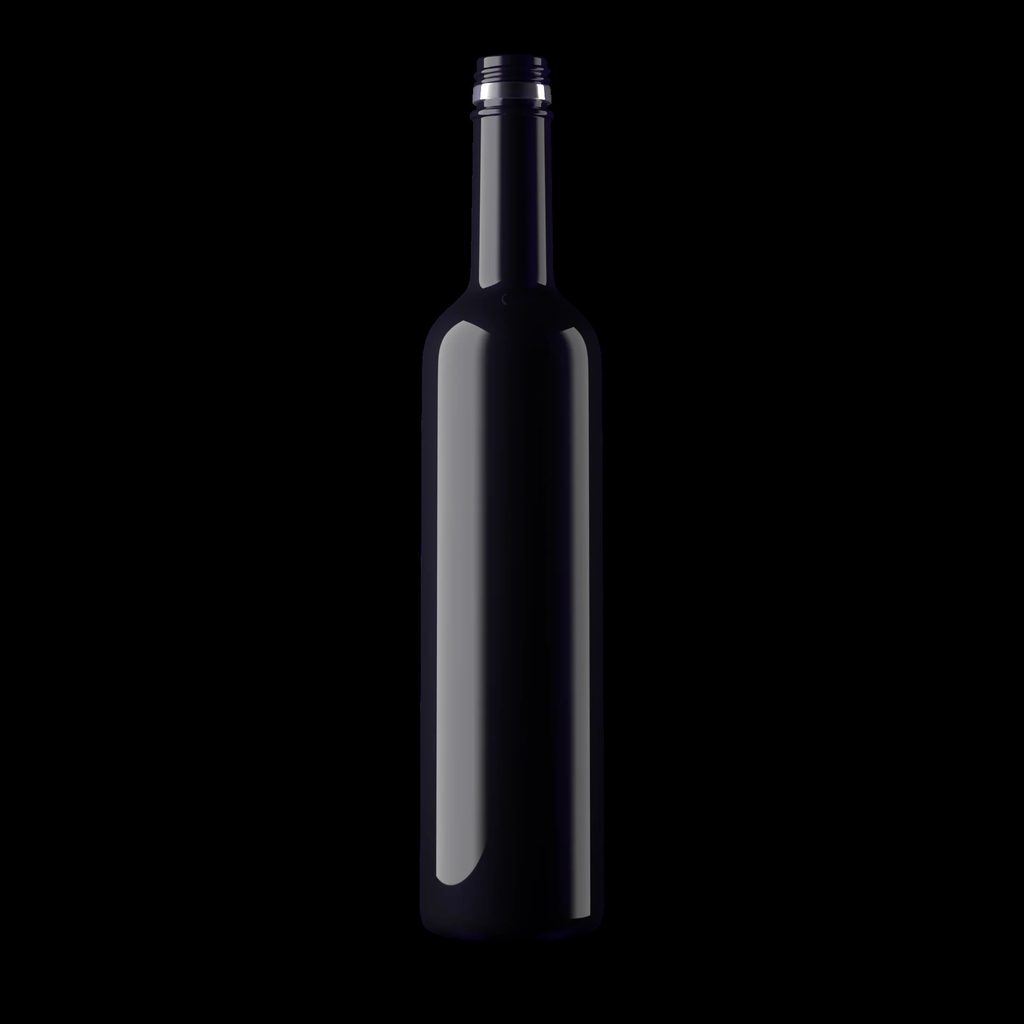
Construction and infrastructure companies are under increasing pressure to reduce single-use plastic, improve wellbeing on site, and deliver measurable sustainability results. The focus is often on heavy materials and fuel, but smaller procurement choices, such as reusable drinking and liquid packaging, also matter across multi-site operations.
One option gaining traction in corporate hospitality, wellness, and premium beverages is biophotonic violet glass. For contractors and project organizations, it supports both environmental goals and practical daily use. A well-specified purple glass water bottle helps teams adopt a durable, reusable standard bottle while protecting light-sensitive contents from exposure.
Why Light Protection Matters on Construction Sites
On construction sites and in temporary offices, liquids are often stored under changing conditions, including direct sunlight, heat, and intensive daily use. For ordinary drinking water, this may only have limited relevance, but more organizations now also offer electrolyte mixes, vitamin drinks, herbal infusions, or syrups for dispensers.
Biophotonic glass is designed to limit the influence of harmful light wavelengths on the contents. In practice, this can help support a more stable taste and reduce the degradation of light-sensitive ingredients. For procurement teams, that means lower risk, fewer complaints about unusual taste, less product loss, and more consistent service quality across different locations.
Where Biophotonic Bottles Fit Within Construction Processes
Biophotonic bottles are not only consumer products. They can be used in several B2B situations that are relevant to construction and civil engineering.
- Site welfare facilities and HSE programs aiming to reduce single-use plastic
- Project offices and client meetings where presentation and hygiene matter
- Catering and hospitality on large projects where refilling and stock management are routine
- Storage of special liquids such as concentrates or supplements where light can affect quality
A practical example is a long-term infrastructure project with several distribution points. When a contractor replaces daily deliveries of disposable bottles with a refill station and reusable bottles, the reduction in packaging waste can often become visible within weeks. Even without exact figures, the operational advantage is clear: fewer deliveries, less waste handling, and a cleaner construction site.
Specification Checklist for Procurement Teams
To avoid mismatches between bottles and closures, it is sensible to treat bottles as a specification item, similar to other components in the supply chain.
- Content volume and application. Common options range from 100 to 250 ml for concentrates to 500 to 1000 ml for daily hydration.
- Shape for use and cleaning. Smooth profiles simplify cleaning and rinsing routines.
- Neck finish and compatibility. Check the thread or finish, such as PP28 or 28ROPP, so that caps fit correctly and remain leak-tight.
- Operational requirements. Consider tamper evidence, child-resistant options where relevant, and hygiene procedures for shared use.
These details help procurement teams select reusable bottles that align with construction-site logistics, ESG purchasing, and project-office standards.
Total Cost of Ownership and Compliance
On a unit-price basis, glass can seem more expensive than plastic. A better comparison is total cost of ownership.
- Reuse lowers the cost per use
- Lower waste volume simplifies housekeeping and disposal
- ESG reporting and tenders benefit from visible plastic reduction
Biophotonic glass is also relevant beyond drinking water. For organizations handling oils, such as small quantities of maintenance blends or natural oil products in facility applications, light-protective packaging can help preserve quality. Specific oil bottles can be included alongside water bottles for a consistent packaging approach.
Next Steps for Procurement Teams
Start with a pilot on one project. Choose two bottle sizes, confirm closure compatibility, and document cleaning and usage procedures. If the pilot improves service consistency and reduces waste, scaling to multiple locations becomes straightforward.
Miron supplies biophotonic glass bottles in multiple sizes and neck finishes, with B2B support for samples and specification matching.