
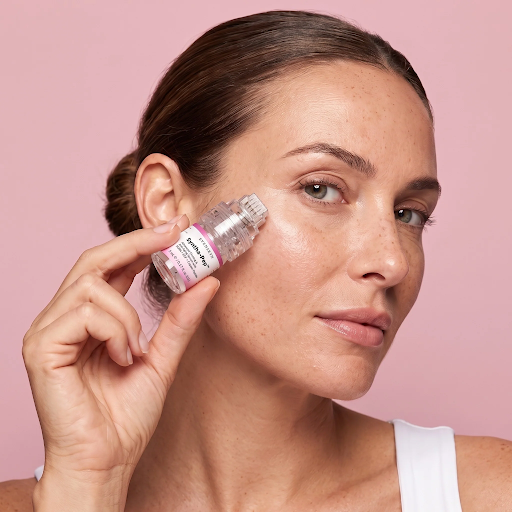
Skin care has become increasingly personalized, with consumers looking for practical ways to support smoother, healthier-looking skin without making their routines unnecessarily complicated. Alongside cleansers, moisturizers, serums, and sunscreen, at-home beauty devices are becoming another option for people interested in taking a more technology-focused approach to their skincare routine. One such development is micro-infusion, a cosmetic technique designed to combine a specialized device with topical skincare products.
For those exploring this category, Even Skyn offers products designed for at-home skincare routines. A Micro-infusion system can provide a more targeted way to incorporate certain topical formulations into a beauty regimen. However, understanding how these devices work, how to prepare the skin, and how to use them responsibly is just as important as choosing the product itself.
What Is At-Home Micro-Infusion?
Micro-infusion refers to a cosmetic skincare technique that uses a device with very fine points or precision components to interact with the skin’s surface while applying a topical formulation.
It is important to distinguish at-home micro-infusion products from professional dermatological procedures. Different devices have different designs, specifications, and intended uses. A home device should therefore be used strictly according to its manufacturer’s instructions rather than being treated as a substitute for a professional procedure.
The appeal is largely about convenience. Instead of making a separate appointment for every skincare treatment, consumers can incorporate certain beauty technologies into their existing home routines.
Why Are Home Skincare Devices Becoming Popular?
Modern consumers often want skincare that fits around busy schedules. At-home devices can offer an additional option for people who enjoy experimenting with technology-based beauty products.
Some potential reasons consumers explore micro-infusion include:
- Convenience
- A more structured skincare routine
- Interest in advanced beauty technology
- Targeted application of topical products
- The ability to incorporate treatments into a home environment
However, expectations should remain realistic. Skincare results vary from person to person, and no single device can provide identical outcomes for everyone.
Factors such as age, skin type, lifestyle, environmental exposure, product selection, and consistency can all influence how someone’s skin looks and feels.
Building a Strong Foundation Before Using a Device
A micro-infusion device should complement good skincare habits rather than replace them.
Before adding any beauty technology, establish the basics.
Start With Gentle Cleansing
A gentle cleanser can help remove makeup, excess oil, and everyday impurities without unnecessarily disrupting the skin’s comfort.
Aggressive cleansing is not automatically more effective. If your skin feels tight or uncomfortable after cleansing, the product may be too harsh for your individual needs.
Keep Skin Hydrated
Moisturization is another fundamental part of an effective skincare routine. The right moisturizer can help maintain a comfortable, hydrated appearance.
Different skin types have different needs, so product selection should be based on individual tolerance and preferences.
Never Skip Sun Protection
Daily sun protection remains one of the most important aspects of a long-term skincare routine. Broad-spectrum sunscreen can help protect the skin from ultraviolet exposure that contributes to visible signs of premature aging.
An advanced beauty device should never be viewed as a replacement for sun protection.
Preparing Your Skin for Micro-Infusion
Preparation matters when introducing a new skincare device.
Start by carefully reading the manufacturer’s instructions. Pay attention to guidance concerning cleansing, compatible products, device preparation, treatment frequency, cleaning, storage, and replacement components.
Clean Your Hands
Wash your hands before handling the device or touching your face. This simple step can help maintain better hygiene throughout the process.
Cleanse the Treatment Area
The intended treatment area should be appropriately cleansed before use. Makeup, excess oils, and other surface products should be removed according to the manufacturer’s directions.
Use Compatible Products
Not every serum or cosmetic formulation is necessarily appropriate for use with every micro-infusion device.
Only use products recommended or approved by the manufacturer for the intended application. Avoid experimenting with unrelated formulations simply because they contain popular skincare ingredients.
Understanding Skincare Ingredients
One of the most interesting aspects of modern home skincare is the variety of ingredients available.
Depending on the formulation, consumers may encounter ingredients such as peptides, humectants, antioxidants, and other cosmetic compounds.
Peptides
Peptides are commonly included in skincare formulations designed to support the appearance and feel of aging skin.
Hydrating Ingredients
Ingredients designed to attract or retain moisture can contribute to a smoother and more comfortable-looking complexion.
Antioxidants
Antioxidant ingredients are frequently used in skincare products because of their role in formulations designed to support the skin against environmental stressors.
The presence of an ingredient, however, does not guarantee a particular result. Formulation quality, concentration, individual skin characteristics, and consistent use all matter.
How Often Should You Use a Micro-Infusion Device?
This is an area where more is not necessarily better.
Users should follow the schedule provided by the manufacturer. Increasing the frequency beyond the recommended instructions does not automatically accelerate cosmetic results and could increase the chance of irritation or discomfort.
If your skin becomes unusually irritated, pause the routine and reassess the situation.
People who regularly experience sensitivity or have an existing skin concern may wish to speak with a dermatologist before introducing a new device.
Hygiene Is Essential
Any skincare device that comes into close contact with the face should be handled carefully.
Follow the manufacturer’s cleaning instructions after every use. If a component is designed for single use, do not reuse it.
The device should also not be shared with other people.
Proper storage is equally important. Keep the device and its components in the manner recommended by the manufacturer and avoid exposing them to unnecessary contamination.
Who Should Be Cautious With At-Home Devices?
At-home cosmetic devices are not suitable for every situation.
If the skin has open wounds, active irritation, infections, or another significant concern, it may be better to avoid introducing additional treatments until the issue has been appropriately addressed.
People using prescription skincare products should also consider whether a new device is compatible with their existing routine.
When in doubt, professional advice from a dermatologist or other qualified healthcare professional can help determine whether a particular treatment is appropriate.
Common Mistakes to Avoid
Using Too Many Products
Adding multiple new products at once can make it difficult to determine which product is responsible for irritation or other changes.
Introduce new products gradually when possible.
Ignoring Manufacturer Instructions
Online videos and social media tutorials can demonstrate techniques that are not appropriate for your particular device.
The manufacturer’s instructions should take priority.
Treating More Frequently Than Recommended
More treatment does not necessarily mean better results. Stick to the recommended schedule.
Neglecting Sunscreen
Consumers sometimes focus heavily on sophisticated skincare devices while overlooking everyday sun protection.
A consistent sunscreen routine remains essential.
Expecting Instant Results
Skin changes gradually. A realistic approach focuses on consistent care rather than expecting dramatic transformation after one treatment.
How to Create a Simple Home Skincare Schedule
A straightforward routine is often easier to maintain than a complicated one.
Morning
A basic morning routine might look like:
- Gentle cleanser
- Suitable skincare product
- Moisturizer
- Broad-spectrum sunscreen
Evening
An evening routine may include:
- Gentle cleansing
- Appropriate treatment products
- Moisturizer
If a micro-infusion device is included, use it according to the manufacturer’s specific instructions regarding timing, compatible products, and frequency.
Tracking Your Skincare Progress
It can be difficult to notice gradual changes when you look at your face every day.
One practical approach is to take occasional photographs under similar lighting and from similar angles. This can provide a more consistent way to observe changes in the appearance of your skin.
Avoid comparing your results directly with heavily edited social media photographs. Lighting, camera settings, makeup, filters, and professional treatments can dramatically affect how skin appears in pictures.
Choosing Technology That Fits Your Routine
The best skincare technology is not necessarily the device with the longest feature list. It is the one that fits your needs, lifestyle, budget, and ability to use it correctly.
Before purchasing a home micro-infusion product, consider:
- How the device is intended to be used
- Which products are compatible with it
- Cleaning requirements
- Recommended treatment frequency
- Replacement requirements
- Whether your skin is suitable for the treatment
- Whether you understand the manufacturer’s instructions
Doing this research beforehand can make the experience more practical and predictable.
Learning More About Sensitive Skin
People who are interested in home skincare routines should also understand how different active ingredients can affect sensitive skin. Understanding your skin’s tolerance can help you make better decisions when introducing new products or technologies.
Final Thoughts
At-home micro-infusion is part of a broader shift toward convenient, technology-assisted skincare. For consumers interested in exploring this approach, the key is not simply purchasing a device but learning how to incorporate it responsibly into an established routine.
Start with the basics: gentle cleansing, hydration, appropriate skincare products, and consistent sun protection. Follow the device manufacturer’s instructions carefully, use only compatible formulations, maintain good hygiene, and avoid treating more frequently than recommended.
Most importantly, keep expectations realistic. Every person’s skin is different, and cosmetic results can vary. When used thoughtfully and as part of a balanced skincare routine, at-home micro-infusion can be an interesting option for people who want to explore modern approaches to maintaining a smooth, refreshed-looking complexion.