
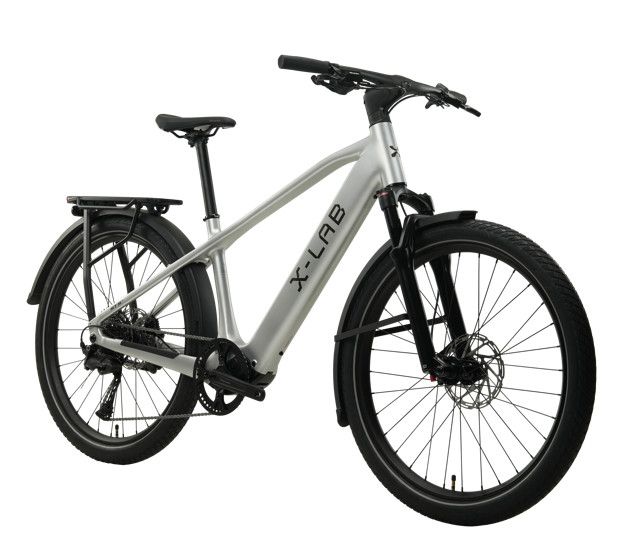
Electric bikes can support long journeys when the bike, battery, route, and rider are properly matched. Their motor assistance reduces effort, but range planning and physical comfort still determine whether a long ride remains practical.
What Makes an Electric Bike Suitable for Long Rides?
The right electric bike depends on expected distance, terrain, assistance use, cargo, fit, and access to charging. Riders can explore suitable options with an e-bike dealer such as Elevated E Bikes.
Important factors include:
- Battery capacity and estimated riding range
- Motor type and available assistance settings
- Rider position and frame geometry
- Saddle comfort and handlebar reach
- Tire width and rolling resistance
- Total weight of the rider and cargo
- Number and severity of hills
- Availability of charging points
- Local weather and wind conditions
- Braking performance on loaded rides
- Rack, bag, and bottle mounting options
- Access to replacement parts and service
An electric bike does not need the largest battery or most powerful motor to handle distance well. It needs a balanced setup that suits the route and allows the rider to use energy efficiently.
How Electric Bikes Handle Long Distance Travel
Electric bikes can make longer routes accessible to people with different fitness levels. However, the experience depends on real riding conditions rather than one advertised range figure.
- Battery Capacity Affects Potential Range
Battery capacity is commonly expressed in watt hours. A larger figure generally stores more energy, but it does not tell you exactly how far the bike will travel.
Rider weight, hills, wind, temperature, tire pressure, and assistance level affect consumption. Real range varies from ride to ride, even when the battery starts full.
- Assistance Level Changes Energy Use
Higher assistance makes climbing and acceleration easier, but it also uses stored energy faster. Lower settings usually preserve more charge for later parts of the route.
Long distance riders often change modes during the journey. Saving stronger assistance for difficult sections can provide better control over the remaining battery range.
- Terrain Can Reduce the Expected Distance
Flat routes normally require less motor energy than repeated climbs. Steep hills demand more power, especially when the bike carries bags or other additional weight.
Review the route profile before leaving. Elevation matters as much as mileage because a shorter mountain route may use more energy than a longer, flatter journey.
- Bike Fit Influences Endurance
Motor assistance reduces pedaling effort, but it cannot correct poor fit. An unsuitable saddle height or excessive handlebar reach can cause discomfort over several hours.
When comparing electric bikes for long rides, consider riding position alongside range and motor specifications. Comfort becomes more important as distance increases.
- Tire Choice Affects Efficiency and Comfort
Wider tires may provide stability and cushioning on rough surfaces. However, tread pattern, pressure, and tire construction can influence rolling resistance and battery demand.
Use pressure within the manufacturer’s recommended range. Properly inflated tires support efficient travel while maintaining the grip and comfort required by the route.
- Carrying Weight Changes Performance
Panniers, tools, water, clothing, and locks add useful but noticeable weight. A loaded bike may accelerate more slowly and require more energy on hills.
Pack according to actual needs and distribute weight securely. Thoughtful packing protects handling and prevents unnecessary cargo from reducing the available range.
- Weather Can Change the Journey
A strong headwind increases resistance and can raise battery use. Cold conditions may temporarily reduce battery performance, while extreme heat can place stress on the cells.
Plan extra range for difficult weather. A conservative estimate leaves a useful reserve if wind, temperature, rain, or route conditions become worse than expected.
The table below shows how common ride conditions may affect energy use and planning:
| Ride Condition | Likely Effect | Practical Response |
| Flat paved route | Lower energy demand | Use a low or moderate assistance mode |
| Repeated steep climbs | Higher battery use | Save charge before reaching the hills |
| Strong headwind | Reduced practical range | Lower speed and allow a larger reserve |
| Heavy cargo | More effort during climbs | Pack lightly and distribute weight evenly |
| Cold weather | Temporary range reduction | Store the battery indoors before departure |
| Frequent stops | More acceleration demand | Start smoothly and select suitable gears |
| Rough surfaces | Greater resistance | Use appropriate tires and steady pacing |
What Should You Plan Before a Long Ride?
A successful long journey depends on preparation before departure. Riders should calculate a realistic range, inspect the bicycle, check applicable e-bike laws, and prepare for delays or unexpected energy use.
- Estimate Range Conservatively
Manufacturer range figures may cover several riding conditions and assistance settings. Treat the highest number as a possibility rather than a promise for every journey.
Plan around your own riding history when available. Past energy use provides a stronger estimate because it reflects your weight, route, pace, and assistance habits.
- Locate Charging Opportunities
Identify suitable charging points before starting a route that approaches the bike’s normal range. Confirm that you have permission and enough time to use them.
Carry the correct charger and protect it from impact or moisture. A planned charging stop reduces uncertainty and can provide a useful rest for the rider.
- Inspect the Bike Before Leaving
Check tire pressure, brakes, chain condition, wheel security, lights, battery mounting, and display operation. Small mechanical issues can become larger problems far from home.
Test the bike during a shorter ride after maintenance. A complete inspection improves reliability and gives you time to correct faults before the longer journey.
- Prepare for a Flat Tire
A puncture can stop a trip even when the motor and battery work perfectly. Carry tools and repair supplies that match the bike’s wheel and tire system.
Know how to use the equipment before departure. Practical repair knowledge matters, especially on routes without nearby bicycle shops or public transportation.
- Carry Water and Suitable Food
Motor assistance does not remove the physical demands of riding for several hours. Riders still need water, food, rest, and protection from changing weather.
Drink regularly and carry food that is easy to access. Personal energy affects safe decisions just as much as the charge shown on the bike’s display.
- Keep a Battery Reserve
Avoid planning to reach the destination with no charge remaining. Detours, missed turns, headwinds, and steeper sections can increase energy use unexpectedly.
Set a minimum reserve for the final part of the trip. Extra capacity provides flexibility when conditions change or a planned charging location becomes unavailable.
- Know What Happens Without Assistance
An electric bike can normally be pedaled when assistance ends, but its weight may make the final distance difficult. The experience varies by bike and terrain.
Try riding briefly with the motor turned off before a long trip. Knowing the unassisted feel helps you judge whether your route includes a safe backup option.
How Can You Make Long Rides More Comfortable and Reliable?
Distance becomes easier when the rider, bicycle, and route are prepared together. A few practical choices can reduce fatigue, protect battery range, and prevent common delays.
Before departure:
- Charge the battery using the approved charger
- Confirm that the battery locks securely
- Review distance, elevation, and surface conditions
- Check the weather along the entire route
- Plan rest and charging locations
- Adjust the saddle to a tested position
- Wear clothing suited to changing conditions
- Carry water, food, identification, and a phone
- Pack a compatible tube or repair kit
- Bring essential tools for minor adjustments
- Use front and rear lights where needed
- Secure cargo so it cannot shift
- Tell someone your route and expected arrival time
During the ride:
- Begin with a moderate assistance setting
- Shift into easier gears before steep climbs
- Accelerate smoothly after stopping
- Watch remaining charge and distance together
- Reduce assistance if energy use is higher than expected
- Take short breaks before fatigue affects control
- Inspect the bike after rough sections
- Change the route if conditions become unsafe
Conclusion
Electric bikes can be suitable for long distance riding when their range, fit, and carrying capacity match the journey. Riders should account for hills, weather, cargo, assistance use, and charging access rather than relying only on advertised figures. A conservative range estimate, bike inspection, repair kit, and battery reserve can make a longer trip safer, more comfortable, and easier to complete.