
Introduction
There’s a reason people keep coming back to the Annapurna Circuit trek year after year, even with newer, flashier routes popping up across Nepal. In a single trek you get rice terraces and pine forest, then a few days later you’re walking through a country that looks more like Tibet than anything tropical, and eventually you’re standing at a windy pass wondering if your legs will get you down the other side. That kind of range is hard to find on one trail.
The real question most people are asking isn’t “should I do this trek” — it’s “how do I plan it properly, and is it actually right for my fitness and time budget.” Some trekkers also want to know if it’s worth tacking on the Annapurna Circuit trek with Tilicho Lake, since that side trip keeps showing up in trip reports and forums. A good trekking company can take a lot of the guesswork out of these decisions, without needing to oversell anything — this is where an outfit like Adventure Great Himalaya tends to come into the conversation, simply because sorting permits, guides and logistics yourself in Nepal isn’t always straightforward.
Annapurna Circuit Trek at a Glance
The Annapurna Circuit runs through the Annapurna region of central Nepal, looping around the Annapurna massif rather than heading straight to a single destination. Most itineraries fall somewhere between 12 and 18 days, depending on where you start driving from and how many rest days you build in. Treks typically begin near Besisahar and wrap up around Jomsom or Pokhara, with Thorong La Pass — sitting at roughly 5,416 meters — as the high point of the whole route. It’s graded as a moderately strenuous trek rather than a technical one; the challenge comes from altitude and long walking days, not climbing skills. Autumn and spring are the two main seasons. You’ll be staying in tea houses the whole way, and under current Nepal trekking regulations, independent trekkers are required to hire a licensed guide in most protected areas, including this one. It suits fit, motivated hikers who want variety in scenery and don’t mind a demanding pass day near the end.
What Makes the Annapurna Circuit Trek Different?
From Lower Valleys to Alpine Terrain
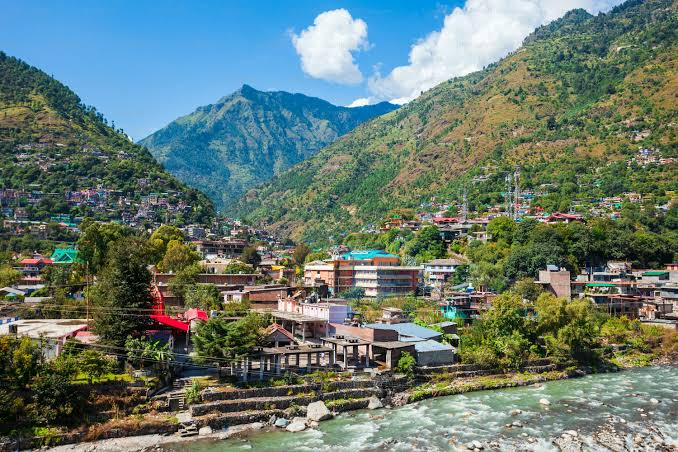
What sets this trek apart is the sheer pace of change. You start in green, terraced valleys where farmers are still working the fields, pass through villages strung along the river, and then somewhere past Manang the whole landscape flips. Trees thin out, the air gets drier, and you’re suddenly in the rain-shadow side of the Himalaya that looks a lot like the Mustang plateau. It’s a gradual shift, day by day, rather than one dramatic reveal, and that slow build is part of what makes the trek memorable.
The Thorong La Experience
Thorong La is the obvious centerpiece — most people cross before dawn, both to avoid afternoon winds and to give themselves enough daylight for the long descent into Muktinath. Weather up there can turn fast, and altitude makes even a short climb feel harder than it should. This isn’t a day to rush. Trekkers who pace themselves, eat properly the night before, and listen to their guide’s judgment tend to have a far better crossing than those trying to set a personal record.
Annapurna Circuit Trek with Tilicho Lake: Is the Detour Worth It?
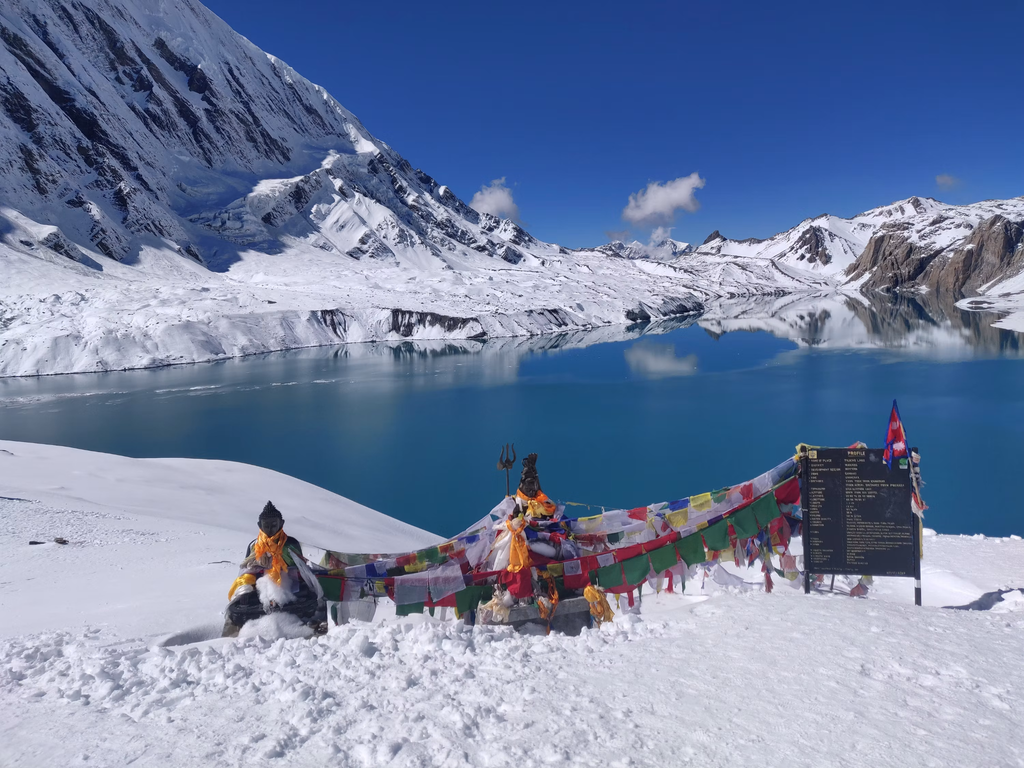
This is probably the biggest planning question after “how many days do I need.” Tilicho Lake sits above 4,900 meters and is often described as one of the highest lakes of its size in the world — whether or not that claim holds up to the letter, it’s an undeniably striking place, ringed by scree slopes with almost no vegetation in sight.
The side trip branches off around Manang, usually routing through Khangsar before climbing to the lake and rejoining the main circuit later. It adds a couple of extra days and a fair bit of extra elevation gain, which is exactly why it shouldn’t be bolted onto a rushed schedule. Trekkers considering the Annapurna Circuit trek with Tilicho Lake need solid acclimatization behind them before attempting it — ideally you’ve already spent a night or two around Manang’s elevation and are feeling fine, not just “okay.”
The difference between a standard circuit itinerary and one that includes Tilicho really comes down to time and altitude tolerance. If you’ve got a tight schedule, or you’re already struggling with headaches or poor sleep by the time you reach Manang, it’s genuinely fine to skip it and stay on the main route toward Thorong La. Tilicho is a bonus, not a box that has to be ticked.
Recommended Trek Duration and Route Planning
Shorter Annapurna Circuit Itinerary
Trimmed-down itineraries, sometimes 10 to 12 days, work for trekkers short on time, but they usually mean fewer acclimatization days and longer walking stretches. That’s the trade-off — less time in Nepal, but a higher risk of feeling rough at altitude because your body hasn’t had a chance to adjust.
Comfortable Standard Itinerary
A more realistic pace, closer to 14 to 16 days, gives you proper rest days, time to actually enjoy villages like Manang instead of just passing through, and a buffer if weather delays the pass crossing.
Circuit + Tilicho Lake
Adding Tilicho stretches things further, and those extra days are best used for recovery rather than back-to-back high-altitude pushes. Doing Tilicho one day and Thorong La the next, without a breather, is asking for trouble.
A rough route flow looks like this: Kathmandu → Besisahar/roadhead → Manang → Tilicho Lake option → Thorong La → Muktinath → Jomsom/Pokhara. Keep in mind that exact roadheads shift depending on road conditions and jeep availability that season, so treat this as a general shape rather than a fixed schedule.
Best Time for the Annapurna Circuit Trek
Autumn (roughly October to November) is the classic window — stable weather, clear mountain views, and trails that are noticeably busier because everyone else has the same idea. Spring (March to May) runs a close second, with rhododendron forests in bloom lower down and generally reliable conditions, though afternoon haze can occasionally soften the mountain views.
Monsoon season (June to September) is best avoided on this particular route — rain, leeches at lower elevations, muddy trails, and the real possibility of flight or road disruptions around Pokhara make planning difficult. Winter (December to February) is doable but cold, and Thorong La can close or become genuinely risky after heavy snowfall, so anyone considering a winter crossing should check conditions carefully before committing.
Difficulty, Altitude and Acclimatization
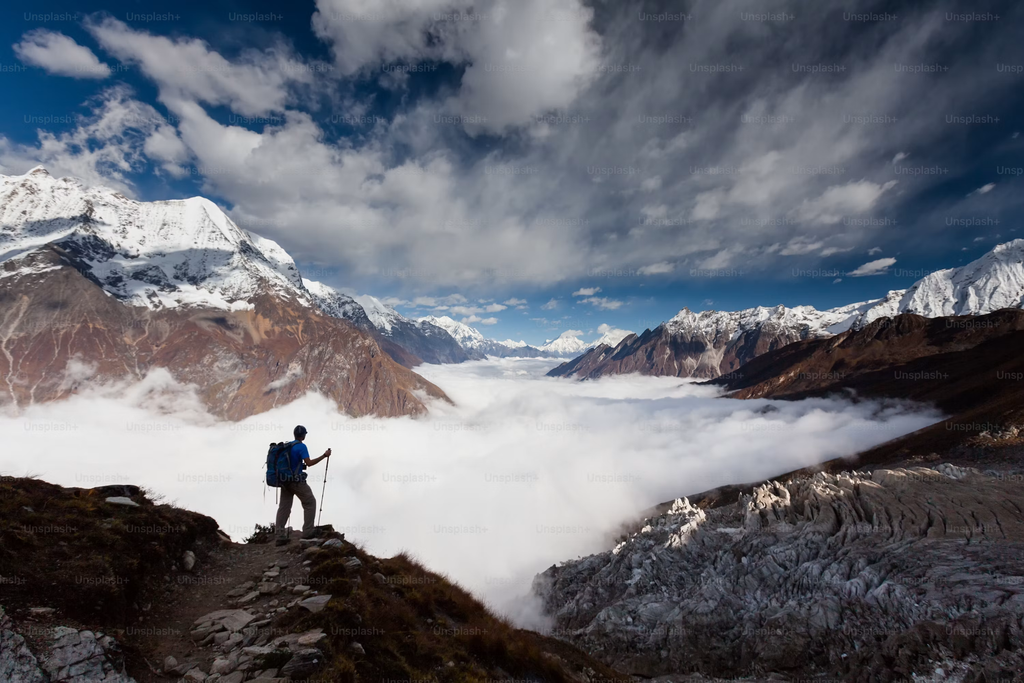
The Annapurna Circuit isn’t technically difficult — no ropes, no scrambling — but altitude changes the equation completely. Elevation gain matters more than daily mileage; a short, steep climb above 4,000 meters can wear you out more than a long, flat day lower down. That’s why a sensible itinerary builds in gradual ascent and at least one or two dedicated acclimatization days, usually around Manang.
Basic habits help enormously: drink more water than feels necessary, eat even when you’re not hungry, and slow your pace once you’re above 3,500 meters or so. Headaches, nausea, and disturbed sleep are common and usually mild, but symptoms like confusion, breathlessness at rest, or a persistent, worsening headache should never be brushed off. The right response to serious symptoms is descending, not pushing on and hoping it passes. It’s also worth remembering that weather can turn a straightforward pass day into a genuinely hard one — snow and wind at Thorong La change the difficulty far more than fitness level does.
Accommodation, Food, Water and Connectivity
Tea houses along the route range from basic to fairly comfortable, with private rooms more common at lower elevations and shared rooms or thinner walls becoming more likely higher up. Hot showers exist in many places but often cost extra, and don’t count on one every night once you’re past Manang.
Food is simple and mostly carb-heavy — dal bhat is the trekking staple for good reason, alongside noodle soups, fried rice, momos, and eggs cooked however you like. Bottled water is available but expensive and not great environmentally; many trekkers filter or treat water instead. Charging phones and cameras usually costs a small fee per device, and Wi-Fi or mobile signal is hit-or-miss depending on the village — don’t assume you’ll have reliable connectivity once you’re deep into the mountains. Carrying some cash in smaller denominations is genuinely useful, since card payments aren’t a thing out here.
What Does an Annapurna Circuit Trek Cost?
Rather than quoting a single number that may not hold up depending on season or operator, it’s more useful to understand what a trekking package typically covers. Costs usually break down into guide fees, a porter if you want one, required permits (TIMS card and Annapurna Conservation Area Permit), tea-house accommodation, some or all meals depending on the package, and ground transport to and from the trailhead. On top of that, factor in travel insurance, personal spending money, tips for guides and porters, and a little cushion in case bad weather adds an extra night somewhere.
A practical move is to ask any Nepal trekking agency for an itemized breakdown rather than comparing headline prices side by side — two quotes that look similar on the surface can include very different levels of support once you dig into what’s actually included.
Choosing a Nepal Trekking Agency for the Annapurna Circuit
This is where a lot of trip satisfaction actually gets decided, often before the trek even starts. Worth checking: is the company properly registered with Nepali tourism authorities, do their guides have real experience on this specific route, and will they give you a clear day-by-day itinerary rather than a vague
outline? Ask how they handle permits, what transport arrangements look like at each end, and what their emergency response actually involves if someone gets altitude sickness or the weather turns.
Transparency matters more than flashy marketing — a company that clearly lists what’s included and excluded, communicates promptly before you arrive, and proposes a realistic pace rather than a compressed one is usually a safer bet than the cheapest quote in your inbox. Adventure Great Himalaya is one of the operators worth putting on that shortlist when you’re comparing options, alongside whatever due diligence you’d normally do before booking travel in a remote region.
Packing List: What You Actually Need
Clothing should follow a layering system — base layers, an insulating mid layer, a warm jacket for evenings and the pass day, plus a waterproof shell. Trekking trousers, a warm hat, and decent gloves round this out.
Footwear matters more than people expect: broken-in trekking boots (not brand new ones), good moisture-wicking socks, and something comfortable for camp in the evenings.
For essentials, pack a reusable water bottle or filter, a headlamp, sunglasses rated for high UV, sunscreen, any personal medication, a small first-aid kit, a power bank, and copies of your documents along with some cash. What you actually need shifts with the season — winter demands heavier insulation, while autumn and spring allow a lighter kit overall.
Practical Tips Before You Leave Kathmandu
Double-check your permits and transport arrangements before heading out, and keep an eye on weather forecasts as you approach pass days. Keep your passport, permits, and insurance details somewhere accessible, not buried at the bottom of your pack. Break your boots in properly beforehand — this trek is not the place to discover a blister on day two. Resist the urge to overpack; you can always buy basics along the trail. Talk through the itinerary with your guide early on, and if your schedule allows, keep one flexible day in reserve in case weather pushes things back. And don’t skip travel insurance that specifically covers high-altitude trekking — standard policies often exclude it.
Final Thoughts
The Annapurna Circuit rewards people who plan around the experience itself, not just the point-to-point distance. Sensible pacing, real acclimatization days, and a bit of flexibility for weather will do more for your trek than any gear upgrade. If you’ve got the time, the Tilicho Lake detour is worth serious consideration — it’s a longer, more demanding version of the trek, but a rewarding one.
Whichever version of the route you choose, it’s worth sitting down with a company like Adventure Great Himalaya, reviewing the proposed itinerary line by line, asking for a personalized plan if the standard one doesn’t fit your timeline, and getting full clarity on costs and inclusions before you book. That conversation upfront tends to save a lot of headaches once you’re actually on the trail.
Frequently Asked Questions
How difficult is the Annapurna Circuit Trek?
It’s moderately challenging rather than technical. The main difficulty comes from sustained walking days and altitude near Thorong La, not from climbing skill.
How many days do you need for the Annapurna Circuit Trek?
Most itineraries run 12 to 18 days, depending on road access, acclimatization days, and whether you add Tilicho Lake.
Is the Annapurna Circuit Trek with Tilicho Lake harder?
Yes, noticeably — it adds extra altitude gain and walking days, so it’s best attempted only once you’re already acclimatizing well.
What is the best month to do the Annapurna Circuit Trek?
Autumn and spring are generally the most reliable, though conditions can vary year to year, so it’s worth checking recent trail reports closer to your dates.
Do I need a guide for the Annapurna Circuit Trek?
Under current regulations, a licensed guide is required in this region. Confirm exactly what your agency provides — guide only, or guide and porter together.
How do I choose the right Nepal trekking agency for Annapurna Circuit?
Check registration, ask for a clear itinerary, confirm what’s included in the price, verify guide experience, and ask directly how they’d handle an emergency on the trail.