
Unchecked roof leaks can damage inventory and halt business operations overnight. Learn how scheduled inspections and timely repairs protect commercial properties.
When an undetected membrane puncture or a blocked roof drain allows water inside your building, the resulting disruption costs can spiral fast. Ruined inventory, damaged electronics, and forced facility shutdowns turn a minor roofing flaw into a major financial headache for commercial property owners and facility managers.
Taking a proactive approach to roof maintenance changes that dynamic entirely. By scheduling routine inspections and addressing small vulnerabilities early, you keep your commercial building watertight and protect your bottom line from sudden emergencies.
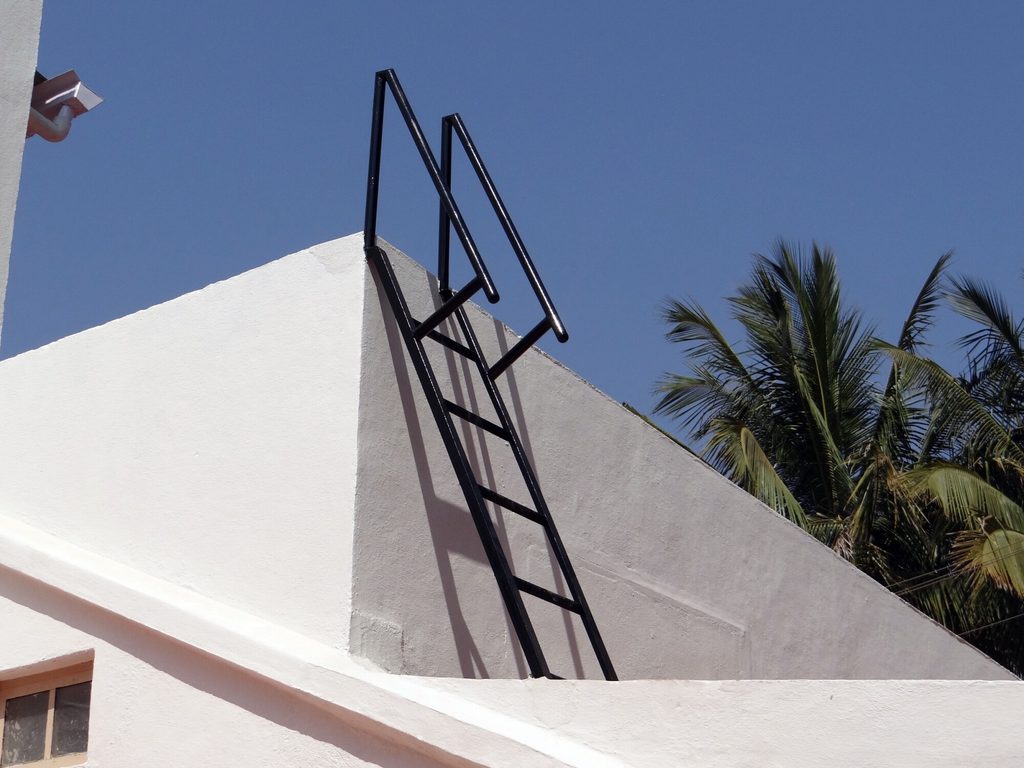
Unchecked roof leaks can damage inventory and halt business operations overnight. Learn how scheduled inspections and timely repairs protect commercial properties.
Why Do Small Commercial Roof Issues Escalate So Quickly?
Commercial flat and low-slope roofs handle constant exposure to sun, wind, and standing water. Because these systems cover massive square footage, a small split in a seam or a pinhole puncture goes unnoticed from the ground until water stains appear on interior ceiling tiles. By the time moisture reaches your workspace, it has usually saturated the underlying insulation, driving up repair costs and weakening your roof’s thermal performance.
According to National Facility Contractors, commercial roofing systems rarely fail simply because of age; they break down when minor defects are left unaddressed. Water trapped beneath a roofing membrane spreads laterally, rotting wood nailers, corroding metal decking, and creating ideal conditions for mold growth inside your facility.
What Should Your Routine Commercial Roof Inspection Cover?
A thorough roof walkover focuses on the high-stress transition points where leaks almost always start rather than just scanning the open field membrane. Working with dedicated commercial roofing teams serving businesses in Newburgh guarantees that these detailed membrane inspections and targeted repairs happen before seasonal weather puts your building to the test. Here are key vulnerabilities on flat roofs:
- Parapet wall flashing: Check where the membrane turns up vertical walls for loose termination bars, cracked caulking, or UV-damaged sealant that lets wind-driven rain slip behind the system.
- HVAC curb seals: Inspect the pitch pans, metal boots, and membrane flashings surrounding rooftop units, since vibrations from heavy equipment frequently loosen seals.
- Drainage scuppers and interior drains: Clear away leaves, trash, and sediment buildup so rainwater flows freely off the roof rather than pooling around drain strainers.
- Membrane seams and field surfaces: Look closely at heat-welded or adhesive seams for lifting edges, and scan walkways near service equipment for dropped tools or sharp debris.
How Does Ponding Water Threaten Your Building Structure?
Standing water that lingers on your roof for more than 48 hours after a rainstorm signals a drainage problem that requires immediate attention. Every inch of standing water adds roughly 5.2 pounds of weight per square foot, placing unnecessary dead-load stress on your roof joists and decking.
Beyond structural weight, ponding water acts like a magnifying glass under direct sunlight, accelerating UV degradation and breaking down adhesives. Dirt and organic debris settle in these low spots, promoting algae and plant growth whose roots can bore directly into single-ply membranes. Clearing clogged scuppers and correcting minor slope issues keeps water moving off your roof and preserves the lifespan of your materials.
Targeted Repairs vs. Coatings vs. Full Replacement
When an inspection uncovers wear and tear, you do not automatically face the expense of tearing off your entire roof. Choosing the right intervention depends on the age of your system, the condition of your insulation, and the extent of moisture intrusion.
If your roof is relatively young and infrared moisture scans confirm that the underlying insulation remains dry, targeted repairs offer the fastest and most budget-friendly fix. Technicians can clean the damaged area, weld or adhere a matching membrane patch over punctures or open seams, and reseal failing pitch pans in a single visit.
Extending Roof Life With Protective Coatings
When a roof membrane shows widespread surface weathering or minor seam fatigue-but still has dry insulation and sound structural decking-a fluid-applied restoration system provides a smart middle ground.
Research from Flat Roof Waterproof Solutions notes that applying a fluid restoration coating typically costs 40% to 60% less than a full tear-off while extending a roof’s service life by 10 to 20 years. These seamless, reflective coatings also lower rooftop temperatures, trimming summer cooling costs for your facility.
How Do You Document Storm Inspections for Insurance Claims?
Severe wind, hail, and heavy rain can damage a commercial roof in minutes, yet subtle bruising on a single-ply membrane might not leak until months later. Scheduling a post-storm inspection right away creates an official timeline linking the damage directly to a specific weather event.
Ask your roofing contractor to capture high-resolution, date-stamped photos of both overall roof sections and close-up shots of hail strikes, lifted flashing, or displaced ballast. Pair these images with a written inspection report detailing the exact location of each defect and an itemized repair estimate. Keeping baseline photos from your regular spring and fall maintenance visits proves to your insurance adjuster that the damage resulted from the storm rather than pre-existing neglect.
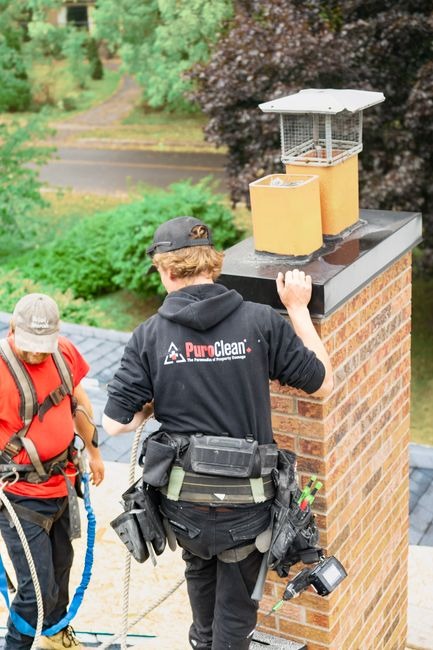
Setting aside a consistent quarterly or semi-annual maintenance allowance helps you catch small seal failures for a few hundred dollars instead of facing $50,000 in emergency interior restoration and roof replacement costs. Consistent preventative maintenance keeps your commercial building watertight, preserves long-term asset value, and shields your business from unexpected capital expenses.