
Growing consumer awareness of gut health is shifting focus from high CFU counts to multi-strain probiotics paired with organic prebiotic fibers. Nutritionists say microbial variety supports digestion better than inflated counts.
Shopping for probiotics often leaves you staring at labels boasting 50 billion or 100 billion bacteria. Nutritionists and informed buyers question that race because massive counts rarely bring relief.
Your microbiome thrives when diverse strains survive stomach acid alongside clean prebiotic fuel. Focus on strain variety, survivability, and organic fibers to pick smarter supplements.
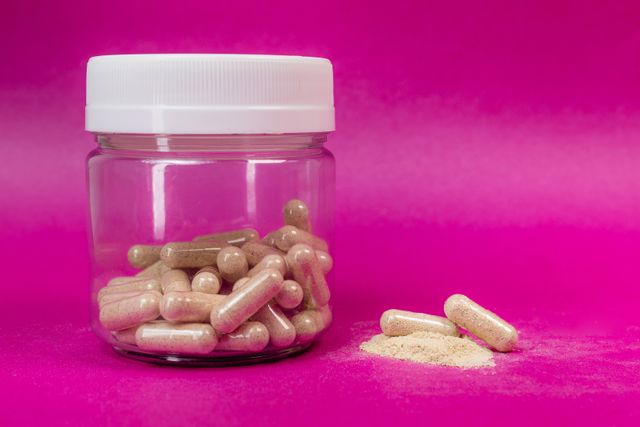
Why Do High Single-Strain Counts Fall Short for Your Gut?
Many brands pack huge doses of 1 cheap strain just to print bold numbers on bottles. Flooding your gut with a single microbe ignores how your ecosystem naturally works.
Guidance from Mayo Clinic Press explains that strong gut health relies on varied microbes living in balanced proportions. Crowding your intestines with identical bacteria resembles planting 1 crop across forests.
Single-strain megadoses can trigger gas when identical microbes compete for limited nutrients. Your digestion runs smoother when complementary strains share tasks across different intestinal zones.
How Does Multi-Strain Synbiotic Design Mirror Natural Gut Ecology?
Smart synbiotics pair diverse strains with organic prebiotics so friendly bacteria cooperate instead of competing. Different microbes specialize in digesting proteins, starches, and fibers along your gut.
Thoughtful formulation prioritizes microbial teamwork rather than chasing big numbers on labels. Choosing a balanced synbiotic like the MicroBiome Restore digestive wellness formula gives your gut multi-strain support with organic prebiotics. Each included strain fills a distinct role to keep daily digestion calm.
When varied bacteria work together, byproducts from 1 group nourish neighboring friendly strains. That steady cross-feeding builds a resilient gut environment that rebounds faster after rich meals.
What Role Do Lactobacillus and Bifidobacterium Play in Easing Bloating?
Clinically studied Lactobacillus strains work mainly in your small intestine during early digestion. Producing mild lactic acid helps these microbes stop gas-forming bacteria from multiplying quickly.
Further down in your colon, Bifidobacterium strains ferment complex plant fibers smoothly and quietly. Healthy Bifidobacterium levels in your large intestine ease afternoon bloating and support regularity.
Both bacterial groups create short-chain fatty acids that energize cells lining your gut wall. Strong cellular seals along that barrier prevent undigested particles from irritating nearby immune tissue.
How Do Soil-Based Bacillus Spores Survive Harsh Stomach Acid?
Standard lactic acid bacteria are fragile microbes that weaken under heat or gastric acid. Without protection, many delicate probiotic cells die before reaching your lower digestive tract.
Soil-based Bacillus strains solve that challenge by forming tough dormant shells called endospores. Those natural coats shield the bacteria against stomach acid, bile salts, and warm storage.
Once Bacillus spores reach the gentler environment of your intestines, they wake and colonize. During this active phase, they calm occasional gas and reinforce strong gut barrier integrity.
Combining Spore-Forming and Lactic Acid Bacteria for Full-Tract Support
Pairing hardy Bacillus spores with Lactobacillus and Bifidobacterium gives your digestive tract complete coverage. Instead of relying on 1 trait, your capsule supplies helpers for every gut zone.
Spore-forming bacteria clear space along your gut lining by crowding out unwanted microbes naturally. Friendly lactic acid strains then settle in to aid enzymes and smooth daily elimination.
Nutritionists value this blended strategy because traditional diets supply fermented foods and soil microbes. Bringing both bacterial families together mirrors the natural microbial variety your digestive system expects.
Why Certified Organic Prebiotic Fibers Matter in Modern Synbiotics
Live probiotic strains struggle to thrive in your gut when arriving without dedicated food. Prebiotic fibers supply the targeted fuel that newly arrived bacteria need to multiply.
Choosing certified organic prebiotics keeps synthetic agricultural sprays and solvents out of your capsule. Whole-food organic fibers from Jerusalem artichoke, acacia, or marine plants ferment gently inside sensitive stomachs.
Refined synthetic fibers often ferment too fast in your upper gut and trigger gas. Slow-fermenting organic prebiotics feed friendly microbes steadily while keeping your stomach calm after meals.
How Do Clean Pullulan Capsules Protect Shelf-Stable Probiotic Quality?
Capsule material plays a major role in keeping humidity-sensitive bacteria alive without daily refrigeration. Naturally fermented Pullulan shells form a tight oxygen barrier that outperforms standard plant cellulose.
Pullulan comes from fermented tapioca and acts as a gentle prebiotic once shells dissolve. Clean brands pair Pullulan capsules with zero fillers, skipping magnesium stearate and titanium dioxide.
- Count distinct strains: Choose formulas listing Bacillus, Lactobacillus, and Bifidobacterium strains clearly.
- Verify organic prebiotics: Confirm that certified organic plant fibers accompany live bacteria.
- Check capsule purity: Pick fermented Pullulan shells free from synthetic binders and preservatives.
Scanning the inactive ingredient panel takes 10 seconds and reveals how much care shaped a formula. Skipping industrial flow agents protects sensitive stomachs and keeps every capsule pure.
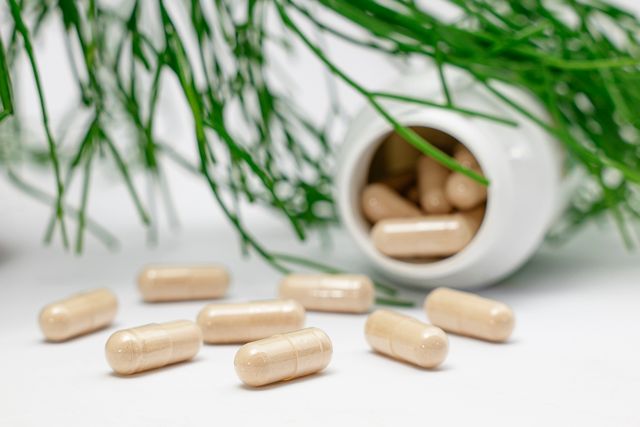
Photo from Pexels.com
Smart gut care starts when you look past flashy billion-count claims and check how formulas work. Prioritizing multi-strain diversity, acid-resistant spores, and organic prebiotic synergy guides better health choices.
Next time you compare probiotics, inspect the strain variety, organic fibers, and Pullulan capsule purity first. Checking those details helps you invest in steady digestion and daily comfort.