
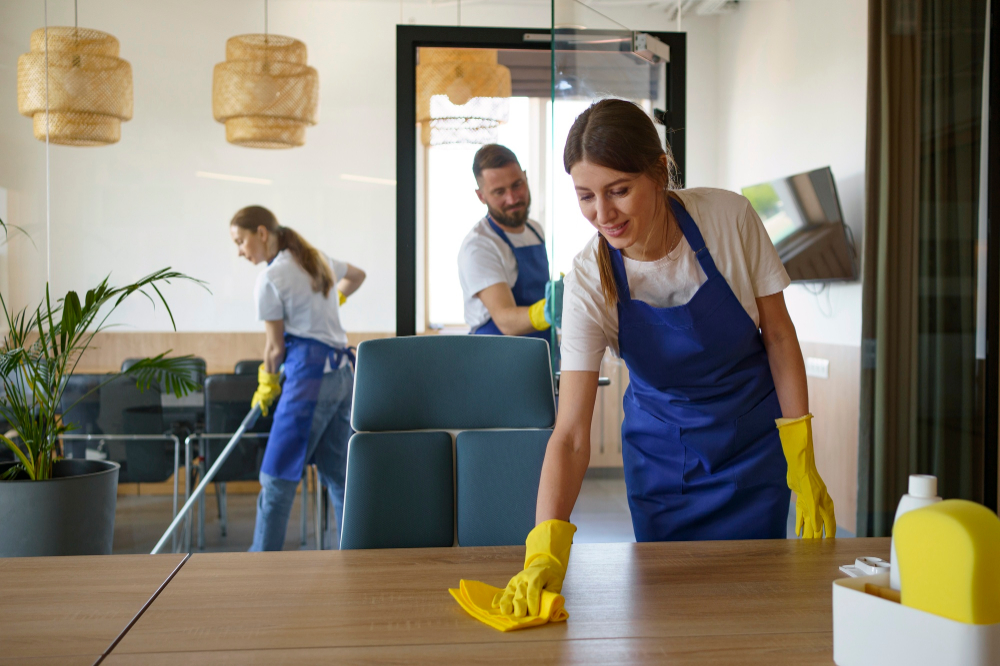
A workplace tells a story long before anyone speaks to a customer, greets a visitor, or begins a business meeting. The condition of the floors, the appearance of shared spaces, and even the smell of a building contribute to how people perceive an organization. Working with professional cleaning providers, such as Cleaning Concepts of St Louis, can help businesses maintain an environment that reflects their commitment to quality and professionalism. However, the benefits of a well-maintained commercial property extend far beyond appearances, influencing employee comfort, operational efficiency, and long-term maintenance expenses.
Every Workplace Has Its Own Cleaning Personality
No two commercial properties experience exactly the same maintenance challenges. An office building occupied by accountants has different requirements from a busy retail store, a fitness center, or a manufacturing facility.
The number of daily visitors, working hours, flooring materials, and activities performed throughout the building all influence how frequently certain areas require attention.
For example, a conference room used occasionally may require less frequent cleaning than an employee break room where food is prepared throughout the day. Similarly, the entrance of a retail establishment may need several rounds of maintenance during periods of rain or snow.
Creating a cleaning schedule around the actual use of a building helps businesses allocate their resources more effectively without overlooking important areas.
The Hidden Cost of Putting Cleaning on the Back Burner
When businesses face tight budgets, facility maintenance sometimes becomes an easy target for spending reductions. Unfortunately, postponing routine cleaning can contribute to more expensive problems later.
Dirt and abrasive particles gradually wear down flooring surfaces as people walk across them. Upholstered furniture accumulates dust and stains, while neglected restroom fixtures may develop stubborn mineral deposits that become increasingly difficult to remove.
Even relatively minor maintenance issues can become costly when they are allowed to progress. Replacing damaged carpeting, refinishing floors, or restoring heavily stained surfaces may require a considerably larger investment than regular upkeep.
Viewing commercial cleaning as preventive maintenance rather than an optional expense can help businesses protect their physical assets and avoid unnecessary disruptions.
The Spaces Nobody Notices Until Something Goes Wrong
Certain areas receive plenty of attention because they are immediately visible to customers and visitors. Others remain largely unnoticed despite being used repeatedly throughout the working day.
Elevator buttons, stairway handrails, light switches, shared office equipment, and cabinet handles are frequently touched but can easily be overlooked during routine maintenance.
Other commonly neglected areas include:
- The spaces behind office furniture and equipment
- Interior window tracks and frames
- Baseboards and doorframes
- The tops of cabinets and shelving units
- Break room appliances and their handles
- Accessible exterior surfaces of ventilation grilles
Although these areas may not immediately affect the overall appearance of a workplace, neglecting them allows dirt, dust, and residue to accumulate over time.
A comprehensive maintenance routine considers the entire property rather than concentrating exclusively on its most visible features.
A Cleaner Workplace Leaves More Room for Productivity
Employees already have enough responsibilities without having to worry about overflowing trash cans, dirty communal kitchens, or unpleasant restroom conditions.
A properly maintained workplace removes many of these everyday distractions, allowing team members to concentrate more comfortably on their responsibilities.
Clean surroundings can also contribute to a more positive working atmosphere. Employees who feel that their workplace receives appropriate care may develop a greater sense of appreciation for their working environment.
There is also a practical advantage to controlling dust, allergens, and contaminants on frequently touched surfaces. Appropriate cleaning practices can support workplace hygiene and reduce exposure to certain environmental irritants.
While professional maintenance cannot eliminate every health risk, it remains an important component of responsible facility management.
Timing Is Everything When Business Never Stops
One of the biggest challenges in commercial property maintenance is finding suitable opportunities to clean without interfering with normal operations.
A busy restaurant cannot always accommodate extensive floor maintenance during lunchtime. Retail establishments need to consider customer traffic, while offices may require quiet surroundings during important meetings.
Flexible cleaning schedules allow businesses to address these challenges.
Early morning cleaning
Completing maintenance before employees arrive ensures that workspaces, reception areas, and restrooms are ready for the day ahead.
After-hours cleaning
Evening services provide an opportunity to perform tasks that might otherwise disrupt employees or customers, including vacuuming large areas and moving lightweight furniture.
Daytime maintenance
High-traffic properties can benefit from ongoing attention throughout operating hours, particularly in entrances, restrooms, and communal dining areas.
The most effective schedule may involve a combination of these approaches rather than relying on a single daily appointment.
Different Surfaces Deserve Different Treatment
Using the same cleaning products and techniques throughout an entire commercial property may seem convenient, but it can cause unintended damage.
Natural stone, hardwood, vinyl, carpeting, stainless steel, and glass each have distinct maintenance requirements. A product suitable for ceramic tiles may damage sensitive stone surfaces, while excessive moisture can create problems for certain types of wooden flooring.
Professional maintenance requires an understanding of material compatibility, appropriate equipment, and recommended cleaning procedures.
Commercial carpeting, for instance, benefits from regular vacuuming combined with periodic deep cleaning. Hard flooring may require specialized scrubbing or refinishing, depending on its material and condition.
Choosing the correct methods helps preserve the original appearance of surfaces while extending their useful lifespan.
When Going Green Makes Practical Business Sense
Environmentally responsible cleaning practices have become an increasingly important consideration for businesses looking to reduce their environmental impact.
However, sustainable maintenance involves more than simply purchasing products with environmentally friendly labels.
It can also include using washable microfiber cloths, reducing unnecessary chemical consumption, selecting concentrated cleaning solutions, minimizing packaging waste, and using water-efficient equipment.
Proper product dilution is particularly important. Using more cleaning solution than recommended does not necessarily produce better results and may leave unwanted residue on surfaces.
Businesses can also consider products with recognized environmental certifications while ensuring that those products remain suitable for their specific hygiene requirements.
Small improvements across a large commercial property can make a meaningful difference over time.
Consistency Matters More Than Occasional Perfection
A building that receives an extensive deep cleaning once every few months may look impressive immediately afterward, but maintaining that standard requires consistent attention.
Effective facility management combines daily responsibilities with weekly, monthly, and seasonal maintenance tasks. This approach prevents individual problems from accumulating until they require extensive intervention.
Regular inspections and communication between property managers and cleaning professionals also help identify changing requirements. A growing workforce, newly renovated office space, or increased customer traffic may require adjustments to an existing schedule.
Rather than treating a maintenance plan as a permanent arrangement, businesses should periodically review whether it continues to meet their needs.
Cleanliness Is Part of the Business Experience
Customers may never consciously notice a spotless reception desk, freshly maintained flooring, or a well-kept restroom. However, they are far more likely to remember when these areas fall below their expectations.
The same principle applies to employees, business partners, and other visitors. A consistently maintained commercial property communicates attention to detail without requiring a single word.
Investing in professional cleaning is ultimately an investment in the people who occupy a building, the materials that make up its interior, and the reputation of the business itself. When maintenance becomes an established part of daily operations rather than a reaction to visible problems, the entire workplace benefits.