
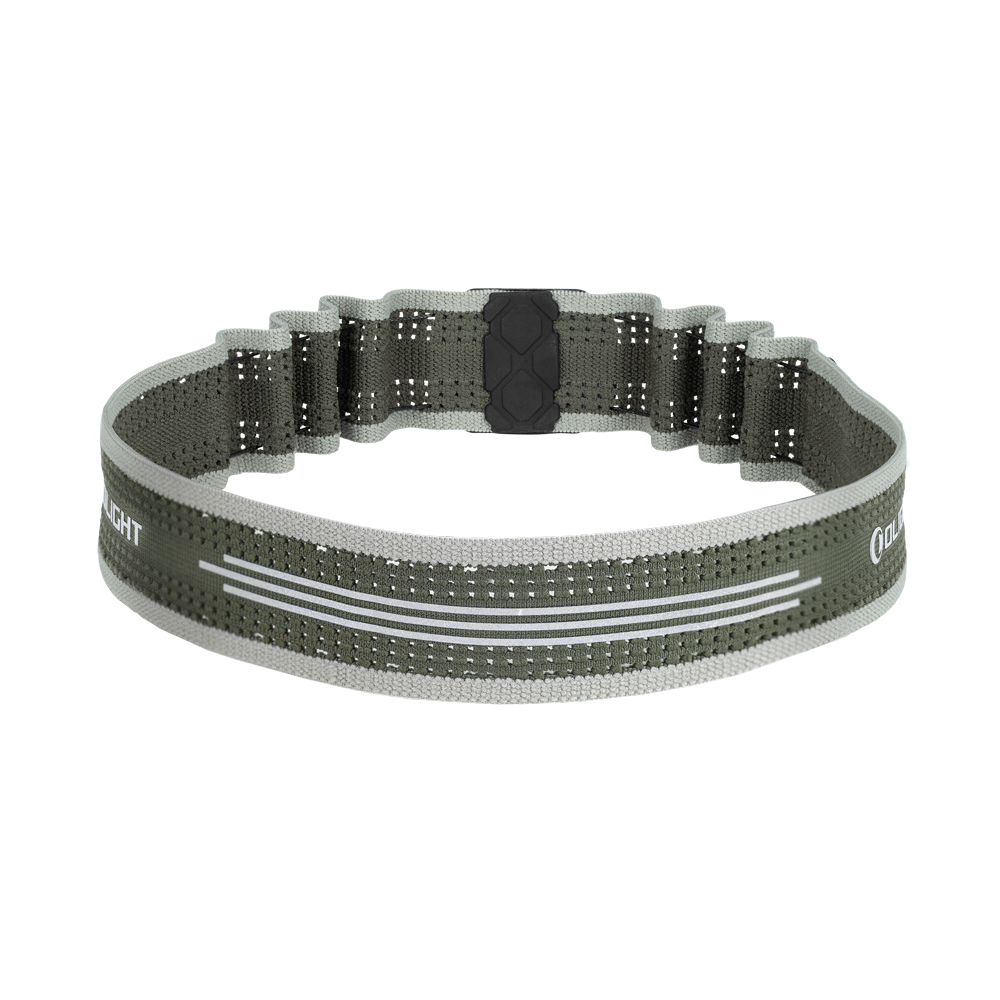
When shopping for a headlamp, many people compare brightness, battery life, and beam distance before looking at the lens. Yet the optical components inside a light play an important role in how effectively it directs illumination. Two models with similar lumen ratings may produce different beam patterns, handle heat differently, and hold up differently to regular use. The lens material is only one part of this equation, but it deserves attention when choosing a light for work, outdoor activities, or everyday tasks.
A quality flashlight or headlamp needs more than a high output rating to perform well. Its optical system should deliver useful illumination, remain practical under normal operating conditions, and suit the environment in which it will be used. Polycarbonate and glass each have advantages, and neither material automatically makes a product better in every situation. Understanding how they differ can help you look beyond marketing numbers and choose lighting equipment based on real needs.
The Part of a Headlamp Nobody Looks At
The lens helps control how light travels from the LED toward the area being illuminated. Depending on the design, it may spread light across a wide space, concentrate it into a narrower beam, or work with other optical components to create several lighting options. A lens that looks simple from the outside can therefore have a significant effect on the finished beam. Its material, surface condition, shape, and compatibility with the rest of the optical system all contribute to performance.
This is why brightness should not be the only specification you consider. Lumens measure total visible light output, but they do not fully explain how that light reaches a target or how evenly it covers the surroundings. A headlamp used for close-up repairs may benefit from a broad, comfortable beam, while one used for outdoor navigation may need a more focused pattern. Lens quality also matters over time because scratches, dirt, and surface deterioration can affect the light passing through it. Looking at the complete optical design gives you a better understanding of what a headlamp can actually do.
Polycarbonate Lenses: Light, Cheap and Prone to Wear
Polycarbonate is a lightweight plastic commonly used in products that need impact resistance without adding much weight. In lighting equipment, it can be useful because it is relatively easy to shape and can withstand many everyday knocks. These qualities make it suitable for headlamps and other portable lights, especially when low weight and durability are important. A well-designed polycarbonate lens can provide effective illumination, so choosing this material does not automatically mean choosing poor optical performance.
However, polycarbonate can be more vulnerable to surface scratching than glass, depending on the coating and how the lens is treated. Some formulations and coatings can also yellow or deteriorate after prolonged exposure to heat, ultraviolet radiation, or unsuitable cleaning chemicals. Dust and oily residue can collect on the surface as well, reducing light transmission if the lens is not cleaned properly. These effects vary with material quality, protective coatings, manufacturing methods, and use conditions. For buyers, the practical lesson is to consider the lens’s protective treatment and expected environment rather than assuming every plastic lens will age in the same way.
What Glass Optics Change: Heat, Scratches and Dust
Glass is valued in optical applications because it can maintain good optical clarity and generally offers better resistance to surface scratching than untreated polycarbonate. It also tends to tolerate higher temperatures than many common plastics, although actual heat resistance depends on the type of glass and the design of the complete light. These properties can be useful in a compact lighting system where the optical components operate close to a heat-producing LED. Glass is not indestructible, however, and it can crack or break under an impact that a flexible plastic component might survive. The right choice depends on how the light is built and the conditions in which it will be used.
Dust and fingerprints can affect glass optics too, so glass does not eliminate the need for maintenance. Its advantage is that the surface may retain its clarity better under ordinary wear when compared with an uncoated plastic lens exposed to similar conditions. Protective coatings, lens shape, seals, and overall construction remain important. A glass lens also does not guarantee that more light will reach the target: the quality of the optical design and the way the LED works with the lens are equally relevant. When comparing materials, look for evidence about the complete system rather than treating glass as a guarantee of superior performance in every situation.
One Optical System, Three Beams: Spot, Pure Flood and Red
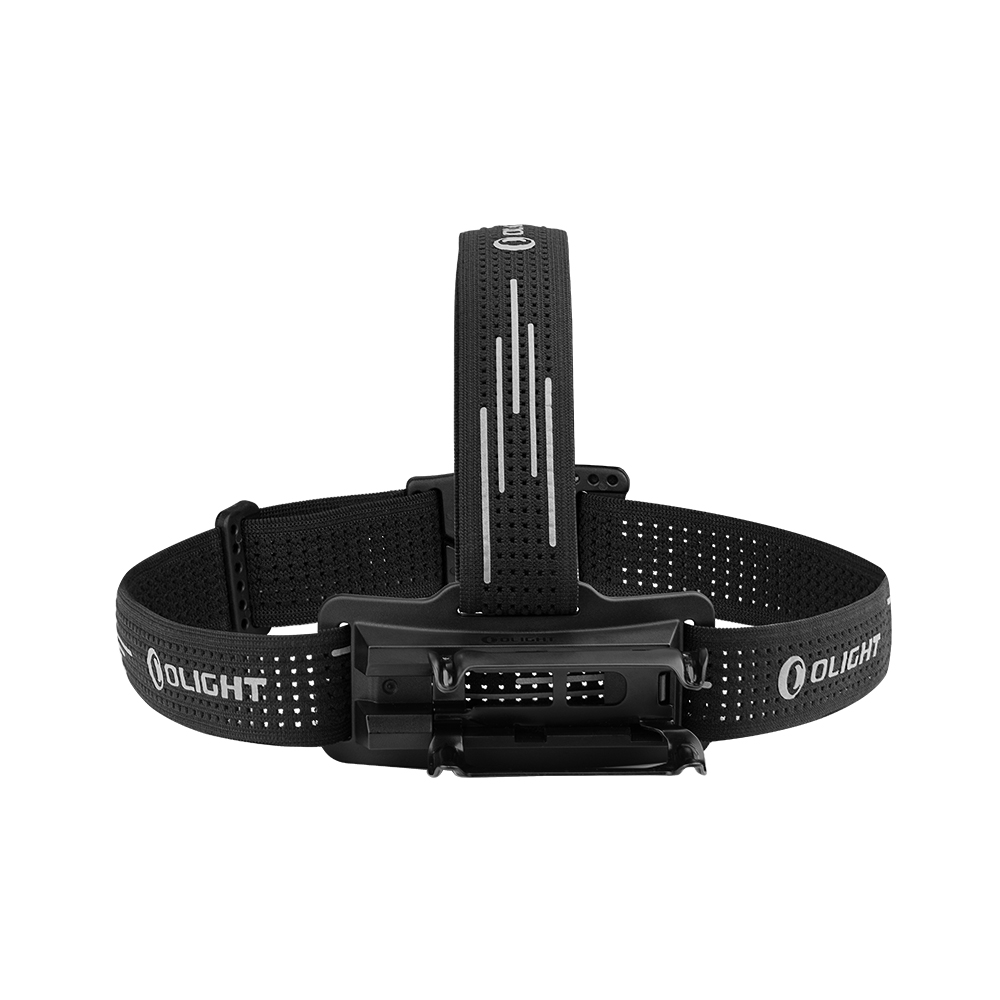
A multi-beam optical system gives users more flexibility than a single fixed beam. Spot lighting concentrates illumination into a narrower area, making it useful for seeing distant objects or directing attention toward a specific point. Pure Flood lighting spreads light more widely, helping with nearby work where the user needs to see several objects together. Red light serves a different purpose: it can be useful for certain nighttime tasks when reducing the disruption caused by bright white light is desirable. Each beam has its own role, and the most useful setting depends on the task rather than simply on which one appears brightest.
Combining these options in one light can reduce the need to carry separate equipment for different situations. Someone repairing machinery may use a flood beam to illuminate the surrounding work area, switch to a spot beam to inspect a distant or recessed component, and select red light for a suitable low-light task. The optical system must still be easy to operate, and users should understand the limitations of each mode. Red light does not guarantee that night vision will remain unchanged, and it may not provide enough detail for every inspection. A versatile design is most useful when its available beams are practical, accessible, and suited to activities the user performs regularly.
How to Judge the Best Headlamp Beyond the Lumen Number
When evaluating the best headlamp, start by asking how you will use it. A high lumen rating can be valuable when strong illumination is needed, but it does not automatically mean the light will provide the most useful beam. Consider the beam’s width, distance, consistency, and suitability for close-up work. Also check the available modes, battery performance, weight, controls, and mounting options. Someone who works beneath a vehicle may prioritize a stable hands-free setup, while a person hiking after dark may place greater importance on weight, beam reach, and convenient operation.
Lens material should be evaluated alongside these practical features. Glass may appeal to users who value optical clarity and resistance to surface wear, while polycarbonate can be attractive when low weight and impact resistance are priorities. Protective coatings and the manufacturer’s guidance can make a meaningful difference to how either material performs over time. It is also worth checking whether the lens is protected from dust and moisture and whether the light is easy to clean. Instead of relying on a single specification, compare the full design and choose the combination of optics, comfort, durability, and output that best matches your intended use.
Olight Perun X and Perun Ultra: Glass Optics in Practice
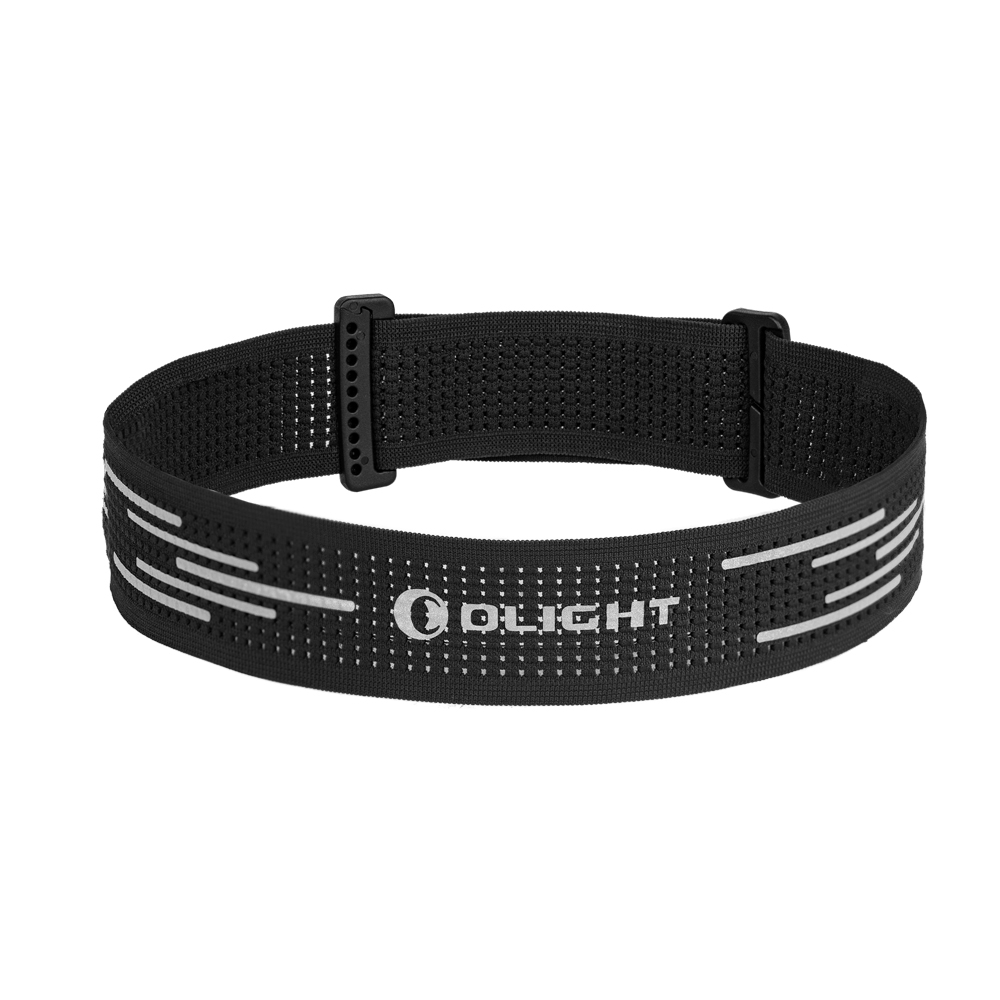
The Olight Perun X illustrates how optical design and multiple beam options can work together in a right-angle light. Its described features include glass optical lenses with up to 90% luminous efficacy, along with Spot, Pure Flood, and Red light sources. The combination is intended to support different viewing needs, from concentrating light toward a target to illuminating a broader nearby area. The Perun X also supports quick-release switching between headlamp and right-angle handheld use, giving users more than one way to position the light. This can be practical for people who move between hands-free work and tasks that require directing the beam manually.
The Olight Perun Ultra is another option for users who place greater importance on higher brightness and its OAL body design. Choosing between the two requires looking at the specific features that matter most to your activities, including output, carrying comfort, beam options, and mounting preferences. A glass optical system may be appealing when surface durability and clarity are priorities, but the complete light still needs to suit the job. Maximum brightness alone does not determine which model will be more useful. Before purchasing, check the current official specifications for the exact model and version, including lens details, runtime, charging method, and included accessories, rather than assuming every feature is shared across the Perun series.
Caring for Your Headlamp Lens
Good lens care helps preserve useful illumination, regardless of whether the lens is made from glass or polycarbonate. Dust, fingerprints, oil, and workshop residue can scatter or block light, making a beam appear less clear. Start by following the manufacturer’s cleaning instructions and using a soft, clean microfiber cloth where recommended. If the lens needs more than dry cleaning, use only a cleaning solution approved for its material and any protective coating. Avoid abrasive cloths, rough paper towels, and strong household chemicals that may scratch the surface or damage a coating.
Storage and handling also affect long-term condition. Keep the light in a place where the lens will not rub against metal tools, grit, or other objects that could scratch it. After using the headlamp in a dusty workshop or outdoors, inspect the lens and remove loose particles before wiping the surface to reduce the risk of abrasion. Check for cracks, loose components, or damaged seals, and follow the manufacturer’s advice if repairs are needed. A clear lens cannot compensate for a poorly matched beam or an unsuitable light, but regular care helps the optical system continue performing as intended. In the end, the best choice combines suitable lens materials, a well-designed optical system, and sensible maintenance.