
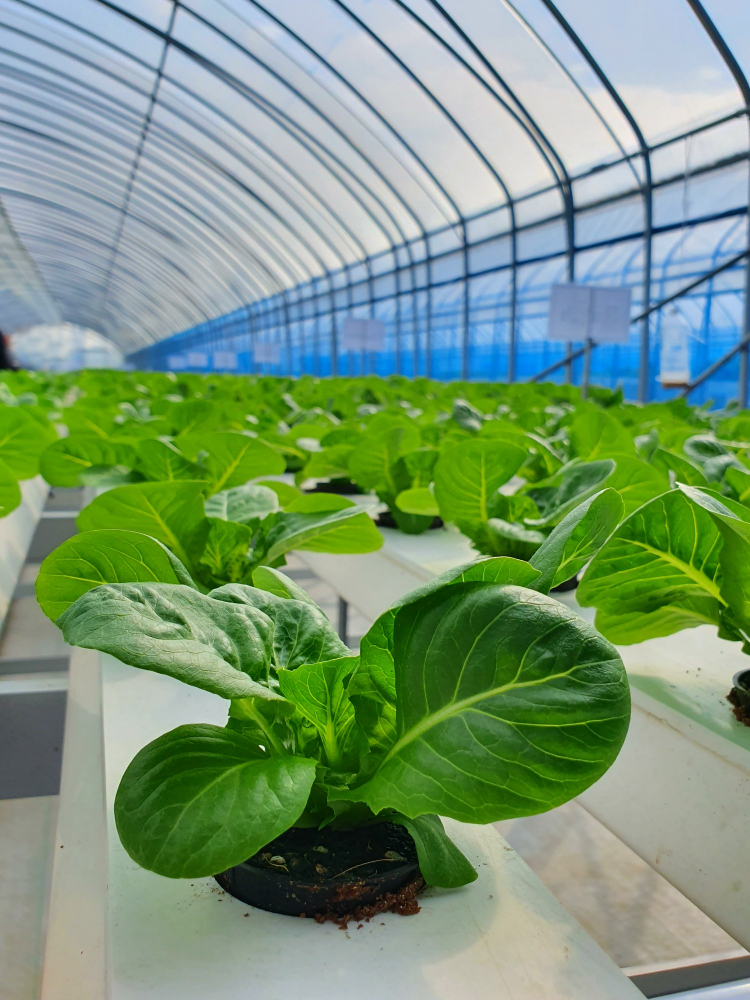
Image by wirestock on Magnific
Walk into a heated greenhouse in Westchester County in January and the air feels different from outside, warmer, yes, but often drier than most people expect. Heating systems that keep plants from freezing also strip moisture from the air, and that trade-off causes real problems for anyone growing tomatoes, greens, or seedlings through the cold months. Local farms, community gardens, and a handful of school greenhouse programs in the county all run into the same issue once the furnace kicks on.
It’s not a dramatic problem. No one notices it the way they’d notice a burst pipe. But over weeks, dry greenhouse air can slow growth, stress seedlings, and open the door to pests that thrive in low humidity.
Why Dry Winter Air Hurts Greenhouse Crops
Most vegetable and flower crops do best somewhere in the 50 to 70 percent relative humidity range, depending on the species and growth stage. Below that, plants lose water through their leaves faster than their roots can replace it, even when the soil is moist. Cornell Cooperative Extension, which runs agricultural outreach across New York State including a Westchester County office, has long advised local growers to track both temperature and humidity rather than temperature alone. The two factors interact directly with plant stress and pest pressure.
Spider mites in particular favor dry conditions, and a greenhouse that runs below 40 percent humidity for stretches at a time can see infestations spread faster than growers expect.
The Common Mistake: Watering More Instead of Humidifying
A frequent response to dry-looking plants is simply to water more. That usually backfires. Overwatering in already dry air can lead to root problems without ever fixing the humidity deficit the plant is actually responding to. The soil gets soggy while the air around the leaves stays parched.
The better fix addresses the air itself, not just the root zone. That distinction matters for anyone managing a greenhouse on a tight budget, since the wrong response wastes water and risks disease without solving the underlying issue.
What a Properly Sized System Looks Like
Commercial growers and larger operations typically use systems designed to add moisture evenly across a growing space without leaving wet patches on leaves or equipment, since standing water on foliage invites fungal problems like botrytis. An industrial humidifier for greenhouses is built around that constraint, producing fine, self-evaporating water droplets meant to raise humidity without saturating surfaces.
Sizing matters more than growers expect. A system undersized for the square footage will cycle constantly and still miss target humidity on the coldest nights, while an oversized one can create localized wet spots near the output point.
Where This Shows Up Locally
Westchester sits mostly in USDA plant hardiness zones 6b and 7a, according to the USDA Plant Hardiness Zone Map, meaning winter lows regularly test whatever heating and humidity setup a greenhouse is running. County-supported farm programs and school agricultural projects that keep greenhouses active through winter are the ones most likely to notice humidity swings, since they’re often running smaller structures without the buffering effect of a large commercial operation’s air volume.
For a small operation, that might mean checking a hygrometer daily during cold snaps. For a larger one, it means building humidity control into the heating plan from the start rather than treating it as an afterthought once plants start showing stress.
As more community gardens and school programs in the county extend their growing seasons into winter, humidity is likely to become a bigger part of the conversation than it has been. Growers who treat it as a core part of greenhouse management, rather than something to fix after the fact, tend to have an easier time keeping crops consistent through the coldest months.