
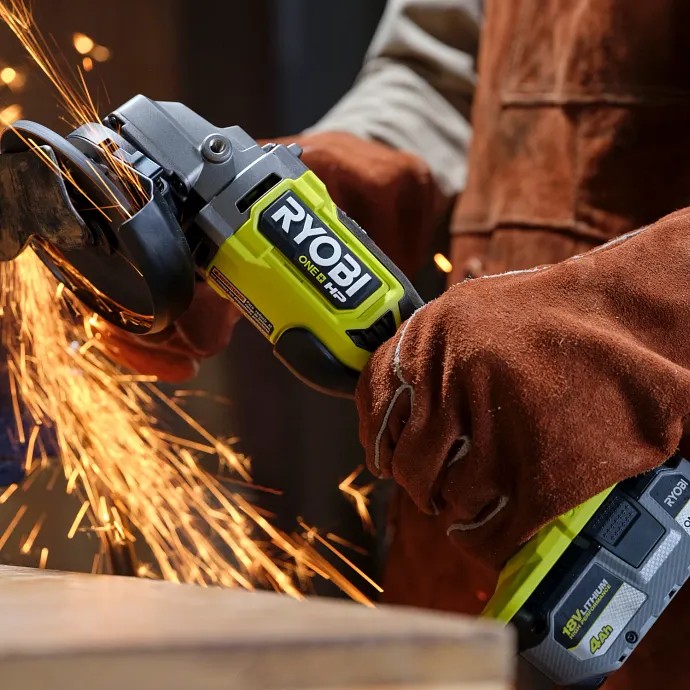
Working with thick metal requires serious mechanical power and tools built to withstand extreme physical friction. Cutting through rusted steel pipes or heavy iron bars is impossible with standard household hand saws. Many DIY enthusiasts turn to angle grinders to slice through these tough materials quickly and efficiently.
However, standard grinders operate at one aggressive speed, which is not suitable for every task. Upgrading to a variable speed model gives you absolute control over the entire metal cutting process. In this blog, you will explore how variable speed angle grinders cut through the toughest metals in your workshop.
Matching Speed to the Material
Cutting soft aluminium at maximum speed causes the metal to melt and clog the cutting wheel. This clogging ruins the abrasive disc and creates a dangerous situation where the tool might kick back. Exploring a range of power tools online helps you find grinders with adjustable speed settings easily.
Variable speed allows you to dial down the RPMs when working with sensitive or softer metallic materials. A slower spin prevents melting, ensuring the blade cuts cleanly rather than smearing the hot metal. This adaptability ensures you always use the perfect mechanical approach for the specific metal at hand.
Increasing Precision for Delicate Cuts
Sometimes, a metalworking project requires intricate, delicate cuts rather than heavy demolition work. A grinder spinning at ten thousand revolutions per minute feels aggressive and challenging to control smoothly. The gyroscopic force fights your hands, making it difficult to follow a straight pencil line. This lack of control leads to messy, jagged cuts that require extensive filing afterwards.
Lowering the speed transforms the machine into a docile, controllable cutting instrument. The reduced gyroscopic pull allows you to guide the blade with precision along exact markings. You can make plunge cuts or carefully trim small brackets without destroying the surrounding metal.
Transitioning Seamlessly to Polishing Tasks
An angle grinder is not just a demolition tool; it is also highly effective for metal finishing. After cutting a steel pipe, you often need to grind the sharp burrs and polish the surface. Using a standard high-speed grinder with a polishing pad will burn the metal and destroy the pad.
A variable speed grinder allows you to drop the RPMs to a safe level for wire brushes. You can gently strip away surface rust without gouging the healthy steel hidden underneath. After that, you can use a polishing mop to make the metal shine like a mirror. This versatility makes the tool valuable for restoring old automotive parts or vintage tools.
Preventing Heat Discolouration on Stainless Steel
Stainless steel is a beautiful but difficult metal to cut without ruining its pristine finish. High-speed cutting generates massive heat that quickly turns the shiny steel into an ugly blue hue. This heat tinting is difficult to polish out and ruins decorative architectural metalwork entirely.
For stainless steel projects, lower speeds prevent heat discolouration by:
- Controlling Friction Heat: Slower speeds significantly reduce the thermal energy transferred directly into the stainless steel surface
- Preserving Visual Aesthetics: It stops the metal from burning, keeping the shiny silver finish intact and presentable
- Protecting Metal Tempering: It prevents the intense heat from accidentally softening the structural hardness of the steel
- Improving Disc Lifespan: A slower, cooler cut stops expensive specialised cutting discs from prematurely glazing over during use
Enhancing Operator Safety and Comfort
Using a heavy angle grinder is physically exhausting due to constant vibrations and the fear of kickback. Hitting a hidden snag at maximum speed can wrench the tool out of your bare hands. Operating at a reduced speed significantly lowers this kickback risk when cutting through awkward metal shapes.
Here are the key safety and comfort advantages of using a variable-speed grinding tool:
- Reducing Violent Kickback: Slower speeds give you more time to react if the blade binds in the cut unexpectedly
- Minimising Numbing Vibrations: Dialling down the RPMs reduces the harsh shaking that causes severe hand fatigue over time
- Lowering Noise Levels: A slower motor produces significantly less deafening noise in your enclosed home garage environment
- Controlling Flying Sparks: It generates a smaller, less aggressive shower of hot sparks directed at your safety clothing
Command Your Metalworking Projects Safely
Variable speed angle grinders change how safely and effectively you tackle tough metalworking projects at home. Clogging and stainless steel damage can be avoided by matching RPMs to materials. The reduced speed offers incredible precision and heavily minimises the dangerous risk of violent tool kickback.
A single-speed grinder that is too rough can ruin your fine cuts and wear out your hands. Take charge of your metal fabrication projects and achieve professional, clean results in your garage.