
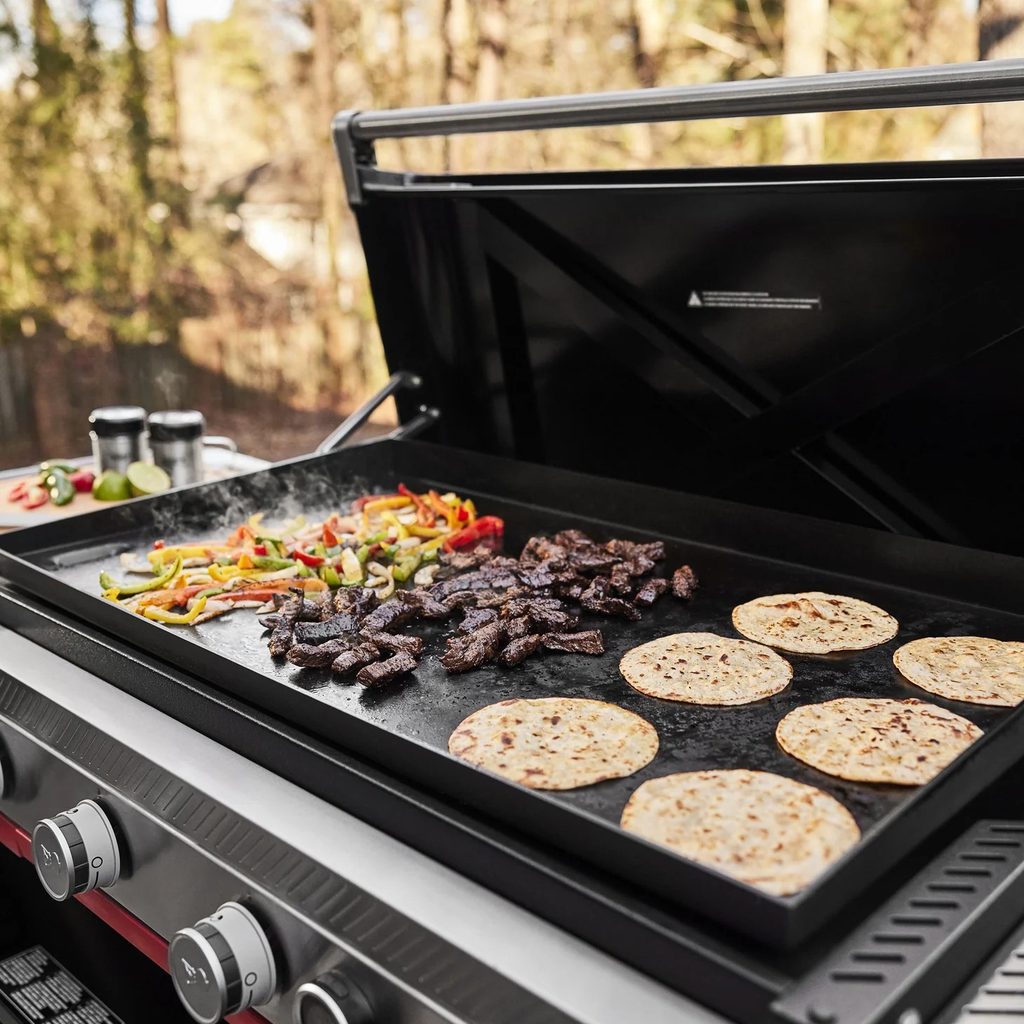
Cooking outdoors requires understanding how high heat physically changes raw ingredients during the preparation process. Many backyard chefs struggle to replicate restaurant-quality crusts because they underestimate the necessity of a scorching cooking surface. Without sufficient heat, raw food tends to steam in its moisture rather than developing a textured, browned exterior.
Mastering these surface temperatures changes your outdoor cooking routine and improves your food quality noticeably. Read this blog to learn what searing temperatures mean for your flat-top grill.
The Science Of High Heat Caramelisation
When raw meat touches a heavy steel plate heated above two hundred degrees Celsius, a chemical change occurs. This thermal reaction creates the brown crust and savoury flavours that define premium outdoor cooking. Upgrading your outdoor setup with a quality griddle bbq gives you the thermal power required for this reaction.
This browning process prevents internal moisture from escaping, keeping your burgers and steaks juicy. Lower temperatures fail to trigger this reaction, resulting in pale meat that lacks texture. Harnessing heat is the secret to unlocking professional flavour profiles in your garden.
Achieving the Perfect Restaurant Crust
Replicating a classic diner burger requires a cooking surface that is hot enough to vaporise beef fat on contact. The heavy steel plate stores thermal energy that transfers directly into the cold food without dropping in temperature. This heat delivery creates a crispy exterior edge that ordinary wire cooking grates cannot achieve.
Here are the primary reasons why high surface temperatures create the ultimate crust on your food:
- Instant Fat Vaporisation: Extreme heat melts and vaporises meat fats to coat the food in flavour
- Uniform Surface Contact: A flat steel plate ensures the food touches the heat directly
- Rapid Moisture Evaporation: Searing temperatures boil away surface water to prevent the meat from steaming
Creating Distinct Temperature Zones
An advantage of thick steel cooking plates is the ability to manage different heat levels simultaneously. You can leave one side of the steel plate on maximum heat for searing thick cuts of meat. Meanwhile, you can turn the opposite side down to create a gentle warming zone for vegetables.
This temperature management allows you to cook different courses at the same time without burning anything. It prevents cross-contamination of flavours and ensures that every component of your meal finishes cooking together.
Protecting the Steel Cooking Surface
Exposing carbon steel to constant heat requires daily maintenance to prevent structural damage and rust. Searing temperatures help bake cooking oils directly into the pores of the steel plate during operation. This thermal bonding process creates a natural non-stick coating that protects the metal from ambient moisture.
Here are the crucial steps required to protect your steel cooking plate when using high heat:
- Applying High Smoke Point Oils: Use potent cooking oils that withstand high temperatures without burning
- Scraping Debris Immediately: Scrape away food remnants while the steel surface remains hot and pliable
- Building The Seasoning Layer: Repeatedly heating thin layers of oil creates a shell that prevents rust
Managing Flare-Ups and Grease Safely
Cooking fatty meats at searing temperatures generates a volume of hot liquid grease during the process. Traditional wire grates allow this grease to drip onto open flames, causing unpredictable fire flare-ups. A solid steel plate blocks the liquid fat from reaching the open gas burners hidden underneath.
The flat surface channels the boiling grease away from the food and into a collection tray. This structural design eliminates the grease fires that frequently ruin cuts of meat for backyard chefs. It allows you to cook with maximum heat without fighting uncontrollable flames.
Master The Flame For Better Dining
Understanding how to manipulate surface temperatures transforms basic outdoor cooking into a refined culinary process. Harnessing the power of heated steel unlocks flavours previously reserved for commercial restaurant kitchens. When you manage heat correctly, you have full control over how your food turns out.
Consistent heat application guarantees properly seared food that will satisfy your dinner guests. Step outside and use searing temperatures to discover your backyard cooking potential.