
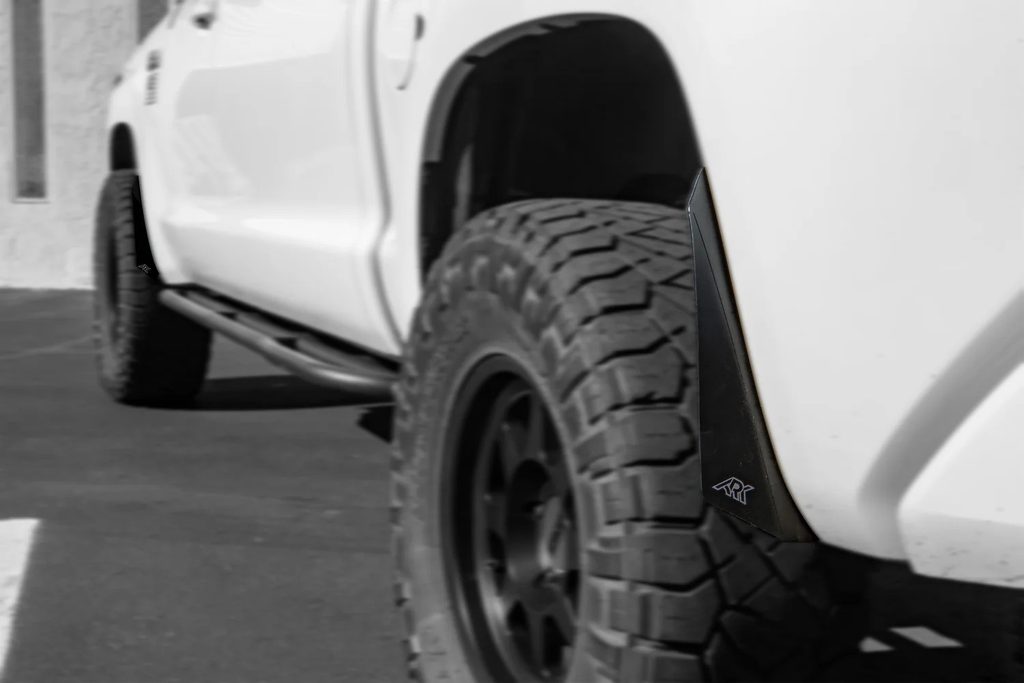
If you drive a Toyota Tundra, you already know this truck is built to work. Whether you are hauling equipment, towing a trailer, or just making the daily commute through rain, gravel, and construction zones, your Tundra is constantly exposed to road debris. That is exactly why Tundra mud flaps are one of the smartest, most practical upgrades you can make. They protect your paint, your undercarriage, and even the vehicles driving behind you from kicked-up rocks, mud, and grime.
But not all mud flaps are created equal. With so many materials, mounting styles, and price points on the market, choosing the right set for your Tundra can feel overwhelming. This guide breaks down exactly what to look for before you buy, so you can make a confident, well-informed decision.
Why Tundra Mud Flaps Matter More Than You Think
Mud flaps might seem like a minor accessory, but their job is anything but small. Every time your tires roll over wet pavement, loose gravel, or muddy terrain, they fling debris upward and backward. Without mud flaps, that debris can chip paint, crack windshields, damage fender wells, and even cause corrosion over time.
For Tundra owners who use their trucks for work, off-roading, or towing, the stakes are even higher. Trailers, tools, and expensive equipment stored behind the truck are all vulnerable to flying rocks and road spray. A good set of tundra mud flaps acts as a barrier, reducing wear and tear on both your truck and anything you are hauling.
There is also a courtesy factor. Nobody likes driving behind a truck that is spraying mud and rocks onto their windshield. Installing mud flaps is a simple way to be a more considerate driver, especially in wet or rural areas where road conditions can get messy fast.
Material Quality Should Be Your First Consideration
The material your mud flaps are made from will determine how well they hold up over time. Most tundra mud flaps are made from one of a few common materials, each with its own strengths and weaknesses.
Rubber mud flaps are a classic choice. They are flexible, durable, and able to withstand extreme temperatures without becoming brittle in the cold or warping in the heat. Rubber tends to be heavier-duty and is often favored by truck owners who use their Tundra for off-road driving or heavy-duty work.
Polyethylene, a type of hard plastic, is another popular option. It is lightweight, resistant to cracking, and holds up well against UV exposure. However, cheaper polyethylene flaps can become brittle over time, especially in colder climates, so it is worth checking the quality of the plastic blend before committing.
Thermoplastic flaps combine some of the best qualities of rubber and plastic. They are flexible like rubber but often lighter and more resistant to fading. If you want something that balances durability with a sleeker look, thermoplastic is worth considering.
Whatever material you choose, make sure it is rated for the climate you drive in. A flap that performs beautifully in a mild, dry region might crack or warp in freezing winters or scorching summers.
Fit and Compatibility With Your Specific Tundra Model
Toyota has made several generations of the Tundra, and each one has slightly different body dimensions, wheel well shapes, and mounting points. Before you buy mud flaps, confirm that they are designed specifically for your truck’s model year.
Some mud flaps are designed as direct-fit, meaning they are molded to match the exact contours of your Tundra’s fender wells. These typically require no drilling and use existing mounting points, making installation straightforward. Others are universal-fit, which means they may require trimming, drilling, or additional hardware to achieve a proper fit.
If you have modified your Tundra with a lift kit, larger tires, or aftermarket fenders, pay extra attention to fitment. A mud flap that works perfectly on a stock Tundra might sit too close to oversized tires or fail to cover the wheel well adequately after a lift. Many manufacturers offer mud flaps specifically designed for lifted trucks, so look for those options if your Tundra has been modified.
Front and rear mud flaps may also have different mounting requirements. Front flaps usually attach near the front fender, just behind the wheel, while rear flaps mount near the back fender. Make sure the set you choose includes correctly sized flaps for both positions if that is what you need.
Mounting Style and Ease of Installation
Mud flaps generally come in a few different mounting styles, and the right one for you depends on your comfort level with DIY installation and how permanent you want the setup to be.
Bolt-on mud flaps are the most common and tend to offer the most secure, long-lasting attachment. These usually involve drilling into the fender well or using existing holes, depending on the brand and design. While this method takes a bit more effort upfront, it typically results in a flap that stays firmly in place even during rough off-road driving or highway speeds.
No-drill mounting systems have become increasingly popular for truck owners who want a cleaner installation process. These typically use existing factory holes or specially designed brackets that clip into place. No-drill options are great for people who do not want to modify their truck’s body or who plan to remove the flaps eventually, such as before reselling the vehicle.
Some premium mud flap sets include molded-in mounting hardware that matches the Tundra’s factory design almost seamlessly. These tend to cost more but offer a more integrated, factory-like appearance once installed.
Before buying, check what kind of installation is required and whether you have the tools and time to complete it. If you are not comfortable drilling into your truck, prioritize no-drill options or plan to have the flaps professionally installed.
Style and Appearance Matter Too
While function should be your top priority, there is no reason your Tundra mud flaps cannot also look good. Many Tundra owners care about maintaining a clean, cohesive aesthetic, especially if they have invested in other exterior upgrades like wheels, grille guards, or lift kits.
Mud flaps come in a variety of styles, from minimalist, low-profile designs that blend in with the truck’s lines to bold, branded flaps featuring the Toyota logo or Tundra lettering. Some are solid black, while others come in textured finishes or two-tone designs.
Consider how the mud flaps will look against your truck’s paint color and trim level. A sleek, understated flap might suit a more polished daily driver, while a rugged, heavy-duty flap with raised lettering could complement a lifted, off-road-focused build.
It is also worth noting that some mud flaps extend further down than others. While a longer flap offers more coverage and protection, it can occasionally look slightly oversized on certain trims. Finding a balance between coverage and aesthetics is a personal choice, but it is worth looking at photos or reviews from other Tundra owners before you decide.
Durability and Weather Resistance
Your Tundra mud flaps will face constant exposure to the elements, so durability is non-negotiable. Look for flaps that are specifically treated or engineered to resist UV rays, since prolonged sun exposure can cause fading, cracking, and brittleness over time.
Cold-weather durability is equally important if you live in an area with harsh winters. Flaps that become stiff or crack in freezing temperatures will not hold up to the impact of road salt, ice, and debris. Many high-quality rubber and thermoplastic flaps are specifically engineered to remain flexible even in sub-zero conditions.
Corrosion resistance is another factor to consider, particularly for any metal mounting hardware included with the flaps. Stainless steel or coated hardware will resist rust far better than standard steel, which is especially important if you drive in areas where road salt is common during winter months.
Reading customer reviews can give you real-world insight into how a product holds up over months or years of use, rather than relying solely on manufacturer claims.
Price Versus Value
It is tempting to simply choose the cheapest tundra mud flaps available, but price should not be your only deciding factor. A low-cost set might save you money upfront but could end up costing more in the long run if it cracks, fades, or falls off within a year.
On the other hand, the most expensive option is not always necessary either. Many mid-range mud flaps offer excellent durability, fitment, and appearance without the premium price tag attached to certain branded accessories.
When comparing prices, look at what is included in the package. Some sets come with all necessary mounting hardware, while others require you to purchase brackets or bolts separately. Factor in these additional costs when making your comparison.
It is also worth checking whether the manufacturer offers a warranty. A company that stands behind its product with a solid warranty is often a good sign of quality and confidence in their design.
Brand Reputation and Reviews
Before finalizing your purchase, take some time to research the brand behind the mud flaps you are considering. Established brands with a long track record in the truck accessory industry often have more refined designs, tested materials, and better customer support if something goes wrong.
Look for reviews from other Tundra owners specifically, since fitment and performance can vary across different truck models. Pay attention to comments about installation difficulty, long-term durability, and how well the flaps held up in various weather conditions.
If possible, check for before-and-after photos from real customers. These can give you a much more accurate sense of how the mud flaps will actually look on your truck compared to manufacturer renderings, which sometimes do not reflect real-world fitment perfectly.
Making the Right Choice for Your Driving Needs
Ultimately, the best tundra mud flaps for you will depend on how you use your truck. A daily commuter driving mostly on paved roads might prioritize appearance and ease of installation, while someone who tows frequently or drives off-road will likely prioritize heavy-duty materials and maximum coverage.
Think about your typical driving conditions, your climate, and whether your truck has any modifications that could affect fitment. Taking the time to match these factors with the right product will ensure you end up with mud flaps that perform well and look great for years to come.
Frequently Asked Questions
Do I need mud flaps for all four tires or just the rear?
Many Tundra owners install mud flaps on all four wheel positions for maximum protection, but if budget or priorities are a concern, rear mud flaps are generally considered the most important since they protect trailers, tailgates, and vehicles driving behind you.
Will mud flaps affect my Tundra’s ground clearance or off-road performance?
Properly sized mud flaps should not significantly affect ground clearance. However, if you drive off-road frequently, look for flexible materials like rubber that can bend without breaking when they make contact with obstacles.
Can I install mud flaps myself, or do I need a professional?
Most mud flap kits, especially no-drill options, are designed for simple DIY installation. A few basic tools and about thirty minutes to an hour per flap is usually all you need. Bolt-on options requiring drilling may take a bit longer.
How often should I replace my mud flaps?
This depends on material quality and driving conditions, but most well-made mud flaps last several years. Signs that it is time to replace them include:
- Cracking or brittleness
- Fading that indicates UV damage
- Flaps that no longer sit flush or have become warped
- Torn or missing mounting hardware
Do mud flaps void my Tundra’s warranty?
In most cases, installing aftermarket mud flaps does not void your vehicle’s warranty, especially no-drill options. However, if drilling is required, it is worth checking with your dealership or reviewing your warranty terms beforehand.
Are OEM Toyota mud flaps better than aftermarket options?
OEM mud flaps offer guaranteed fitment and a factory-matched look, but many aftermarket brands offer comparable or even superior durability and coverage, often at a lower price point. The right choice depends on your priorities for fit, budget, and style.
Final Thoughts
Choosing the right tundra mud flaps does not have to be complicated once you know what to look for. By focusing on material quality, proper fitment, mounting style, durability, and overall value, you can find a set that protects your truck and looks great doing it. Taking the time to research your options now will save you from dealing with cracked flaps, poor fitment, or premature wear down the road, so your Tundra stays protected mile after mile.