
Staying active and independent is an important part of enjoying everyday life, especially as people grow older. Whether it’s visiting a neighborhood park, picking up groceries, or meeting friends for coffee, having a convenient way to get around can make these activities more enjoyable.
Traditional bicycles offer exercise and freedom, but maintaining balance, climbing hills, and carrying shopping bags can become challenging for some older adults. Electric trikes provide another option, combining three-wheel support with motor assistance to make certain everyday journeys more manageable.
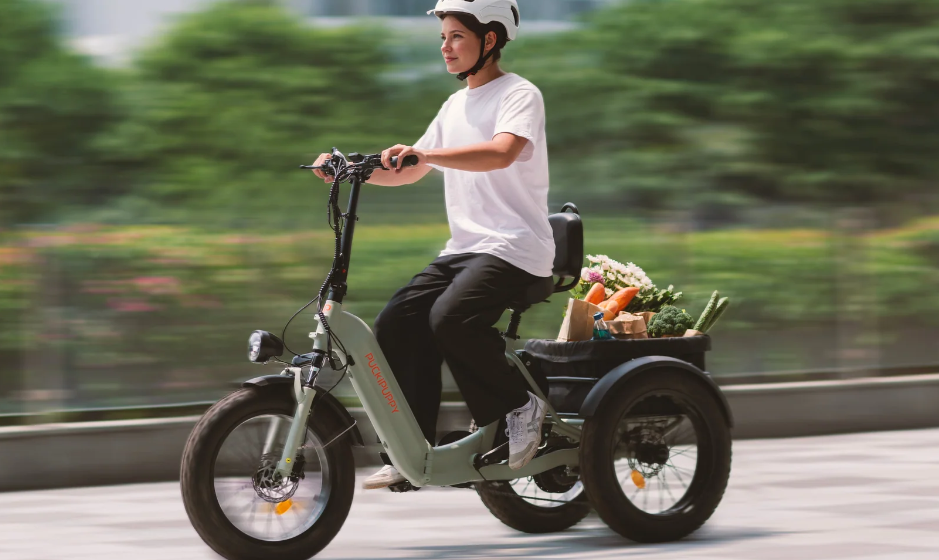
Why Three Wheels Can Make a Difference
One of the main advantages of an electric tricycle is its stability when starting, stopping, or riding at low speeds.
Unlike a two-wheeled bicycle, a trike can remain upright at a complete stop without requiring the rider to balance it. This can be particularly appealing to older adults who feel less comfortable managing a conventional bicycle.
Electric assistance also reduces the effort required to pedal, especially on gentle inclines or during longer neighborhood rides.
However, three wheels don’t eliminate every safety concern. Trikes handle turns differently from bicycles, and sharp cornering at excessive speeds can cause tipping. Learning how the vehicle responds before riding in busy areas is essential.
Making Everyday Errands Easier
For many seniors, the appeal of an electric trike for seniors goes beyond recreational cycling. It can also provide a practical way to handle short everyday trips.
Grocery shopping, visiting nearby stores, or traveling to community activities becomes more convenient when a trike includes dedicated storage space.
For example, the Husky electric trike from Puckipuppy features a rear cargo basket, a supportive seat with a backrest, and suspension designed to absorb bumps. These features make it worth considering for riders who prioritize comfort and carrying capacity during neighborhood outings.
A well-designed trike can help make familiar routines more enjoyable without requiring every short trip to involve driving.
Comfort Matters as Much as Performance
When choosing an electric trike, comfort should take priority over impressive speed figures or motor specifications.
An accessible frame design can make getting on and off easier, while an adjustable seat and suitable handlebar position can help riders find a comfortable posture.
Battery range matters, too. Although manufacturers advertise maximum riding distances, actual performance depends on terrain, rider weight, cargo, weather, and the level of electric assistance used.
It’s also important to consider the trike’s overall width and weight. Three-wheeled vehicles typically require more storage space and may be harder to maneuver through narrow entrances or crowded paths.
A test ride, when available, can help determine whether the trike feels comfortable and manageable.
Riding Safely and Confidently
Before heading out, new riders should practice starting, stopping, braking, and making wide, controlled turns in a quiet, open area.
Keeping speeds low when cornering, distributing cargo evenly, and checking tire pressure regularly can help reduce avoidable risks.
Riders should also wear an appropriately fitted helmet and check local regulations before using public roads or recreational paths.
For seniors with particular mobility or balance concerns, discussing riding suitability with a healthcare professional may also be helpful.
Enjoying Greater Everyday Independence
An electric trike won’t suit every rider, but it can provide a comfortable alternative for older adults who want to continue enjoying neighborhood outings and recreational cycling.
The most important considerations are stability, comfort, practical storage, and safe handling rather than maximum speed.
With the right fit and a little practice, three wheels can offer another way to stay active, manage everyday errands, and enjoy time outdoors.