
Introduction
Choosing fixtures is an important decision when opening a retail business because it affects product visibility, customer flow, and daily operations. Effective retail displays showcase merchandise clearly, while durable store fixtures support browsing, storage, and restocking across different product categories.
When planning the layout, consider the customer’s route from the entrance to the main product areas and checkout. Keep aisles clear, place popular items where they are easy to find, and choose displays that suit the size, weight, and handling needs of the merchandise.
Define the Store’s Needs Before Shopping
Start with the products you plan to sell, the amount of stock you expect to hold, and the way customers will interact with merchandise. A boutique may need garment rails, wall displays, mirrors, and fitting-room accessories. A jewelry shop may require lockable glass showcases and carefully positioned lighting. A convenience store may need durable gondola shelving, clear category signs, and easy restocking access.
Make a list of essential fixtures and optional additions. Measure the floor area and record the locations of doors, windows, columns, electrical outlets, and storage. Estimate the space needed for checkout, customer movement, and staff tasks before deciding how much room remains for displays.
Match Fixture Types to Products
Different products call for different presentation methods. Choosing suitable retail displays and practical store fixtures helps retailers balance visibility, accessibility, security, and efficient use of floor space.
Compare Materials and Durability
Wood, metal, glass, acrylic, and laminate each have different strengths. Metal can be suitable for robust shelving and racks. Glass can create a clean presentation for products that benefit from visibility, though it needs appropriate support and regular cleaning. Wood and laminate can contribute warmth or match a specific brand style. Acrylic may suit lightweight displays and countertop presentation.
Ask suppliers about material specifications, finishes, weight limits, maintenance, and replacement parts. Consider the environment in which the fixtures will be used, including humidity, frequent handling, cleaning products, and exposure to sunlight. The lowest purchase price is not always the lowest long-term cost if a fixture needs frequent repair or replacement.
Plan the Layout Around Customers and Staff
A fixture must fit into a workable floor plan. Keep the entrance welcoming and make major categories easy to identify. Avoid placing tall units where they block important sightlines. Provide comfortable routes between displays and enough room near checkout for customers to queue without obstructing other shoppers.
Think about staff movement too. Employees need to restock shelves, access storage, clean displays, and help customers. If the design makes routine work difficult, service may slow down and the store may become untidy. Ask staff to review the proposed layout before ordering a large quantity of fixtures.
Balance Brand Style With Practicality
Fixtures contribute to the personality of a store. A premium brand may prefer clean lines, carefully selected finishes, and focused lighting. A discount retailer may prioritize clear labeling, durable shelves, and easy product access. A children’s shop might use approachable colors and lower displays, while a technology retailer may need secure demonstration areas and tidy cable management.
Keep the design consistent without making every display identical. A repeated finish or color can tie the space together, while a few feature units highlight important merchandise. Practicality remains essential: attractive fixtures should still be stable, easy to clean, and comfortable for customers to use.
Understand Custom Versus Ready-Made Fixtures
Ready-made fixtures can be convenient when standard sizes fit the store and the timeline is short. Custom fixtures may be useful when a space has unusual dimensions, the brand requires a distinctive appearance, or products need a specific display configuration. Customization can include dimensions, colors, materials, lighting, storage, and branded details.
Before approving a custom order, provide a clear brief with measurements, reference images, product sizes, quantities, and the intended use of each unit. Request drawings or renderings and check the dimensions carefully. Confirm production timelines, packaging, shipping, installation responsibilities, warranties, and how any defects will be handled. Written specifications reduce the risk of receiving fixtures that do not match the plan.
Set a Realistic Budget
Budget for more than the fixture purchase price. Include shipping, import duties where applicable, assembly, installation, lighting, signage, maintenance, and possible replacement parts. Keep a contingency for unexpected costs. It may be sensible to invest first in the fixtures that have the greatest effect on product visibility, safety, and daily operations, then add decorative features later.
Ask for itemized quotations so you can compare equivalent specifications. A low quote may exclude installation or use different materials. Check lead times as well, especially if the opening date is fixed. Confirm the final measurements before placing an order.
Think About Future Changes
Retail businesses evolve. New products arrive, seasonal campaigns change, and sales data may show that certain categories need more space. Modular fixtures, adjustable shelving, and movable display tables can make future changes easier. Even if a store begins with a small range, plan a layout that can adapt without blocking aisles or overloading shelves.
Keep records of fixture dimensions, supplier contacts, finish codes, and maintenance instructions. These details make it easier to order matching units or replace damaged components later. Review the arrangement periodically and make changes based on customer behavior rather than habit.
Conclusion
Choosing store fixtures is a business decision, not just a decoration choice. Start with the merchandise and customer journey, select suitable materials and fixture types, plan for staff workflow, and compare full costs rather than headline prices. Custom and ready-made options can both work well when they meet the store’s requirements. With careful planning, fixtures can support a professional appearance, smoother operations, and a better shopping experience.
About the Retail Display Manufacturer
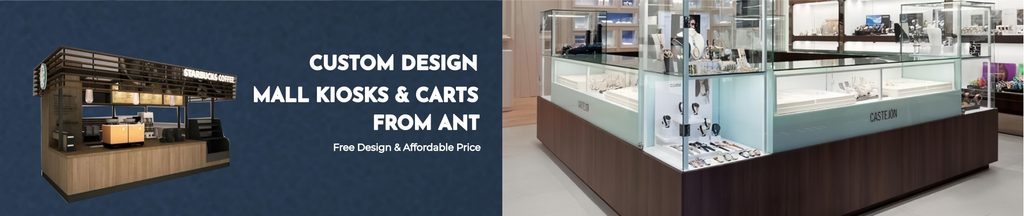
Retailers exploring tailored shopfitting can review RT Display for custom display and commercial furniture options. Ant Display is a professional manufacturer of retail store fixtures, customized mall kiosks, display showcases, racks, and shelving, glass display cases, LED-lighted fixtures, reception desks, decoration props, and more. The company provides full shop interior design, retail displays, and all commercial fixtures for a wide range of business needs.