
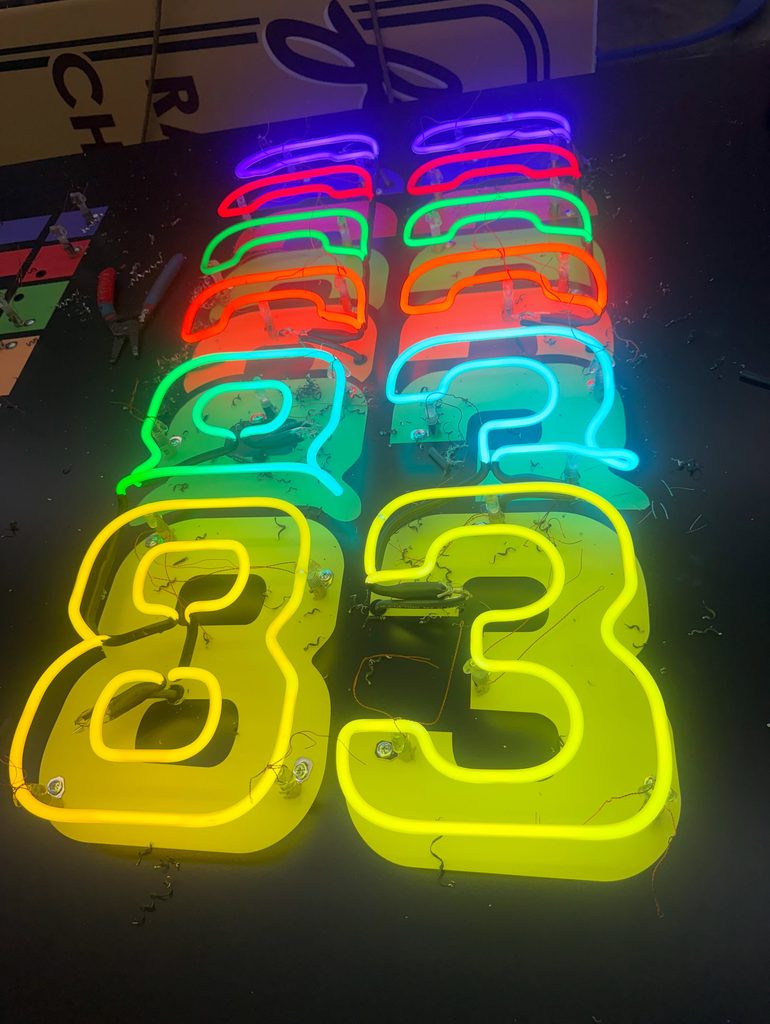
Signage is often the first impression a business makes, and it stays on display for years after the invoice is paid. That makes vetting a sign vendor one of the more consequential, and more overlooked, decisions a local business owner will face. A poorly chosen vendor can mean delayed installs, permit headaches, faded materials, or a sign that simply does not represent the brand well. This guide walks through what to look for, what to ask, and what to avoid when vetting a sign vendor for your business.
Why Vetting a Sign Vendor Matters More Than You Think
A sign is not a one-time purchase. It is a long-term asset that represents the business to every person who drives or walks by. When an owner skips proper vetting, the risks go beyond a slightly lower-quality product. Poorly vetted vendors can leave a business exposed to code violations, unpermitted installations, voided warranties, and signage that fades or fails well before its expected lifespan.
The sign industry also has a wide range of vendor types, from large national manufacturers to small local shops that subcontract installation. Pricing can vary significantly between vendors offering what looks like the same product on paper, and the difference often comes down to materials, craftsmanship, and service after the sale. Taking the time to properly vet a sign vendor protects the investment and reduces the chance of costly surprises down the road.
Start With Licensing, Insurance, and Permits
The first step in vetting a sign vendor is confirming they operate legally and carry proper coverage. Sign installation often involves electrical work, ladders, lifts, and sometimes structural attachments to a building, all of which carry real liability. A reputable vendor should be able to provide proof of general liability insurance and workers’ compensation coverage without hesitation.
Licensing requirements vary by city and state, so it is worth confirming that the vendor holds any required contractor or electrical sign licenses for the area where the business operates. Permitting is another area where experience matters. Most municipalities require a sign permit before installation, and some have strict rules on size, illumination, and placement. A vendor who understands local permitting requirements and who handles the permit application process on the business owner’s behalf, saves time and reduces the risk of fines or forced removal after the sign goes up.
Evaluate Their Portfolio and Local Experience
Once the basics of licensing and insurance are confirmed, the next step is looking closely at the vendor’s past work. A strong portfolio should include a variety of sign types relevant to the business, such as channel letters, monument signs, pylon signs, window graphics, or vehicle wraps, depending on what is needed.
Local experience carries particular weight. A vendor who has worked within the same city or county will already be familiar with local sign codes, homeowners’ association rules, and the permitting office’s expectations. This familiarity often translates into a smoother, faster project. It is also worth asking for references from businesses of a similar size or industry, and following up with those references directly. A short phone call asking about communication, timeliness, and the quality of the finished product can reveal far more than a polished portfolio alone.
Ask About Materials and Manufacturing Process
The materials used in a sign largely determine how it will hold up against weather, sun exposure, and daily wear. When vetting a sign vendor, ask directly about the type of substrate, finish, and lighting components they plan to use, and why those choices fit the application. Aluminum, acrylic, PVC, and various metal composites each have different strengths, costs, and lifespans, and a knowledgeable vendor should be able to explain those trade-offs clearly.
It is also worth asking whether the vendor manufactures signs in-house or outsources the work to a third party. An in-house shop typically offers more control over quality, timelines, and the ability to make adjustments mid-project. A vendor who subcontracts fabrication is not necessarily a red flag, but it does add another layer worth understanding, since delays or quality issues at the subcontractor level can affect the final product. Asking to see the facility, even through photos or a virtual tour, can offer useful insight into how seriously the vendor treats quality control.
Understand Installation and Warranty Policies
Fabrication is only half the job. Installation quality determines whether a sign stays secure, level, and properly wired for years to come. When vetting a sign vendor, ask whether the same company handles both manufacturing and installation, or whether installation is subcontracted out. A vendor with an in-house installation crew tends to offer more accountability if something goes wrong.
Warranty terms deserve close attention as well. Ask specifically what is covered, such as the structure, the electrical components, and the finish, and for how long. A one-year warranty on labor paired with a longer warranty on materials is common, but terms vary widely between vendors. It is worth getting warranty details in writing before signing a contract, along with a clear understanding of how service calls are handled if a sign stops working or sustains damage after installation.
Red Flags to Watch For When Vetting a Sign Vendor
Certain warning signs tend to show up repeatedly with vendors who end up causing problems down the line. Watch for the following when evaluating a potential sign vendor.
- Reluctance to provide proof of insurance or licensing when asked directly
- Pricing that is dramatically lower than every other quote with no clear explanation
- No physical address or verifiable business location
- Vague answers about who handles the permitting process
- Pressure to sign a contract quickly, especially with limited time to review terms
- Little to no online presence, reviews, or verifiable past projects
- Unwillingness to put warranty terms in writing
Any one of these alone may not be disqualifying, but a vendor showing several of these patterns at once is worth passing on.
Questions to Ask Before You Sign a Contract
A short, direct conversation before signing can prevent most of the issues business owners run into with sign projects. Consider asking a potential vendor the following before committing.
- Are you licensed and insured in this city or state, and can you provide documentation?
- Who handles the permitting process, and is that included in the quote?
- Will the same company manufacture and install the sign, or is any part subcontracted?
- What is the expected timeline from design approval to final installation?
- What does the warranty cover, and for how long?
- Can you provide references from at least two recent local clients?
- What happens if the sign is damaged or malfunctions after installation?
Getting clear, confident answers to these questions is often the clearest sign of a vendor worth hiring.
Frequently Asked Questions
How long does vetting a sign vendor usually take? Most business owners can narrow down a shortlist and complete basic vetting within one to two weeks, depending on how many vendors are being compared and how quickly references respond.
What is a reasonable price range for a business sign? Costs vary widely based on size, materials, and illumination, ranging from a few hundred dollars for small window graphics to tens of thousands for large illuminated monument or pylon signs. Getting at least three quotes helps establish a realistic range for the specific project.
Should I choose a local vendor or a national company? Local vendors often have an advantage when it comes to permitting knowledge and faster service calls, while national companies may offer more standardized processes and broader warranty networks. Both can work well as long as the vendor is properly vetted.
Who is responsible for pulling sign permits? In most cases, the sign vendor handles the permit application, but this should always be confirmed in writing before the project begins, since responsibility can vary by contract.
What should I do if a sign vendor does not have insurance? Do not proceed with that vendor. Working with an uninsured contractor exposes the business owner to significant liability if an accident occurs during installation.
Can I negotiate warranty terms with a sign vendor? Yes, warranty terms are often negotiable, particularly on larger projects. It is reasonable to ask for extended coverage or clearer service response times before signing a contract.
Making Your Final Decision
Vetting a sign vendor is ultimately about reducing risk and protecting a long-term investment. Taking the time to confirm licensing and insurance, review past work, ask detailed questions about materials and installation, and watch for red flags puts a business owner in a much stronger position to choose well. The right vendor will answer questions directly, provide documentation without pushback, and stand behind their work with clear warranty terms.
A sign may only be installed once, but it will represent the business every single day after that. Spending extra time upfront to vet a sign vendor properly is a small investment compared to the cost of fixing a bad decision later.