
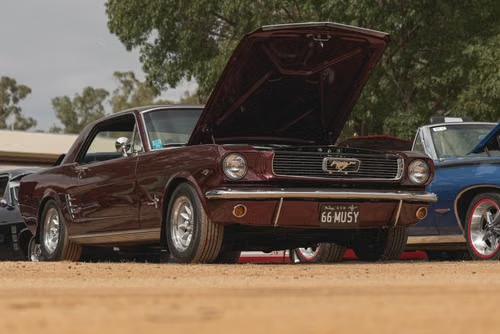
Choosing a vehicle is about more than enjoying the first few months of ownership. For many drivers, the real value of a car, truck, or SUV becomes clear over several years of daily commuting, family travel, and changing transportation needs. Long-term owners often prioritize reliability, comfort, durability, practical technology, and manageable maintenance costs. Ford offers a diverse lineup designed to serve different driving preferences, making it important to understand which qualities contribute most to lasting satisfaction. Comparing available models and learning from a top-reviewed Ford dealer near Creve Coeur can help drivers make a more informed decision.
Reliability for Everyday Confidence
Reliability is one of the most important considerations for anyone planning to keep a vehicle for many years. A dependable vehicle helps owners manage daily responsibilities without unnecessary interruptions.
Ford’s lineup includes vehicles designed for a variety of uses, from compact SUVs and family-friendly models to work-oriented trucks. Choosing the right vehicle for its intended purpose is an important part of long-term satisfaction. Drivers should consider their typical mileage, road conditions, passenger needs, and expected workload before making a decision.
Regular maintenance also plays a major role in reliability. Following recommended service intervals, checking fluid levels, monitoring tire condition, and addressing unusual sounds or warning lights can help keep a vehicle operating properly.
Durability and Practical Engineering
Durability matters when a vehicle experiences frequent use. Long-term owners want components that can handle everyday driving, changing weather, road imperfections, and occasional demanding tasks.
Ford trucks, particularly models in the F-Series, are known for their work-focused capabilities. Features such as available four-wheel drive, powerful engine options, and practical cargo solutions make certain models suitable for demanding environments.
Ford SUVs also offer practical designs for families and active drivers. Flexible seating arrangements, useful storage areas, and available all-weather capabilities can make them convenient over extended ownership periods.
However, durability depends on more than the brand. Driving habits, maintenance history, vehicle configuration, and operating conditions all influence how well a vehicle performs over time.
Comfort That Lasts Beyond the First Drive
Comfort becomes increasingly important when a vehicle is part of everyday life. A seat that feels supportive during a short test drive should also remain comfortable during longer commutes and road trips.
Many Ford models offer features designed to improve the cabin experience. Depending on the vehicle and trim level, these may include adjustable seating, dual-zone climate control, heated seats, and carefully arranged interior storage.
Cabin space is another important consideration. Families may benefit from additional passenger room and flexible cargo capacity, while individual commuters may prefer a smaller vehicle that is easier to park and maneuver.
Long-term owners should also pay attention to visibility, driving position, cabin noise, and how easily they can reach frequently used controls.
Technology That Remains Useful
Modern vehicle technology can improve convenience, safety, and entertainment. However, long-term owners often value features that are practical and easy to use rather than technology that simply looks impressive.
Ford offers available SYNC infotainment systems that provide access to communication, entertainment, and selected vehicle functions. Depending on the model, drivers may also have smartphone integration through Apple CarPlay and Android Auto.
Driver-assistance features can add another layer of support. Available Ford Co-Pilot360 technologies may include automatic emergency braking, blind-spot monitoring, lane-keeping assistance, and rear-view camera systems.
These features can help drivers remain aware of certain road conditions, but they do not replace careful driving. Owners should understand each system’s limitations and follow the vehicle’s operating instructions.
Fuel Efficiency and Ownership Costs
Long-term ownership involves more than the initial purchase price. Fuel consumption, insurance, maintenance, repairs, and replacement parts all contribute to the overall cost of keeping a vehicle.
Ford provides different powertrain choices across its lineup, allowing drivers to consider performance and efficiency according to their needs. Some models emphasize everyday fuel economy, while trucks and performance-oriented vehicles prioritize other capabilities.
Owners should compare official fuel-economy estimates and consider how their driving habits may affect real-world consumption. Someone who spends most of their time commuting in traffic may have different priorities from a driver who frequently travels on highways or tows equipment.
Understanding these expenses before choosing a vehicle can help prevent unexpected financial pressure later.
Versatility for Changing Needs
A vehicle that works well today should ideally remain useful as an owner’s circumstances change. Growing families, new hobbies, career changes, and different commuting routines can all influence transportation needs.
Ford’s broad lineup provides options for different lifestyles. An SUV may offer the passenger space and cargo flexibility needed for family activities, while a pickup truck can support work responsibilities and recreational equipment.
Available towing and hauling capabilities may also be important for owners who transport trailers, boats, or tools. Buyers should compare the specific model’s ratings and equipment rather than assuming every configuration offers the same capabilities.
Resale Value and Maintenance History
Some owners eventually decide to replace their vehicles, making resale value another consideration. A well-maintained vehicle with documented service records may be more appealing to future buyers.
Keeping maintenance receipts, following recommended service schedules, and addressing repairs promptly can support a vehicle’s condition. Mileage, age, accident history, market demand, and equipment also influence resale value.
Although future market prices cannot be guaranteed, responsible ownership habits can help preserve a vehicle’s appeal.
Conclusion
Long-term Ford ownership is shaped by several qualities, including reliability, durability, comfort, useful technology, efficiency, and versatility. The most important combination depends on how a vehicle will be used and what its owner expects over the years. By comparing models carefully, reviewing maintenance requirements, and selecting features that support everyday needs, drivers can make a practical choice that continues to deliver value well beyond the initial purchase.