
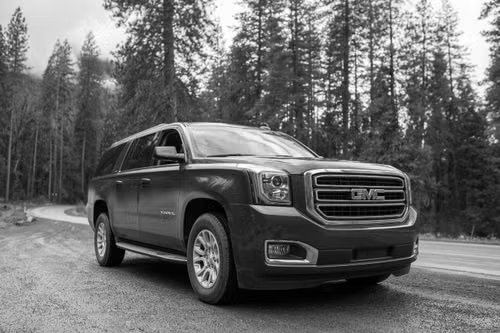
Choosing a vehicle involves more than comparing purchase prices. Long-term ownership costs, maintenance needs, warranty protection, fuel economy, and everyday practicality all influence whether a vehicle fits your finances. Certified pre-owned Buick and GMC models can offer a balance between affordability and added ownership confidence. They also provide opportunities to explore higher trim levels and useful features without paying the price of a brand-new vehicle. Drivers comparing CPO Buick and GMC models in St. Louis can benefit from considering both their immediate budget and the expenses they may encounter over several years.
Start With a Realistic Ownership Budget
Before choosing a vehicle, determine how much you can comfortably spend. The purchase price is only one part of the financial picture. Monthly payments, insurance, fuel, maintenance, registration, and unexpected repairs should also be considered.
A practical budget begins with an estimate of your monthly transportation expenses. Consider your regular income, existing financial responsibilities, and savings goals before deciding how much to allocate toward a vehicle.
It is also helpful to compare financing terms rather than focusing exclusively on monthly payments. A longer loan term may reduce the monthly amount but increase the total interest paid. Understanding the complete financing cost can help you make a more responsible decision.
Understand the Benefits of Certified Pre-Owned Vehicles
A certified pre-owned vehicle generally offers additional evaluation and ownership benefits compared with an ordinary used vehicle. Certification requirements, inspection standards, and warranty coverage depend on the specific program and vehicle.
GM’s certified used vehicle offerings have evolved, with Buick and GMC participating in the CarBravo program in the United States. Available coverage and benefits can vary by vehicle and certification level.
Before making a decision, ask for details about the inspection process, vehicle history report, warranty terms, roadside assistance, and any available exchange privileges. Understanding exactly what is included helps you determine whether the additional certification benefits justify the vehicle’s price.
Choose Between Buick and GMC Based on Your Needs
Buick and GMC offer different approaches to comfort, utility, and everyday driving. Your preferred vehicle should match your lifestyle rather than simply having the most features.
Buick models may appeal to drivers who prioritize comfortable interiors, smooth rides, convenient technology, and practical SUV designs. Models such as the Encore GX, Envision, and Enclave offer different combinations of passenger space and everyday versatility.
GMC vehicles often appeal to drivers who need additional capability or a more rugged design. The Terrain and Acadia provide SUV options, while the Sierra lineup offers pickup trucks for work, hauling, and recreational activities.
Think about how many passengers you regularly carry, how much cargo space you need, and whether towing or hauling is part of your routine. Choosing a vehicle that meets your actual requirements can prevent unnecessary spending on capabilities you rarely use.
Compare Vehicle Age, Mileage, and Condition
A lower-priced vehicle may appear attractive, but its age, mileage, and maintenance history deserve careful attention. These factors can influence future repair costs and overall ownership satisfaction.
When comparing certified pre-owned options, review the vehicle history report and ask about previous ownership, service records, reported accidents, and completed repairs.
Mileage should be considered alongside condition. A vehicle with higher mileage and consistent maintenance may be a reasonable option, while a lower-mileage vehicle with neglected service could require additional attention.
During an inspection or test drive, pay attention to braking performance, steering response, tire condition, engine operation, and interior features. Ask whether the dealership can explain any repairs or reconditioning completed before the vehicle was offered for sale.
Evaluate Warranty Coverage and Maintenance Expenses
Warranty protection can make a meaningful difference in your ownership budget. However, buyers should never assume that every certified vehicle includes identical coverage.
Review the warranty documentation carefully. Check which components are protected, when coverage begins and ends, mileage limitations, deductibles, and exclusions. Also ask whether the coverage is transferable if you eventually sell the vehicle.
Routine maintenance is another important consideration. Oil changes, tire rotations, brake inspections, fluid replacements, and scheduled services help keep a vehicle operating properly. Compare estimated maintenance needs between the Buick and GMC models you are considering.
Setting aside a small amount each month for routine service and unexpected repairs can make ownership expenses easier to manage.
Consider Fuel Economy and Everyday Driving Costs
Fuel expenses can add up over time, especially for drivers with long commutes. Comparing fuel economy estimates can help you understand how different models may affect your monthly budget.
A smaller SUV may be suitable for daily commuting and urban driving, while a larger SUV or pickup may provide the passenger space or capability you need. The right choice depends on balancing efficiency with practical requirements.
Your driving habits also matter. Frequent short trips, heavy traffic, highway travel, and towing can all influence actual fuel consumption. Consider how you use your vehicle throughout a typical week rather than relying only on advertised estimates.
Compare Financing Offers and Total Value
Once you have identified a few suitable vehicles, compare their complete purchase costs. Review the selling price, financing rate, loan duration, down payment, taxes, fees, and any optional protection products.
A vehicle with a slightly higher price may offer better value if it has lower mileage, stronger equipment, a documented maintenance history, or more comprehensive warranty coverage. On the other hand, paying extra for features you do not need may place unnecessary pressure on your budget.
Request a clear breakdown of all costs before agreeing to a financing arrangement. Taking time to compare offers can help you avoid focusing on a payment amount that does not reflect the full expense.
Conclusion
Finding a certified pre-owned Buick or GMC that fits your ownership budget requires looking beyond the advertised price. Vehicle condition, mileage, warranty protection, fuel economy, maintenance requirements, and financing terms all contribute to long-term value. By identifying your priorities and comparing suitable models carefully, you can choose a vehicle that supports your daily needs without stretching your finances. A thoughtful approach makes it easier to enjoy the comfort, capability, and convenience of Buick or GMC ownership with greater financial confidence.