
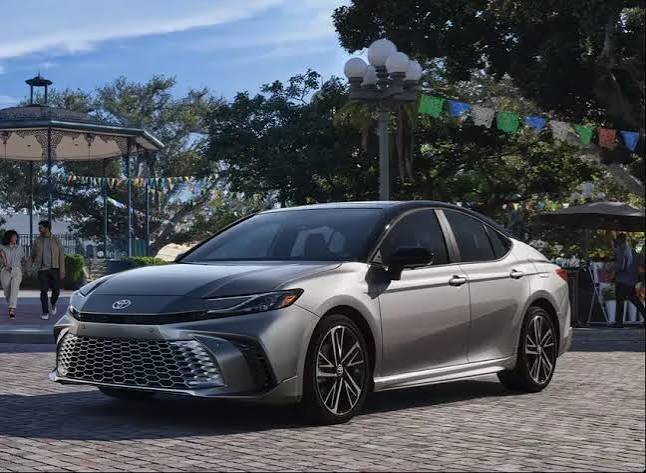
Choosing a vehicle involves considering more than its appearance, performance, or fuel efficiency. Safety is equally important, particularly for drivers who regularly travel with family members or spend considerable time on busy roads. Safety ratings provide useful information about how a vehicle performs in different crash tests and what protective technologies it offers. Buyers researching options at a top rated Toyota dealership in Florida can use these ratings to compare different models and make more informed decisions. Understanding what safety scores mean and how they relate to everyday driving can help buyers select a Toyota that meets their expectations for protection and confidence.
Understanding What Vehicle Safety Ratings Measure
Vehicle safety ratings are designed to evaluate how well a car protects occupants and performs in certain crash situations. Independent organisations conduct controlled tests to examine different aspects of vehicle safety, including frontal impacts, side collisions, rollover resistance, and the effectiveness of available accident-prevention technologies.
In the United States, two organisations commonly referenced by vehicle buyers are the National Highway Traffic Safety Administration (NHTSA) and the Insurance Institute for Highway Safety (IIHS). Both evaluate vehicles, but their testing methods and rating systems are different.
NHTSA uses a five-star rating system, with higher ratings generally indicating better performance in its tested categories. IIHS uses ratings such as Good, Acceptable, Marginal, and Poor for several crashworthiness assessments. It also evaluates certain crash-prevention systems and headlights.
These ratings provide a useful starting point when comparing vehicles. However, buyers should check the specific model year because safety equipment, vehicle structures, and testing results can change over time.
Why Crash-Test Performance Matters
Crash-test results are an important part of understanding a vehicle’s protective capabilities. These assessments examine how a vehicle’s structure responds to different collision scenarios and how well its restraint systems help protect occupants.
Frontal crash tests evaluate the vehicle’s performance during impacts from the front. Side-impact tests examine how the cabin and safety systems respond when another vehicle strikes the side. Rollover assessments provide information about the vehicle’s resistance to rollover situations or its performance during certain rollover-related evaluations.
For Toyota buyers, these results can help distinguish between models that may appear similar in size or price. A sedan, compact SUV, and midsize SUV can have different crash-test outcomes because of differences in their structure, weight, design, and safety equipment.
It is important to remember that crash-test ratings do not guarantee that occupants will avoid injuries in a real accident. Actual outcomes depend on several factors, including collision speed, impact direction, road conditions, and whether passengers are properly restrained.
How Toyota Safety Sense Supports Accident Prevention
Crash protection is only one part of vehicle safety. Technologies designed to help drivers recognise potential hazards can also influence purchasing decisions. Toyota offers Toyota Safety Sense on many of its vehicles, although the exact package and available functions depend on the model and model year.
Toyota Safety Sense may include features such as a Pre-Collision System, Lane Departure Alert, Lane Tracing Assist, Dynamic Radar Cruise Control, and Automatic High Beams. These technologies are designed to provide additional support in certain driving situations.
The Pre-Collision System can help detect certain potential frontal collisions and may provide warnings or braking assistance when appropriate. Lane Departure Alert can warn drivers when the vehicle begins moving out of its lane under qualifying conditions. Dynamic Radar Cruise Control can help maintain a selected following distance from a vehicle ahead.
These features can be useful during highway journeys, daily commuting, and busy traffic conditions. However, they have operational limitations and cannot replace driver attention. Buyers should review the owner’s manual to understand how each system works and when it may be unavailable.
Comparing Safety Ratings Across Toyota Models
Toyota offers vehicles in several categories, allowing buyers to compare safety performance based on their transportation needs. The Corolla and Camry are popular sedan options, while the Corolla Cross and RAV4 provide compact SUV alternatives. Families requiring more passenger space may also consider the Highlander or Grand Highlander.
Each model should be evaluated using its own safety information. A higher-priced vehicle is not automatically safer than a smaller or less expensive alternative. Similarly, a larger vehicle should not be assumed to have better crash-test results simply because of its size.
Buyers should look for ratings that apply to the exact model year and configuration they are considering. Some safety results may apply to multiple model years, while others may be specific to a redesigned vehicle. Equipment differences can also affect the availability of certain driver-assistance features.
Comparing both NHTSA and IIHS information can provide a broader understanding of a vehicle’s performance. Reviewing individual test categories is also more useful than relying only on an overall rating.
The Importance of Airbags and Occupant Protection
Airbags and seatbelts remain essential parts of a vehicle’s safety design. Toyota vehicles use restraint systems intended to help protect occupants during certain types of collisions. Depending on the model, available equipment may include front airbags, side airbags, curtain airbags, and other occupant-protection technologies.
Seatbelts are designed to work alongside airbags. They help keep occupants in appropriate seating positions during a collision, while airbags provide additional cushioning in certain impact situations. This is why every passenger should wear a properly fitted seatbelt, regardless of the distance being travelled.
Families should also consider child passenger safety. The availability and positioning of LATCH anchors, rear-seat space, and suitable seating arrangements can make a difference when installing child safety seats. Parents should check the vehicle manual and child-seat manufacturer’s instructions to ensure correct installation.
Rear-seat accessibility is another practical consideration. A vehicle may have strong crash-test results, but families still need an interior layout that makes it convenient to secure children safely before every journey.
Safety Features for Florida Driving Conditions
Driving conditions can influence which safety technologies buyers find most useful. Florida motorists regularly encounter busy highways, urban traffic, heavy rain, and crowded parking areas. These conditions make visibility, braking performance, and driver awareness important considerations.
Features such as Blind Spot Monitor can help alert drivers to vehicles in adjacent lanes. Rear Cross-Traffic Alert may provide warnings about approaching traffic when reversing out of parking spaces. A rearview camera can also help drivers observe the area behind the vehicle.
Rain can reduce visibility and affect tyre grip, so buyers should consider the vehicle’s braking systems, tyre specifications, and available stability-control technology. Certain Toyota models may also offer all-wheel drive, which can provide additional traction in suitable conditions.
However, electronic safety systems cannot overcome every road hazard. Drivers should reduce speed when conditions become difficult, maintain appropriate following distances, and ensure tyres and brakes are properly maintained.
How Safety Ratings Affect Long-Term Ownership Decisions
Safety ratings can influence more than the initial buying decision. Some buyers consider them when evaluating insurance costs, resale appeal, and the long-term suitability of a vehicle for family use.
Insurance companies may consider several factors when calculating premiums, including vehicle type, repair costs, theft risk, safety equipment, and the driver’s history. A strong safety rating does not automatically guarantee lower insurance expenses, but it can be one useful detail when comparing vehicles.
Safety technology may also support a vehicle’s appeal in the used-car market. Buyers often look for vehicles equipped with modern driver-assistance features and established crash-test results. However, resale value depends on several factors, including mileage, condition, maintenance history, and market demand.
For long-term ownership, it is sensible to choose a vehicle with safety features that meet current needs while remaining practical for future requirements.
Checking Safety Information Before Visiting a Dealership
Researching safety information before visiting a dealership can make vehicle comparisons more productive. Buyers can review the NHTSA and IIHS websites to find crash-test results and check whether the ratings apply to the model year they are considering.
It is also useful to compare standard equipment with optional safety packages. Two versions of the same Toyota model may have different features depending on their trim levels and available options.
During a dealership visit, buyers should ask about available driver-assistance technologies, airbag configurations, child-seat compatibility, and any differences between model years. A test drive can help them understand visibility, seating comfort, camera displays, and warning systems.
Reading the owner’s manual is another valuable step, particularly for drivers who have not previously used advanced safety technology.
Choosing a Toyota With Confidence
Safety ratings provide valuable information when comparing Toyota vehicles, but they should be considered alongside everyday practicality, comfort, and performance. Crash-test results help buyers understand occupant protection, while driver-assistance features offer additional support in certain situations.
The most suitable Toyota depends on individual requirements, including passenger needs, driving conditions, and available budget. By checking current safety ratings, comparing equipment across trim levels, and understanding the limitations of assistance systems, buyers can make a more informed decision.
A careful approach to safety research helps ensure that the selected vehicle offers the right combination of protection, convenience, and everyday driving confidence.