
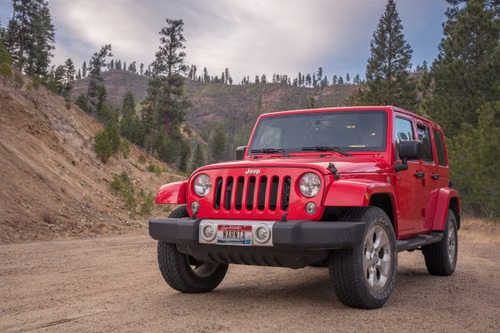
Choosing a used car in Idaho involves considering more than its price, mileage, and appearance. Driving conditions can change throughout the year, with winter snow, icy roads, mountain routes, and wet pavement influencing vehicle performance. One important decision is whether to choose all-wheel drive (AWD) or front-wheel drive (FWD). Both systems offer practical advantages, but the right option depends on your driving habits, budget, and typical road conditions. Exploring used cars for sale in Boise, ID can help you compare available vehicles and find a drivetrain that supports your everyday transportation needs.
Understanding All-Wheel Drive
All-wheel drive distributes engine power between the front and rear wheels. Many modern AWD systems automatically adjust power distribution based on road conditions and available traction.
This setup can be especially helpful when driving on snow-covered streets, slippery roads, gravel surfaces, or steep inclines. By allowing all four wheels to receive power, AWD can help a vehicle maintain forward movement when one axle has limited traction.
For Idaho drivers who regularly travel through mountainous areas or encounter changing winter conditions, an AWD vehicle may provide additional confidence. It can also be useful for people who frequently visit rural destinations or drive on unpaved roads.
However, AWD does not make a vehicle immune to slippery conditions. Tires, braking performance, speed, and driver attention remain essential.
Understanding Front-Wheel Drive
Front-wheel drive sends engine power exclusively to the front wheels. This configuration is common in sedans, compact cars, and many crossover SUVs.
One advantage of FWD is its relatively simple design. With fewer drivetrain components than many AWD systems, these vehicles can offer lower purchase prices and potentially reduced maintenance expenses.
FWD vehicles also tend to be lighter and may provide better fuel economy than comparable AWD versions. Because the engine’s weight sits above the front wheels, they can offer useful traction during ordinary driving and in light winter conditions.
For drivers who primarily travel on paved roads, commute within Boise, or rarely encounter steep and snow-covered routes, FWD may provide sufficient everyday capability.
Comparing Winter Driving Performance
Winter conditions are an important consideration when choosing a used vehicle in Idaho. Snow, ice, and freezing temperatures can make certain roads more challenging, particularly in elevated areas and locations with limited snow removal.
AWD generally provides an advantage when accelerating on slippery surfaces because power can reach all four wheels. This can help when starting from a stop, climbing snowy hills, or navigating roads with inconsistent traction.
FWD can also perform reasonably well in winter conditions, particularly when equipped with appropriate tires. The weight of the engine over the front axle helps the powered wheels maintain traction.
An important distinction is that AWD does not automatically improve braking or cornering. Both AWD and FWD vehicles depend heavily on tire condition, road grip, and careful driving. Winter tires can make a substantial difference regardless of drivetrain configuration.
Comparing Fuel Economy and Ownership Costs
Budget considerations can influence the decision between AWD and FWD. Similar vehicles may have different purchase prices depending on their drivetrain configurations.
FWD models often have lower upfront costs because their systems are generally simpler and lighter. They may also consume less fuel than comparable AWD versions.
AWD vehicles have additional drivetrain components that can increase mechanical complexity. Depending on the model, they may require additional maintenance, including specific drivetrain fluid services.
When comparing used vehicles, review the service history and ask whether previous owners followed the manufacturer’s maintenance recommendations. Consider fuel expenses, insurance, tire replacement, and potential repair costs as part of your overall ownership budget.
Consider Your Typical Idaho Driving Routes
Your regular driving environment should play a major role in your decision.
Drivers who mainly travel through urban areas and maintained highways may find FWD suitable for most of their needs. It can provide an economical option for commuting, shopping, and routine errands.
AWD may be more appealing to people who regularly travel through mountainous regions, use rural roads, or encounter frequent snowfall. It can also be useful for drivers who visit outdoor recreation areas during winter.
Think about your complete driving routine rather than focusing on occasional weather events. Paying extra for AWD may not be necessary if your vehicle rarely encounters conditions where additional traction is useful.
Inspecting a Used AWD or FWD Vehicle
A used vehicle’s condition is just as important as its drivetrain. Before purchasing, review its maintenance records and arrange a professional inspection when possible.
For an AWD vehicle, ask the technician to examine the transfer components, differentials, driveshafts, and other relevant drivetrain parts. Check for unusual noises, vibrations, warning lights, or signs of fluid leakage.
For an FWD vehicle, pay attention to the transmission, front axles, CV joints, and suspension components. During a test drive, notice whether the vehicle accelerates smoothly, steers properly, and brakes consistently.
Regardless of drivetrain, inspect tire condition and tread depth. Uneven wear may indicate alignment or suspension problems. Also review the vehicle history report to learn about reported accidents, ownership history, and available service records.
Choosing the Right Drivetrain for Your Needs
There is no universal winner between AWD and FWD. The best choice depends on how you drive and what you expect from your next vehicle.
AWD may be worth considering if additional traction is a regular requirement. FWD may be the more practical option if affordability, fuel economy, and straightforward maintenance are your main priorities.
Compare similar models whenever possible. Look at their mileage, condition, equipment, maintenance history, and overall price rather than choosing based on drivetrain alone.
Conclusion
Comparing AWD and FWD used cars in Idaho requires balancing road conditions, driving habits, performance, and ownership expenses. AWD offers additional traction for challenging surfaces, while FWD provides an economical and practical solution for many everyday driving situations. Neither system eliminates the need for quality tires and responsible driving. By evaluating your regular routes, reviewing vehicle condition, and comparing long-term costs, you can choose a used car that fits your budget and provides dependable transportation throughout the year.