
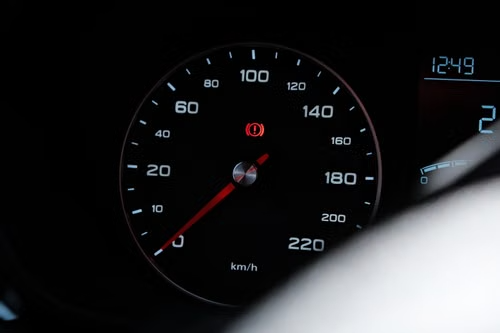
Leasing a Nissan can be a practical way to drive a newer vehicle while keeping monthly payments predictable. However, one important detail deserves attention before signing a lease agreement: the mileage limit. This limit determines how far you can drive during your lease without paying additional charges when the agreement ends. Understanding it early can help you plan your daily travel, manage expenses, and avoid surprises later. When comparing new Nissan lease specials, it is worth reviewing the mileage allowance alongside the monthly payment, lease duration, and other contract terms to find an option that fits your driving habits.
What Is a Mileage Limit on a Nissan Lease?
A mileage limit is the maximum number of miles you are allowed to drive a leased vehicle during the contract period without incurring excess-mileage charges. Leasing companies use this allowance when calculating the vehicle’s expected value at the end of the agreement.
Many vehicle leases offer annual mileage options, such as 10,000, 12,000, or 15,000 miles. The exact choices available for a Nissan depend on the vehicle, the lease offer, and the contract terms.
For example, a three-year lease with a 12,000-mile annual allowance provides a total allowance of 36,000 miles. If you return the vehicle after driving 34,000 miles, you remain within that limit. If the odometer shows 39,000 miles, you have exceeded the allowance by 3,000 miles.
The mileage allowance is generally calculated across the full lease term. Check your agreement for the specific rules that apply if your lease ends early or is extended.
Why Mileage Limits Matter
Mileage limits can affect both the cost and flexibility of your lease. They help determine the vehicle’s expected resale value and influence the financial terms offered at the beginning of the agreement.
Monthly payments: A lease with a lower mileage allowance may have a lower monthly payment than an otherwise comparable lease with a higher allowance. However, the savings may not be worthwhile if you regularly drive more than the permitted distance.
End-of-lease charges: Driving beyond the contracted allowance can result in additional fees when you return the vehicle. The charge per mile depends on the agreement, so review the contract rather than assuming every lease has the same rate.
Driving flexibility: A mileage limit can affect everyday decisions, from taking weekend trips to commuting longer distances. Knowing your allowance helps you plan without constantly worrying about exceeding it.
How to Estimate Your Annual Driving Needs
Before choosing a Nissan lease, estimate how many miles you typically drive in a year. Looking at your current vehicle’s odometer readings can provide a useful starting point.
Consider your regular commute, errands, family responsibilities, and recreational travel. If your work involves frequent driving or you regularly visit relatives in other cities, your annual mileage may be higher than you expect.
A simple calculation can help:
- Estimate your average daily driving distance.
- Multiply that distance by the number of days you typically drive each year.
- Add estimated mileage for holidays, road trips, and other occasional journeys.
For instance, driving 30 miles per day for 250 days adds up to 7,500 miles. If you also drive 3,500 miles for errands, weekends, and vacations, your annual total reaches 11,000 miles.
In this situation, a 10,000-mile annual allowance could be too restrictive. A 12,000-mile option might provide a more comfortable margin, depending on the terms and cost.
It is also wise to account for changes in your routine. A new job, a longer commute, or a growing family can increase annual mileage during the lease.
What Happens If You Exceed the Mileage Limit?
If you return your leased Nissan with more miles than your agreement permits, you may be charged an excess-mileage fee. The amount is usually calculated by multiplying the number of additional miles by the per-mile rate stated in your contract.
Suppose your lease allows 36,000 miles over three years, but you return the vehicle with 40,000 miles. You have driven 4,000 miles over the limit.
If your contract specifies a charge of $0.20 per excess mile, the additional mileage charge would be $800. This is only an example; your actual rate may be different.
Excess mileage is generally assessed separately from other potential end-of-lease costs, such as charges for damage beyond normal wear and use or an applicable disposition fee. Reviewing all these terms can help you prepare for the final inspection and vehicle return.
Ways to Manage Your Mileage During the Lease
Staying within your allowance does not require avoiding every extra trip. It requires monitoring your usage and making informed decisions throughout the contract.
Track your odometer: Record your mileage at regular intervals. Comparing your current reading with the number of months remaining can show whether you are on pace to stay within your allowance.
Plan longer trips carefully: If you are approaching your mileage limit, consider alternatives such as carpooling, combining errands, or using another vehicle when practical.
Review your driving habits: Occasional changes, such as working remotely a few days each month, may reduce annual mileage. Estimate the likely savings before making a change solely for your lease.
Contact your leasing provider early: If your mileage is rising faster than expected, ask whether your contract offers a way to purchase additional miles or adjust your arrangement. Available options and eligibility requirements vary.
Can You Purchase Additional Miles?
Some Nissan Motor Acceptance Company (NMAC) lease customers may be eligible for SignatureFLEX, a program that allows additional mileage to be purchased during the lease. Eligible customers can purchase miles through the NMAC finance portal or app, subject to program terms and timing requirements.
Nissan’s published information describes a rate of $0.10 per additional mile for qualifying SignatureFLEX customers. By comparison, excess-mileage charges assessed at lease end may be higher. The rate and eligibility conditions can vary by contract, and unused purchased miles generally are not refundable.
Because the program has specific requirements, check your account and lease agreement before relying on it. Purchasing additional miles may be worth considering if your projected mileage exceeds the original allowance, but compare the cost with the potential end-of-lease charge first.
What If You Plan to Keep Your Nissan?
Returning a leased vehicle is not your only option at the end of the term. Depending on your contract and available arrangements, you may be able to purchase the Nissan at its predetermined purchase option price.
Buying the vehicle can eliminate excess-mileage charges associated with returning it, although other costs may apply, including taxes, registration, and fees specified in the agreement. Before deciding, compare the purchase price with the vehicle’s current market value and consider its condition, maintenance history, and your future transportation needs.
If you would rather move into another vehicle, reviewing your next lease or purchase options early can make the transition easier.
Conclusion
Mileage limits are an important part of any Nissan lease because they influence costs, driving flexibility, and end-of-contract responsibilities. By estimating your annual driving needs, tracking your odometer, and understanding your agreement’s excess-mileage rate, you can make a more informed leasing decision. If your circumstances change, explore available options before the lease ends. A little planning at the beginning and throughout the contract can help you enjoy your Nissan while keeping unexpected expenses under control.