
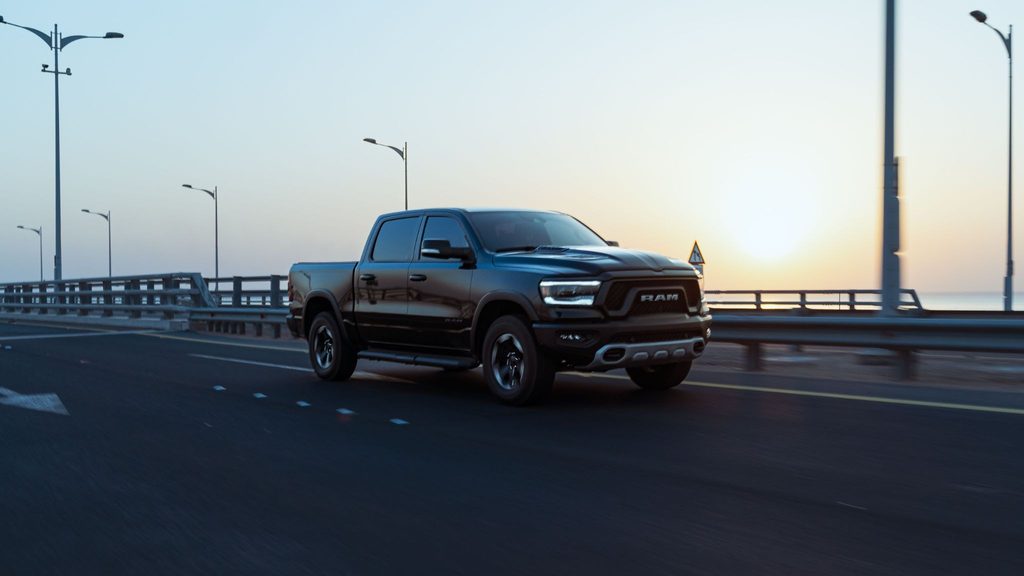
Choosing a heavy-duty pickup requires careful consideration of your daily workload, passenger needs, and equipment requirements. The Ram 2500 offers a range of configurations designed to support demanding tasks, from transporting construction materials to towing work trailers and traveling between job sites. However, the best setup depends on how you plan to use the truck rather than simply choosing the largest or most expensive option. Exploring the Ram 2500 inventory at Bluebonnet can help you compare available configurations and determine which combination of cab style, bed length, engine, and features matches your professional needs.
Understand the Main Ram 2500 Cab Configurations
The cab configuration determines how much passenger space you have and influences the truck’s overall size. Different model years and trim levels may offer different combinations, so it is important to check the specifications of each vehicle.
The Regular Cab is designed around practicality. With fewer seats and a simpler cabin, it can be a sensible option for solo operators or businesses that prioritize cargo space over carrying a large crew. It is particularly useful for drivers who spend most of their time transporting tools, supplies, or materials.
The Crew Cab offers four full-size doors and a spacious rear seating area. This configuration works well for contractors, technicians, and business owners who regularly travel with employees or need room for family members outside working hours.
The Mega Cab provides additional rear passenger space and storage flexibility inside the cabin. Availability depends on the model year and trim, but it is worth considering if your work involves long drives or you frequently carry passengers who need extra room.
Choose a Bed Length That Matches Your Equipment
Bed length is another important consideration because it affects the type and amount of cargo you can transport. Depending on the model year and cab configuration, the Ram 2500 may be available with a bed measuring approximately 6 feet 4 inches or 8 feet.
A shorter bed can make the truck easier to maneuver in tight parking areas and busy job sites. It may be sufficient for carrying toolboxes, smaller equipment, landscaping supplies, and general work materials. Drivers who need more passenger space without an excessively long vehicle may find this combination practical.
An eight-foot bed offers additional room for longer materials, including lumber, pipes, and certain construction supplies. It can be particularly helpful for tradespeople who regularly transport materials that are difficult to fit inside a shorter bed.
Before deciding, measure the items you carry most frequently. Check the usable bed length and width, including the space between the wheel wells. Remember that a longer bed does not automatically provide a higher payload rating, so the truck’s weight limits must also be considered.
Select an Engine for Your Daily Workload
Engine choice affects power delivery, towing capability, fuel consumption, and maintenance considerations. The right option depends on the work you perform and how frequently you carry heavy loads.
Depending on the model year, the Ram 2500 may offer a gasoline V8 engine and an available Cummins turbo-diesel engine. Gasoline power can suit businesses that need a capable heavy-duty truck for a mixture of everyday driving, moderate hauling, and occasional towing.
A diesel engine may appeal to operators who frequently tow substantial trailers or travel long distances under demanding conditions. Its torque characteristics can be useful when moving heavy loads, although purchase price, fuel costs, servicing, and emissions-system maintenance should all be included in the decision.
Do not choose an engine based on its advertised maximum figures alone. Compare the ratings for the exact truck configuration and consider your typical workload. A truck that comfortably meets your actual requirements may be more practical than one selected solely for its highest available capability.
Match Towing Capacity to Your Work Equipment
For many businesses, towing is one of the main reasons to choose a Ram 2500. Contractors may pull equipment trailers, landscapers may transport machinery, and agricultural operators may need to move utility or livestock trailers.
Start by identifying the loaded weight of the trailer and its contents. Then compare that figure with the truck’s rated towing capacity, while also checking payload, gross vehicle weight rating, gross combined weight rating, and hitch requirements.
Trailer tongue weight counts toward the truck’s payload, along with passengers, tools, accessories, and cargo in the bed. This means a truck can be within its maximum towing rating but still exceed its payload limit if it is heavily loaded.
Consider features that make towing easier, such as an integrated trailer brake controller, suitable towing mirrors, trailer-sway assistance, and available camera systems. The exact equipment varies by model and trim, so confirm what is installed before purchasing.
Pick a Trim Level Based on Practical Needs
Ram 2500 trim levels offer different combinations of durability, convenience, technology, and comfort. The right choice depends on how the truck will be used and the conditions it must handle.
A work-oriented trim can be a strong option for businesses that need straightforward equipment, durable interior materials, and useful everyday features. This may be ideal for construction sites, farms, and commercial fleets where the vehicle experiences regular wear.
Mid-level trims can provide a balance of practical equipment and comfort features. Depending on the model, these may include upgraded seating, additional storage, improved connectivity, and more driver-assistance technology.
Higher trims may suit professionals who spend many hours behind the wheel, travel long distances, or use the truck for both business and personal activities. Features such as premium seating, advanced infotainment, and additional convenience technology can make extended workdays more comfortable.
Prioritize features that provide real value for your work. A comfortable interior can matter when you spend hours traveling between appointments, while easy-to-clean materials may be more useful for jobs involving dust, mud, or grease.
Consider Two-Wheel Drive or Four-Wheel Drive
Your work environment should influence the drivetrain you choose. Two-wheel drive may be suitable for many highway journeys, paved roads, and established job sites. Depending on local conditions and the truck’s configuration, it may also offer a lower purchase cost.
Four-wheel drive can provide additional traction when working on muddy construction sites, uneven ranch roads, loose gravel, or other challenging surfaces. It may be a valuable feature for operators who regularly travel beyond paved roads or work in changing weather conditions.
However, four-wheel drive does not eliminate the need for appropriate tires, careful driving, or proper vehicle loading. Consider how often you encounter difficult terrain rather than assuming you will always need the most capable drivetrain.
Evaluate Payload and Storage Solutions
Payload capacity is particularly important for work trucks because tools, supplies, passengers, and accessories all contribute to the total load. Review the specific vehicle’s ratings and door-jamb information rather than relying on general figures for the Ram 2500 model line.
Storage accessories can also improve daily efficiency. Bed liners can help protect the cargo area, while compatible toolboxes and bed covers can organize equipment and protect selected items from the weather. Tie-down points and cargo management accessories help keep loads secure during transport.
If you carry valuable tools, consider how they will be stored when the truck is parked overnight. A practical storage setup can make it easier to organize equipment and reduce the time spent preparing for each job.
Compare Total Ownership Costs Before Deciding
A work truck is an investment, so the purchase price should not be your only consideration. Think about fuel, routine maintenance, tires, insurance, registration, repairs, and any accessories required for your business.
A configuration with features you rarely use may increase costs without improving productivity. On the other hand, spending more for the right cab, engine, or towing equipment may be worthwhile if it helps you complete jobs more efficiently.
When comparing vehicles, review maintenance records, warranty coverage, service requirements, and the availability of replacement parts. If you are considering a used Ram 2500, inspect the truck carefully for signs of heavy wear, previous damage, and towing-related stress.
Conclusion
The best Ram 2500 configuration is the one that matches your actual work requirements. A Regular Cab with a longer bed may suit cargo-focused jobs, while a Crew Cab can balance employee transportation with everyday hauling. A Mega Cab may be preferable when rear passenger comfort and interior space are priorities. Engine, drivetrain, towing equipment, payload capacity, and storage accessories also deserve careful consideration. By evaluating your regular loads, work locations, passenger needs, and long-term operating costs, you can select a Ram 2500 that supports your business without paying for capabilities you do not need.