
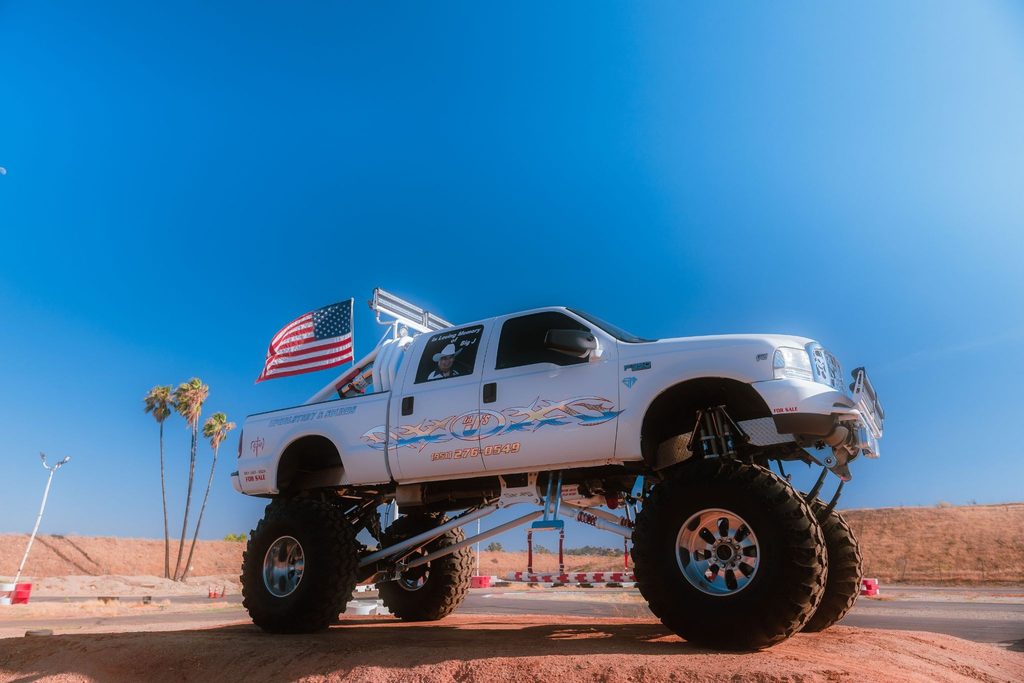
The Ford F-250 Super Duty is designed for demanding work, heavy hauling, and challenging driving conditions. When equipped with a lift kit, it can gain additional ground clearance, accommodate larger tires, and develop a more distinctive appearance. However, these modifications also introduce maintenance considerations that owners should understand. Suspension geometry, tire wear, steering components, and towing equipment all deserve regular attention to keep the truck performing reliably. Whether you already own a modified truck or are researching a lifted Ford F250 for sale, understanding its maintenance needs can help you protect your investment and enjoy a dependable driving experience.
Inspect the Suspension System Regularly
The suspension system is one of the most important areas to monitor on a lifted F-250. A lift changes the truck’s ride height and may alter the angles and operating positions of various components. Depending on the kit, the system may include replacement springs, shocks, control or radius arm components, brackets, and other hardware.
Inspect the suspension periodically for loose fasteners, damaged bushings, leaking shocks, worn joints, and unusual movement. Pay particular attention after driving over rough roads, navigating trails, or carrying heavy loads. These conditions can place additional stress on suspension components.
Listen for clunking, knocking, or squeaking sounds when driving over bumps or turning. Although these noises can have several causes, they may indicate that a component needs inspection.
Follow the lift-kit manufacturer’s service recommendations and have a qualified technician examine the system if you notice unusual handling or visible damage. Keeping the suspension in good condition helps support predictable steering, ride quality, and overall vehicle control.
Monitor Tire Pressure and Tread Wear
Larger tires are common on lifted F-250 trucks, but they require careful maintenance. Incorrect pressure, uneven wear, or damaged tread can affect traction, braking, and handling.
Check tire pressure regularly when the tires are cold, using the specifications appropriate for the vehicle and its load. Do not assume that the maximum pressure printed on the tire sidewall is the correct everyday setting. If you frequently tow or carry heavy cargo, consult the owner’s manual, tire information, and a qualified tire professional for suitable pressure guidance.
Inspect the tread for uneven wear, cuts, bulges, embedded objects, and other damage. Uneven wear along the inner or outer edges may indicate alignment problems, incorrect pressure, or worn suspension components.
Tire rotation can help promote more even wear, but the appropriate pattern and interval depend on the tire configuration and vehicle manufacturer’s recommendations. Larger tires can also be expensive to replace, making regular inspections especially worthwhile.
Schedule Wheel Alignment Checks
Proper wheel alignment is essential after installing a lift kit. Changes in ride height can affect suspension geometry, steering angles, and tire contact with the road. Without appropriate adjustments, a lifted F-250 may pull to one side, develop uneven tire wear, or feel less stable during normal driving.
An alignment should be performed after a lift installation according to the kit manufacturer’s instructions. Further checks are advisable if you hit a substantial pothole, strike a curb, replace steering or suspension components, or notice changes in how the truck drives.
Alignment is not just about keeping the steering wheel centered. A qualified technician should verify the relevant alignment angles against the specifications for the particular truck and lift setup.
Wheel balancing also matters, particularly when using larger tires and aftermarket wheels. Persistent vibration at certain speeds may indicate an imbalance, a damaged tire, a bent wheel, or another mechanical issue. Investigating these symptoms early can help prevent additional wear.
Keep Steering Components in Good Condition
A lifted truck’s steering system deserves consistent attention because it helps the driver maintain control of a heavier vehicle. Larger tires and changes in suspension geometry can place additional demands on steering components, depending on the setup.
During routine inspections, check for excessive play in the steering wheel, worn tie-rod ends, damaged ball joints, loose connections, and deteriorated bushings. A qualified technician can identify problems that may not be obvious during a visual inspection.
Be alert to steering-wheel vibration, wandering, unusual resistance, or a sudden change in handling. These symptoms should not be ignored, especially if they appear after suspension modifications or off-road driving.
Do not attempt to correct steering problems simply by replacing parts at random. Proper diagnosis helps identify the underlying cause and ensures that the repair addresses the issue rather than temporarily masking it.
Maintain the Braking System
The braking system must be able to manage the truck’s weight, tire configuration, and intended workload. Larger wheels and tires may change the effective gearing and can influence acceleration and braking response. Additional accessories also add weight.
Inspect brake pads, rotors, hoses, fluid levels, and other relevant components according to the maintenance schedule. If you regularly tow a trailer or drive through hilly terrain, discuss any additional inspection requirements with a qualified service professional.
Pay attention to warning signs such as grinding, squealing, a soft brake pedal, unusual vibration during braking, or a vehicle that pulls to one side. These symptoms may indicate a problem that needs prompt attention.
Avoid assuming that a lifted truck requires a particular brake upgrade simply because of its height. The appropriate setup depends on the vehicle, tire and wheel combination, modifications, and operating conditions. Any changes should be selected and installed by a knowledgeable professional.
Follow the Engine and Drivetrain Maintenance Schedule
A lift kit does not eliminate the need for routine engine maintenance. Oil and filter changes, air-filter inspections, coolant checks, and other scheduled services remain important for the F-250’s long-term reliability.
The correct service intervals depend on the model year, engine, mileage, and driving conditions. Diesel and gasoline versions have different maintenance requirements, so owners should follow the guidance for their specific truck rather than relying on a universal schedule.
The drivetrain also deserves attention. Depending on the lift design and vehicle configuration, changes in operating angles may affect components such as driveshafts and universal joints. Inspect for leaks, unusual vibration, damaged boots where applicable, and abnormal noises.
Heavy towing, frequent off-road use, dusty environments, and extended idling may call for additional maintenance under Ford’s recommended special operating conditions. Keep service records and ask a qualified technician whether your driving habits require more frequent inspections.
Inspect Bolts and Lift Kit Hardware
Lift kits rely on correctly installed hardware to secure their components. Over time, demanding driving conditions can expose weaknesses caused by improper installation, damaged parts, or fasteners that are not maintained according to specifications.
Check accessible mounting points and brackets for visible movement, corrosion, cracks, or signs of contact with nearby components. Follow the lift-kit manufacturer’s instructions regarding inspections and fastener torque.
Do not tighten every bolt indiscriminately. Different components require specific torque values and procedures, and some fasteners may require replacement rather than simple retightening. If you notice a loose bracket, damaged mounting point, or unusual suspension movement, have the truck inspected before continuing demanding use.
Keeping installation documents and knowing the exact lift-kit model makes it easier for service professionals to identify compatible replacement parts and follow the correct procedures.
Take Extra Care When Towing or Driving Off-Road
Many F-250 owners use their trucks for towing, work, and recreational driving. A lifted setup can provide useful ground clearance, but it does not automatically increase towing capacity or payload ratings.
Before towing, verify the truck’s rated limits and inspect the hitch, trailer connection, tires, suspension, and braking equipment. A lift can change hitch height, so the towing setup may need appropriate adjustments to maintain a suitable trailer position.
After off-road trips, inspect the underbody, tires, suspension, and exposed components for mud buildup, cuts, leaks, or impact damage. Clean away accumulated dirt and debris, particularly around areas where buildup could conceal damage or interfere with moving components.
Also remember that a taller vehicle may have a higher center of gravity and increased clearance requirements. Drive at appropriate speeds, allow extra stopping distance when necessary, and remain aware of overhead obstacles.
Conclusion
Maintaining a lifted F-250 involves more than following the standard service schedule. Owners should pay particular attention to suspension condition, tire pressure and wear, wheel alignment, steering components, brakes, drivetrain parts, and lift-kit hardware.
Regular inspections and timely professional servicing can help identify developing problems before they become expensive repairs. It is equally important to understand how modifications affect towing setup, vehicle handling, and everyday usability.
By following Ford’s maintenance recommendations alongside the lift-kit manufacturer’s instructions, owners can keep their trucks in better condition and make informed decisions about future upgrades. A consistent maintenance routine helps a lifted F-250 remain a capable, dependable vehicle for work, travel, and recreation.