
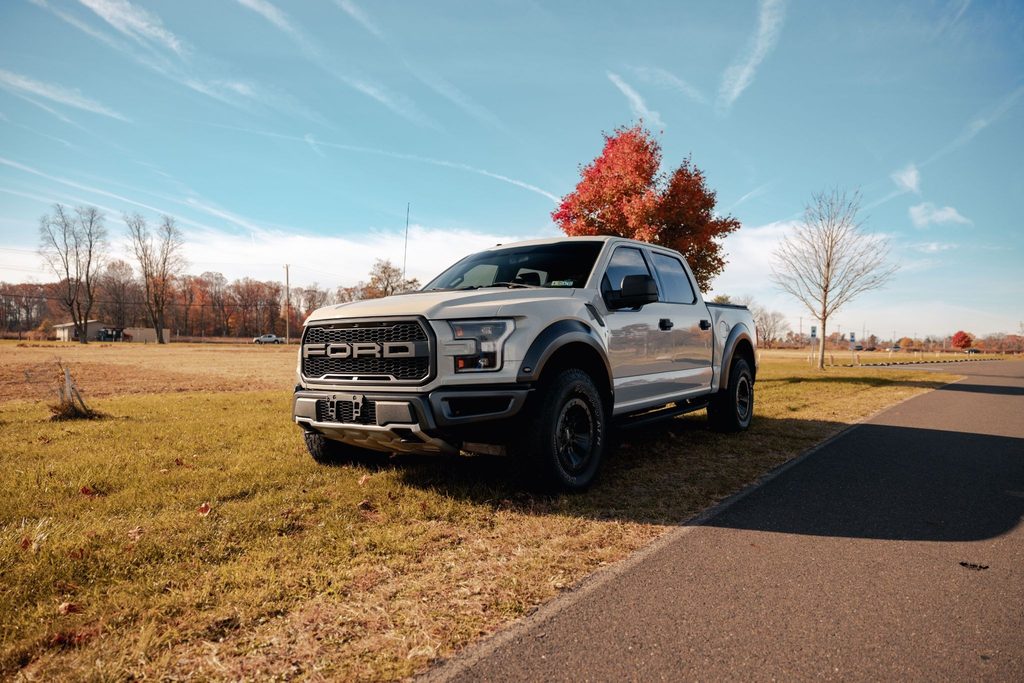
Buying a Ford is an important decision, whether you need a dependable commuter car, a spacious family SUV, or a pickup for work and weekend adventures. With different models, trims, engines, and technology packages available, it helps to approach the process with a clear plan. Texas drivers may also need to consider long highway commutes, hot weather, towing requirements, and the cost of everyday ownership. Visiting the best Ford dealership in Texas can be one step toward comparing suitable options, but preparing in advance makes it easier to evaluate vehicles objectively. A practical checklist can help you focus on your priorities, manage your budget, and make a confident purchase.
1. Define Your Driving Needs
Start by identifying how you will use your Ford most often. Your daily routine should guide your choice more than appearance or optional features.
A commuter may prefer a fuel-efficient sedan or compact SUV, while a growing family might need additional rear-seat space and flexible cargo storage. Drivers who transport tools, equipment, boats, or campers may benefit from a pickup with the appropriate towing and payload capacity.
Consider the following questions:
- How many passengers will regularly travel with you?
- Will you mostly drive in cities, on highways, or on rural roads?
- Do you need extra cargo space or towing capability?
- Which comfort, technology, and safety features matter most?
Writing down your requirements before shopping can help narrow the selection and prevent you from paying for features you rarely use.
2. Choose Between New and Used Ford Models
Decide whether a new or used Ford better suits your circumstances. A new vehicle offers the opportunity to select a preferred configuration and generally comes with new-vehicle warranty coverage. However, its purchase price may be higher, and new vehicles typically depreciate over time.
A used Ford can provide access to a higher trim level or a larger model for a lower initial cost. The trade-off is that its condition, maintenance history, mileage, and remaining warranty coverage require closer attention.
Certified pre-owned vehicles may offer additional inspection standards and warranty benefits, depending on the certification program and vehicle eligibility. Review the written terms carefully to understand what is covered, the duration of coverage, and any exclusions.
Compare the total value of each option rather than assuming that new or used is automatically the better choice.
3. Establish a Realistic Budget
Before visiting a dealership, determine how much you can comfortably spend. Consider both the purchase price and the ongoing costs of owning the vehicle.
Your budget should account for:
- Down payment and monthly loan payments, if financing.
- Insurance, registration, and applicable taxes or fees.
- Fuel, routine maintenance, tires, and unexpected repairs.
- Optional protection plans or accessories you genuinely need.
If you plan to finance your Ford, compare offers from banks, credit unions, and dealership financing sources. Review the annual percentage rate, loan term, total interest, and total amount payable.
A lower monthly payment may result from a longer loan term, which can increase the total cost. Focus on the complete financial commitment rather than choosing a vehicle based only on the advertised payment.
4. Compare Ford Models and Trim Levels
Once you know your needs and budget, compare models that meet your requirements. Ford’s lineup includes vehicles designed for different priorities, from compact crossovers to full-size pickups and heavy-duty trucks.
Within a single model, trim levels may differ in seat materials, infotainment systems, driver-assistance features, engine choices, and exterior equipment. Review the specifications for the exact model year because features can change between versions.
Create a comparison list covering the features you consider essential. For example, families may prioritize rear-seat space and child-seat compatibility, while frequent highway drivers may value comfortable seats and useful driver-assistance technology.
Avoid assuming that a higher trim automatically provides better value. The most suitable configuration is the one that offers the features you will actually use at a price that fits your budget.
5. Inspect the Vehicle Carefully
A physical inspection can reveal details that photographs and specifications cannot. If you are considering a new Ford, check that the vehicle matches the agreed configuration and that its equipment is present.
For a used vehicle, inspect the exterior for dents, inconsistent paint, damaged lights, and signs of previous repairs. Check the tires for uneven wear and examine the interior for excessive wear, unusual odors, or malfunctioning controls.
Look for warning lights and ask about any concerns before moving forward. Request available service records and a vehicle history report. In Texas, the Department of Motor Vehicles recommends checking the vehicle identification number and title history, reviewing service information, and arranging an inspection by a trusted mechanic before completing a used-vehicle purchase.
6. Take a Thorough Test Drive
A test drive helps you determine whether a Ford feels comfortable and performs as expected. Adjust the seat and mirrors, check visibility, and become familiar with the main controls before driving.
If possible, include different road conditions in your test drive. City streets can reveal how easily the vehicle maneuvers in traffic, while highway driving helps you assess acceleration, cabin noise, and stability.
Pay attention to steering response, braking, ride comfort, and unusual noises. Test the air conditioning, infotainment system, parking sensors, and other features you expect to use regularly.
For a pickup, consider whether its size and turning radius suit your typical driving environment. If towing matters, verify the exact vehicle’s towing ratings and equipment rather than relying on a general model specification.
7. Review Safety and Technology Features
Safety equipment should be an important part of your comparison. Depending on the model and trim, a Ford may offer features such as automatic emergency braking, blind-spot monitoring, lane-keeping assistance, rearview cameras, and adaptive cruise control.
Check which features are actually included on the vehicle you are considering. Some may be optional or available only in specific packages.
Review available crash-test information and check for unresolved safety recalls. For a used Ford, verify the vehicle identification number when checking recall information.
Technology should also be easy to use. Test smartphone connectivity, navigation, climate controls, and charging ports. Features that are confusing or inconvenient may not provide much value in everyday driving.
8. Check Warranty Coverage and Maintenance Costs
Before making a decision, understand the warranty coverage associated with your chosen vehicle. New and certified pre-owned vehicles may have different terms, while an ordinary used vehicle may have limited or no remaining manufacturer warranty.
Ask for written details about coverage, mileage limits, exclusions, and any available extended protection plans. Read the terms before paying for additional coverage.
Research the recommended maintenance schedule for the specific model and powertrain. Compare expected servicing, tire replacement, fuel consumption, and insurance costs. If you are considering a hybrid or electric Ford, ask about battery coverage and the maintenance requirements specific to that vehicle.
Planning for ongoing expenses can help you choose a vehicle that remains affordable after the purchase.
9. Read the Final Paperwork Before Signing
Before completing the transaction, review the sales agreement carefully. Confirm that the vehicle identification number, agreed price, trade-in value, financing terms, fees, and any promised accessories or repairs are accurately recorded.
Check whether optional products have been added to the contract. Ask for clarification about any charge or term you do not understand, and make sure verbal promises are documented in writing.
For a used vehicle, review the buyer’s guide and understand whether the vehicle is being sold with a warranty or on an “as-is” basis. Keep copies of the signed documents, payment records, and relevant warranty information.
Do not feel pressured to sign before you are comfortable with the terms.
Conclusion
Buying your next Ford in Texas becomes more manageable when you follow a clear checklist. Define your driving needs, compare new and used options, establish a realistic budget, and evaluate vehicles through careful inspections and test drives. Pay close attention to safety equipment, warranty coverage, maintenance expenses, and the final sales agreement. Taking time to verify details can help you avoid unnecessary costs and choose a vehicle that fits your lifestyle. With thoughtful preparation, you can make a well-informed decision and enjoy greater confidence in your next Ford purchase.