
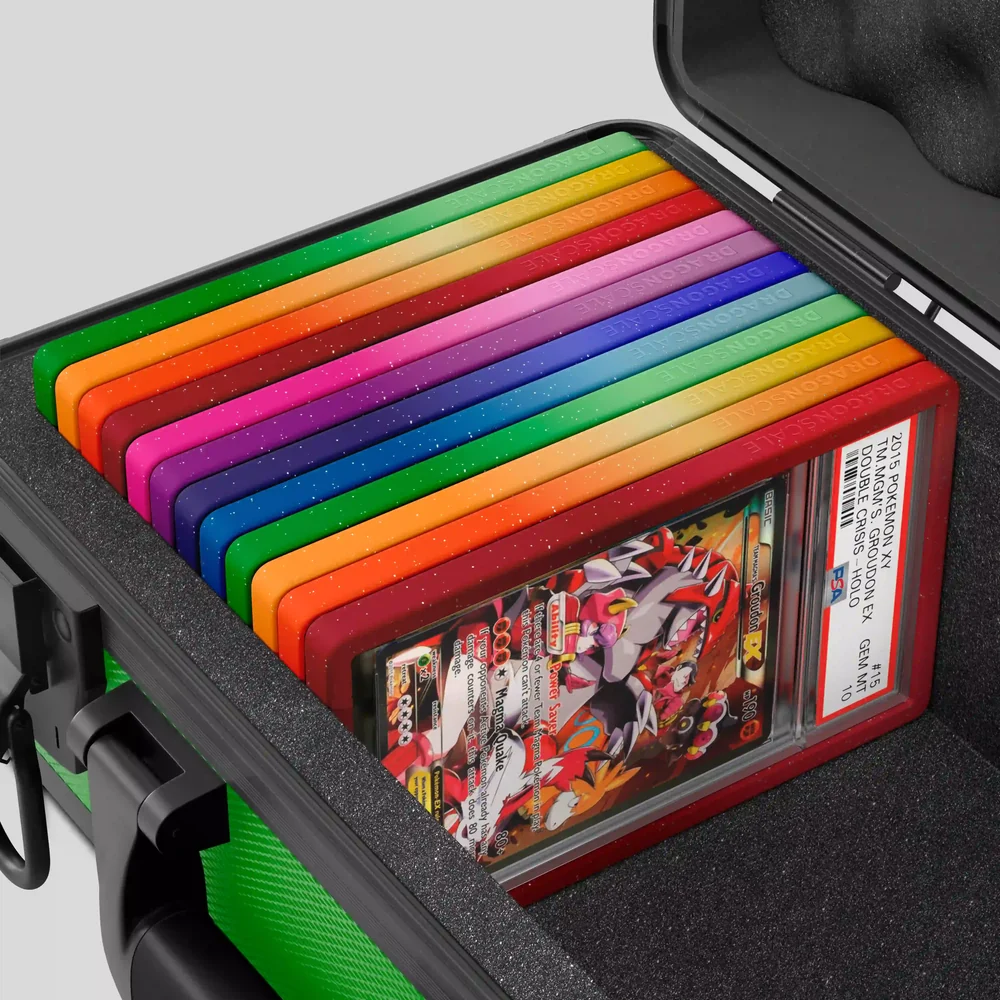
Almost every collector starts the same way. A few cards go into a shoebox, then a few dozen, and eventually the box is bulging, the corners are bent, and finding a single card means digging through everything. That moment is a sign that the collection has become something worth protecting. Trading cards are a good example because the hobby covers so many levels of care, from loose commons to graded cards worth hundreds of dollars. This guide explains how collectors move through those stages and what each one needs.
When the Shoebox Stops Working
A shoebox is fine for a handful of cards, but it has real weaknesses. Cards slide against each other, edges get pressed, humidity creeps in, and nothing is sorted. Once you notice that you cannot find a card without handling twenty others, it is time to upgrade.
Many collectors discover at this point that their collection is split into two groups: everyday cards they enjoy handling, and a smaller set of valuable cards that deserve permanent protection.
That second group often ends up in a slab vault, a dedicated storage solution built to hold graded cards safely, upright, and in order. Separating the two groups early makes every later decision easier, because each group has different needs.
Sleeves and Binders for Everyday Cards
For cards that are not graded, the first step is a soft sleeve. A penny sleeve costs very little and prevents surface scratches and edge wear. For cards with some value, double sleeving, or placing the sleeved card inside a rigid top loader, adds a layer of defense against bending.
Binders are the next step. Pages with nine pockets let you display cards in sets, which makes browsing a pleasure and keeps cards flat. A few habits help:
- Choose binders with a zipper or strap to keep dust out.
- Use pages made from archival safe plastic, which will not damage cards over time.
- Avoid overfilling the rings, since pressure on the spine can warp the cards.
- Store binders upright on a shelf, not stacked flat in a pile.
Sorting by set, year, or player gives the collection a clear structure, and it will still make sense as it grows.
Understanding the Graded Card Case
Graded cards are a different category. A grading company authenticates the card, assigns a condition score, and seals it inside a hard plastic case, often called a slab. That case protects the card from bending and handling, but the case itself is not invincible. The plastic can scratch, corners can crack, and the labels can get scuffed by sliding around in a drawer or box.
This matters because a graded card holds its value partly through the condition of its presentation. A pristine card in a battered case may still sell, but a clean case is more appealing to buyers and gives the owner peace of mind. Collectors who ship, trade, or display graded cards quickly learn that the slab needs its own protection, which brings us to the outer guard.
Adding an Outer Guard to a Graded Slab
An outer guard is a clear, snug cover that fits around the slab itself. Think of it as a sleeve for a case. Accessories like PSA slab guards slip over the graded case, absorb small impacts, and keep the plastic free of scratches, fingerprints, and scuffs. They are especially useful when you move cards between a display shelf and a storage box, bring them to a card show, or mail them to a buyer.
When choosing a guard, look for a close fit so the case does not rattle around inside. Clear material lets the label and the card stay fully visible, which matters for display and for quick identification. It is a small, inexpensive step that can keep a valuable card looking new for years.
Keeping Several Graded Cards Upright, Organized, and Easy to Find
Once you own more than a few graded cards, loose storage becomes a problem. Stacking slabs on top of each other can scratch the cases and makes it hard to reach the one you want. Most collectors settle on storing them upright, like books on a shelf, in a divided box or tray built for the standard slab size.
An upright setup has clear advantages. The labels face outward, so you can read grades and card names at a glance. Cards do not press against one another, and removing one does not disturb the others. Dividers or labeled tabs let you group by sport, set, player, or grade, depending on how you like to think about your collection.
Some practical tips for a larger graded collection:
- Keep a simple inventory, either a notebook or a spreadsheet, listing each card, its grade, and its certification number.
- Store boxes in a cool, dry room away from direct sunlight and moisture.
- Use boxes with secure lids to keep out dust and protect against accidental knocks.
- Leave a little spare room in each row so new additions do not force a full reorganization.
Hobby retailers such as Dragonscale Supplies are one source for this kind of storage, alongside local card shops and online marketplaces. Whichever place you buy from, compare sizes carefully, since slabs from different grading companies are not always identical in dimensions.
Final Thoughts
Outgrowing a shoebox is a good problem to have. It means your interest has deepened and your collection has meaning. The path forward is simple: sleeves and binders for everyday cards, outer guards for graded cases, and upright, divided storage once the graded pieces start to add up. Each step protects your cards, but just as importantly, each step makes the collection easier to enjoy. A well organized collection invites you to take cards out, look at them, and share them, which is what the hobby is really about. Start with the group of cards that matters most to you, protect those first, and build outward from there.