
Fort Collins has become one of the most sought-after places to live along the Front Range, and it is easy to see why. Between the Cache la Poudre River, the walkable Old Town core, and quick access to the mountains, it consistently draws people relocating from bigger, pricier cities. If you are planning a move to Fort Collins, a little local knowledge before you arrive can make the transition much smoother.
Get to Know the Neighborhoods First
Fort Collins is spread across a handful of distinct areas, and picking the right one depends heavily on what you want day-to-day. Old Town sits at the center and offers walkable restaurants, shops, and nightlife, though homes there tend to be older and priced at a premium. Midtown and South Fort Collins have seen heavy newer development, with more modern housing stock and easy access to shopping along College Avenue. If you want more space and a quieter pace, areas toward the northeast or out toward Timnath and Windsor offer newer subdivisions with a shorter commute back into the city.
Spend time researching school districts if you have kids, since Poudre School District boundaries can vary meaningfully block to block, even within neighborhoods that otherwise feel similar.
Plan for the Altitude and Climate
At roughly 5,000 feet, Fort Collins is not an extreme altitude, but it is enough that newcomers from lower elevations sometimes notice shortness of breath, dry skin, or faster dehydration for the first few weeks. Drink more water than you think you need and give yourself time to acclimate before jumping into strenuous hikes in the nearby foothills.
The climate itself is one of the area’s biggest draws: over 300 days of sunshine a year, low humidity, and four distinct seasons. Winters bring real snow, but it is usually followed by sunny days that melt it quickly. Summers are warm and dry rather than oppressively humid. Pack layers no matter what season you are moving in, since temperature swings of 30 degrees or more between morning and afternoon are common.
Understand the Commute and Transportation Reality
Fort Collins is walkable and bike-friendly in its core, with an extensive network of bike lanes and multi-use trails that many residents use year-round. That said, a car is still the practical choice for most day-to-day life, especially if you are commuting to Loveland, Greeley, or Denver for work. Interstate 25 running along the eastern edge of the city can back up during rush hour and around Colorado State University’s academic calendar, so factor that into where you choose to live relative to your job.
Get Familiar With Local Logistics Before Moving Day
Utility setup: Fort Collins Utilities handles electric, water, and stormwater for most of the city, and setting up service ahead of your move-in date avoids a gap in service.
Colorado State University’s calendar: CSU’s move-in weeks and football game days can affect traffic and parking across the city, so avoid scheduling your own move around those dates if possible.
Parking permits: Some Old Town and near-campus neighborhoods require residential parking permits, which is worth checking before you assume street parking is available.
HOA rules: A large share of newer subdivisions have active HOAs with move-in requirements, so review any paperwork early rather than after your truck is already unloaded.
Choosing the Right Help for Moving Day
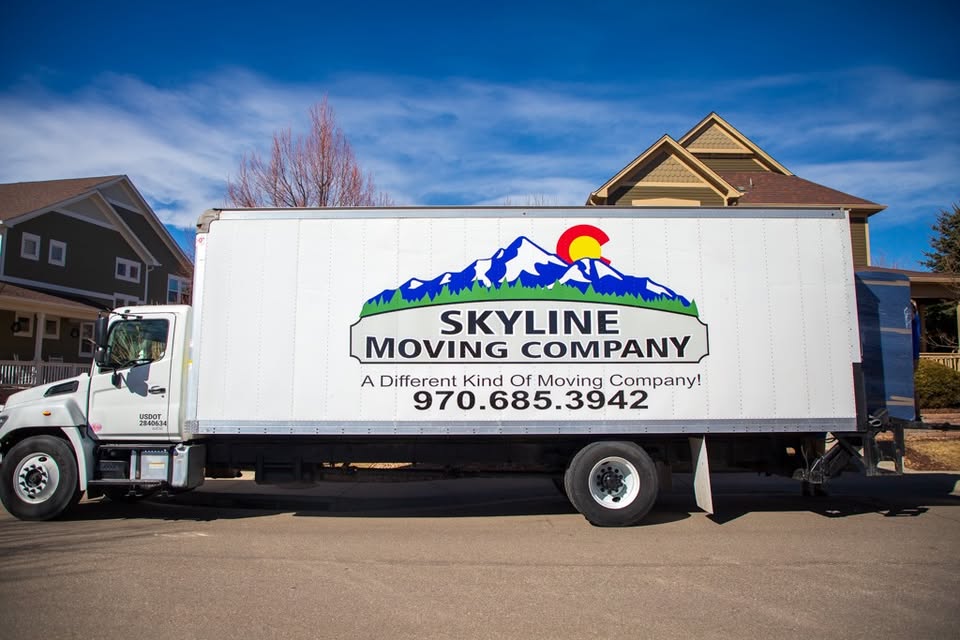
Whether you are relocating from across Colorado or coming in from out of state, working with a moving company that actually knows the local streets, HOA quirks, and building access rules around Fort Collins tends to make move-in day go far more smoothly than a crew unfamiliar with the area. Skyline Moving Company has handled enough local moves to know which neighborhoods have tight driveways, which apartment complexes require a loading dock reservation, and how to plan around CSU traffic patterns.
Final Thoughts
Fort Collins offers a genuinely appealing mix of outdoor access, sunshine, and a walkable core, but like any city, it has its own local quirks that are easier to plan around than to learn the hard way. Researching neighborhoods, preparing for the altitude and climate, and sorting out utilities and parking ahead of time will help your first few weeks feel settled rather than chaotic. With a bit of preparation, Fort Collins tends to win people over quickly.