
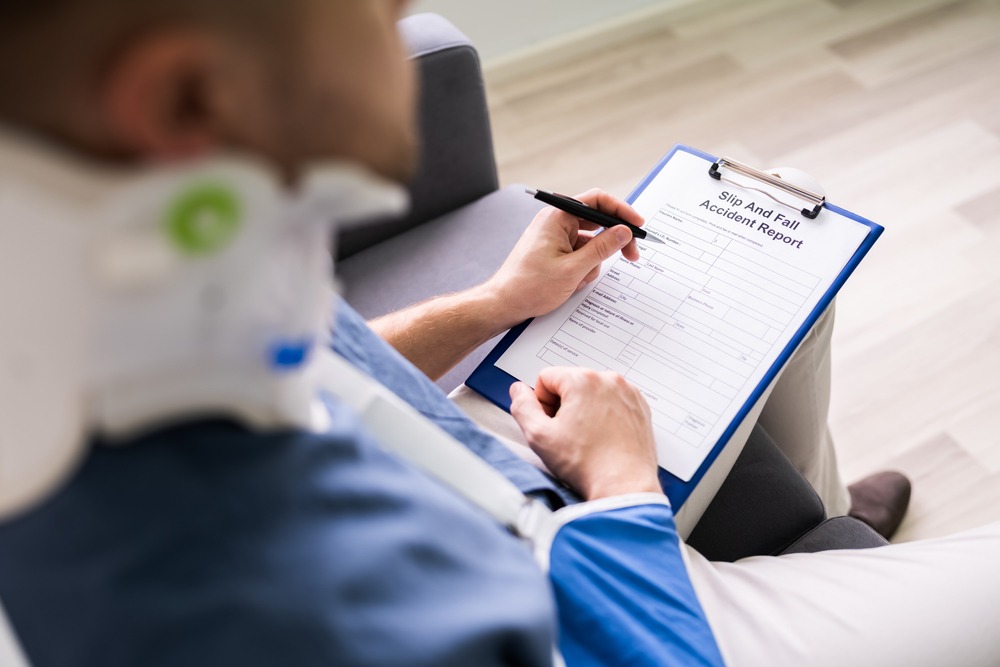
A loose floor tile, a hidden spill, or a poorly maintained walkway may seem like a small property issue, but these conditions can create serious risks for visitors. Property owners are expected to keep their spaces reasonably safe and address hazards that could cause harm. However, not every accident automatically leads to legal responsibility.
The details surrounding the hazard, the owner’s response, and the injuries involved often determine whether a person has grounds for a slip and fall claim. Recognizing the difference between an ordinary accident and a preventable safety issue can help injured individuals understand the factors that may affect their situation.
Understanding When a Property Hazard Creates Legal Concerns
A property hazard becomes a legal concern when it creates an unsafe condition that a responsible property owner should have addressed. Businesses, landlords, and property managers generally have a duty to maintain their premises and reduce risks for people who enter their property.
Common hazards that may create safety concerns include:
- Wet or slippery floors
- Uneven sidewalks or flooring
- Broken stairs or handrails
- Poor lighting in walkways
- Loose rugs or damaged carpets
- Ice, snow, or water buildup
The presence of a hazard alone may not always establish responsibility. The circumstances surrounding the condition are important, including how the hazard developed and whether reasonable steps were taken to correct it.
Why Property Owner Awareness Matters
One important part of these cases is whether the property owner knew, or should have known, about the dangerous condition. A hazard that appears suddenly may be treated differently from one that existed for a significant period without action.
For example, a store employee may notice a spill but fail to clean it or place a warning sign nearby. Similarly, a property owner who receives complaints about damaged flooring but delays repairs may have failed to address a known risk.
Property owners are not expected to predict every possible accident, but they are generally expected to take reasonable care of their premises. Regular inspections, proper maintenance, and timely repairs can help prevent dangerous conditions.
How Negligence Connects to Property Hazards
Negligence is often a key factor in determining whether a property condition may support a legal case. A person who falls because of an unsafe condition may need to show that the hazard played a role in causing the injury.
Important details may include:
- The type of hazard that caused the fall
- How long the condition existed
- Whether the owner had notice of the problem
- Whether warnings or safety measures were provided
- The actions taken by the injured person before the accident
A slip and fall claim may depend on how these details connect the unsafe condition to the resulting harm. Each situation requires careful review because small differences in circumstances can affect how responsibility is evaluated.
Property Hazards That Often Lead to Injury Risks
Different types of property conditions can increase the chances of accidents. Some hazards are easy to notice, while others may remain hidden until someone gets hurt.
Floor and Surface Problems
Damaged flooring, cracked pavement, and uneven surfaces can create unexpected obstacles. These problems may develop due to poor maintenance, aging materials, or delayed repairs.
Weather-Related Conditions
Rain, snow, and ice can create slippery areas around entrances, sidewalks, and parking spaces. Property owners may need to take reasonable precautions depending on the circumstances.
Poor Visibility and Unsafe Design
Insufficient lighting or unclear pathways can make hazards harder to recognize. A person may not have enough warning to avoid a dangerous area, especially in unfamiliar locations.
Factors That May Affect a Case
Several details may influence whether a property hazard results in legal action. The condition of the property is only one part of the situation. Other considerations may include the location of the accident, available warnings, maintenance records, and witness accounts.
Evidence can help provide a clearer picture of what happened. Useful information may include:
- Photos or videos of the hazard
- Incident reports
- Contact details of witnesses
- Medical records related to injuries
- Communication with property management
These details may help explain how the accident occurred and whether the unsafe condition was properly handled.
Steps to Take After a Property Accident
After a fall caused by a possible hazard, taking certain steps can help preserve important information. Reporting the incident to the property owner or manager creates a record of what happened.
Other helpful actions may include:
- Documenting the area where the accident occurred
- Keeping records of medical treatment
- Avoiding statements that may misunderstand the circumstances
- Collecting information from people who saw the incident
Acting carefully after an accident can help protect important details that may otherwise become difficult to confirm later.
Recognizing Preventable Property Risks
Property hazards can have serious consequences, especially when unsafe conditions are ignored or not properly addressed. A fall may involve more than an unexpected accident if a dangerous condition existed and reasonable steps could have prevented the injury.
Every situation depends on specific facts, including the condition of the property, the actions of the owner, and the impact on the injured person. If a hazardous condition contributed to your injury, consulting a qualified legal professional can help you evaluate the circumstances and determine the appropriate steps to address your concerns.