
Walk into any wellness store, scroll through any health influencer’s feed, or browse the supplement aisle of a grocery store, and you’ll notice a pattern: antioxidants are everywhere. Powders, capsules, gummies, and drink mixes tout their antioxidant content as a badge of honor. What was once a niche nutrition topic discussed mostly by dietitians and researchers has become a mainstream obsession, driving a surge in sales and search interest that shows no signs of slowing down.
So what’s behind this moment? Why are antioxidant supplements suddenly the centerpiece of so many wellness routines, and is the hype backed by anything real? Let’s break down the trend, the science, and what to actually look for if you’re considering adding one to your routine.
What Antioxidants Actually Do
Before diving into why antioxidants are trending, it helps to understand what they are and why the body needs them in the first place.
Antioxidants are compounds that help neutralize free radicals, unstable molecules produced through normal metabolic processes, environmental exposure, stress, and lifestyle factors like poor sleep or diet. Free radicals aren’t inherently bad; the body actually uses them for things like immune defense. But when free radicals accumulate faster than the body can manage them, a state called oxidative stress can occur.
Oxidative stress has been linked in research to accelerated cellular aging and has been studied in connection with a range of chronic health conditions. That’s the core appeal of antioxidants: they’re framed as a tool for helping the body maintain balance in the face of daily wear and tear.
Common antioxidants include:
- Vitamin C
- Vitamin E
- Beta-carotene
- Selenium
- Polyphenols found in fruits, vegetables, tea, and cocoa
- Flavonoids found in berries, citrus, and leafy greens
Many of these are naturally present in a varied diet, which raises the question: if antioxidants are already in food, why the sudden rush toward supplements?
The Cultural Shift Toward Preventive Wellness
One of the biggest drivers of the antioxidant supplement boom is a broader cultural shift away from reactive healthcare and toward preventive, proactive wellness. People aren’t just trying to treat illness anymore; they’re trying to optimize how they feel, look, and age well before problems arise.
This shift has been amplified by a few key trends:
The rise of the longevity movement. Biohacking communities and longevity-focused influencers have pushed the conversation around cellular aging into the mainstream. Antioxidants, often discussed alongside concepts like oxidative stress and inflammation, fit neatly into this narrative of aging well rather than just aging.
Social media as a health education platform. Short-form video content has turned complex biochemistry into digestible soundbites. A fifteen-second video explaining free radicals and oxidative stress can rack up millions of views, introducing terminology that used to live exclusively in scientific journals to a mass audience.
Post-pandemic health awareness. The years following the COVID-19 pandemic saw a measurable increase in consumer interest in immune health and overall resilience. Antioxidants, often discussed in the context of supporting the immune system, became part of that broader conversation.
Skin health and the “inside-out” beauty trend. Skincare culture has increasingly embraced the idea that what you put into your body matters as much as what you put on it. Antioxidants are frequently marketed for their potential role in supporting skin appearance, which has helped pull them into the beauty and wellness crossover space.
Why Plant-Based Formulations Are Leading the Trend
Within the antioxidant supplement category, plant-based formulas have become especially popular. This mirrors a larger movement in the supplement industry toward whole-food-derived ingredients rather than synthetic or isolated compounds.
Consumers today are more ingredient-conscious than ever. They want to know where a supplement’s compounds come from, whether they’re derived from real food sources, and whether the formulation reflects how antioxidants naturally occur in nature, often as a complex blend of compounds working together rather than a single isolated nutrient.
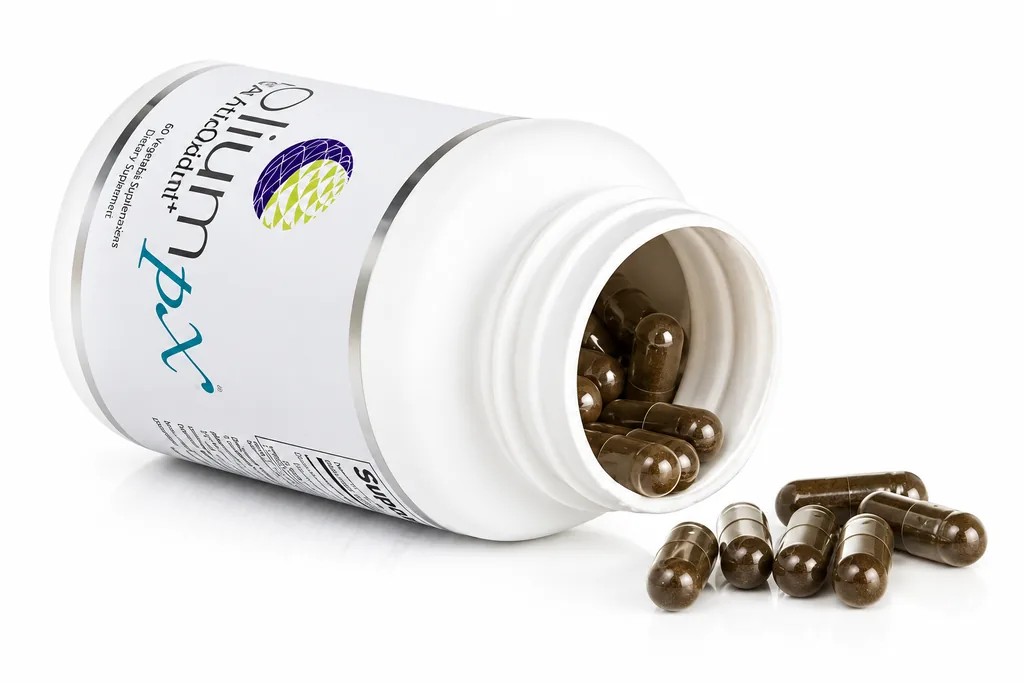
This is part of why products like a plant-based antioxidant supplement like Folium pX have found an audience. Rather than relying on a single synthetic antioxidant, formulations like these are built around whole-plant extracts and naturally occurring compounds, appealing to a consumer base that associates “plant-based” with cleaner, more bioavailable, and more holistic nutrition.
This trend also intersects with growing interest in polyphenol-rich botanicals such as green tea extract, grape seed extract, turmeric, and various berry concentrates, all of which are commonly featured in plant-derived antioxidant blends.
The Role of Influencers and Content Creators
It would be incomplete to talk about the antioxidant supplement boom without acknowledging the outsized role influencers and content creators have played. Wellness influencers, nutrition coaches, and even dermatologists on social media have popularized antioxidants as a routine addition to daily supplement stacks, often alongside collagen, magnesium, and probiotics.
This has created a kind of stacking culture where antioxidant supplements are positioned not as a stand-alone solution but as one component of a broader, personalized wellness routine. That framing has made them feel approachable and low-risk to try, which has contributed significantly to their mainstream adoption.
What the Research Actually Says
It’s worth pausing to separate hype from evidence. The science on antioxidant supplementation is more nuanced than marketing often suggests.
There is a well-established body of research supporting the benefits of antioxidant-rich foods, particularly fruits, vegetables, and whole plant sources, as part of a balanced diet. Diets high in colorful produce have consistently been associated with better health outcomes in population-level studies.
However, research on isolated antioxidant supplements has produced more mixed results. Some studies suggest that concentrated antioxidant supplementation may offer benefits for specific populations or in specific contexts, while others have found limited or inconclusive effects when antioxidants are taken outside the context of whole foods.
This doesn’t mean antioxidant supplements are without merit. It does mean that consumers should approach them as a potential complement to a nutrient-dense diet rather than a replacement for one. Whole-food-based and plant-based formulations are often viewed more favorably in this context because they attempt to mimic the synergistic effect of nutrients as they occur in nature, rather than isolating a single compound.
What to Look for in an Antioxidant Supplement
If you’re considering adding an antioxidant supplement to your routine, a few factors can help you evaluate quality and make an informed choice:
- Source transparency. Look for supplements that clearly identify where their antioxidant compounds are derived from, whether that’s specific fruits, vegetables, teas, or other plant sources.
- Third-party testing. Reputable brands often submit their products for independent testing to verify purity and potency.
- Ingredient synergy. Formulas that combine multiple complementary antioxidants, rather than relying on a single isolated compound, may better reflect how these nutrients work together in nature.
- Minimal fillers and additives. Cleaner formulations tend to avoid unnecessary binders, artificial colors, and excessive additives.
- Realistic marketing claims. Be cautious of products promising dramatic or guaranteed results. Antioxidants are supportive, not curative, and any brand implying otherwise should be approached skeptically.
- Dosage clarity. A trustworthy supplement will clearly state the dosage of each active ingredient rather than hiding behind vague “proprietary blends.”
A Word on Realistic Expectations
Antioxidant supplements are not a magic bullet, and no responsible brand or health professional would claim otherwise. They are best understood as one piece of a much larger lifestyle picture that includes a balanced diet, adequate sleep, regular movement, and stress management.
The current wellness moment around antioxidants reflects a genuine and understandable desire: people want tools that help them feel resilient in a world full of environmental stressors, processed food, and demanding schedules. Antioxidant supplements tap into that desire, but they work best as a complement to healthy habits rather than a substitute for them.
Frequently Asked Questions
What are antioxidants, in simple terms?
Antioxidants are compounds that help neutralize free radicals, unstable molecules that can contribute to oxidative stress in the body over time.
Are antioxidant supplements necessary if I eat a healthy diet?
Not necessarily. A diet rich in fruits, vegetables, and other whole plant foods already provides a wide range of antioxidants. Supplements are typically viewed as a complement rather than a requirement.
What makes a plant-based antioxidant supplement different from a synthetic one?
Plant-based formulations are derived from whole-food sources like fruits, teas, and botanicals, often containing a complex mix of naturally occurring compounds. Synthetic versions typically isolate a single antioxidant compound in a lab setting.
Are there any risks to taking antioxidant supplements?
While generally considered safe for most healthy adults when taken as directed, very high doses of certain antioxidants have been studied for potential negative effects in some contexts. It’s always wise to consult a healthcare provider before starting any new supplement, especially if you have existing health conditions or take medications.
How do I know if an antioxidant supplement is high quality?
Look for transparency around ingredient sourcing, third-party testing, clear dosage information, and formulations that combine multiple antioxidant compounds rather than relying on a single isolated nutrient.
Can antioxidant supplements replace fruits and vegetables in my diet?
No. Whole foods offer fiber, additional micronutrients, and a naturally occurring balance of compounds that supplements alone cannot fully replicate. Supplements are best used to support, not substitute, a nutrient-rich diet.
The Bottom Line
The wellness world’s current fascination with antioxidant supplements isn’t happening in a vacuum. It’s the product of a broader cultural shift toward preventive health, a growing appetite for plant-based and whole-food-derived nutrition, and the powerful reach of social media in shaping how people think about their bodies and long-term wellbeing.
Whether or not antioxidant supplements earn a permanent place in your own routine, understanding the science behind the trend and knowing what to look for in a quality product can help you make choices that align with your actual health goals rather than just chasing a moment.