
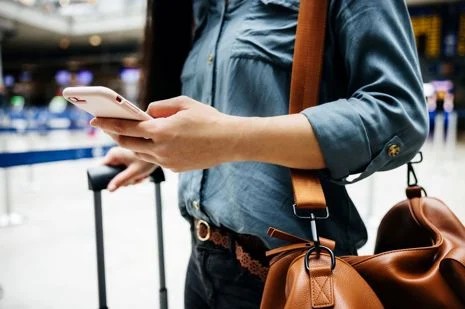
I packed for ten days in Lisbon with a 38-liter bag and still came home with a full-size bottle of ginjinha wedged between my sneakers. Nothing got checked, nothing got lost, and I never once stood at a baggage carousel watching an empty belt. That trip wasn’t luck. It was a system I’ve rebuilt on six other trips since, and it starts long before you open a suitcase.
Here’s what most travelers get wrong: they pack for the trip they imagine, then buy a checked bag at the airport for $35 to $75 each way because the bag won’t close. You can avoid that fee, and the lost-luggage risk that comes with it, with a few decisions made at the kitchen table instead of at the gate.
This guide walks through the risk check, the clothing formula, the gear that actually earns its space, and the packing method I use every time. It won’t be perfect for a ski trip or a black-tie wedding. For a normal city or beach vacation, it works.
Before You Pack a Single Thing, Check Your Route
Not every trip should go carry-on only, and pretending otherwise is how people end up miserable. Ask yourself three questions first.
- Are you flying a carrier with a strict weight limit on cabin bags? Some international carriers cap carry-ons well below what a US airline allows.
- Does your trip involve regional puddle-jumpers on small aircraft? Those sometimes gate-check roller bags whether you like it or not.
- Are you bringing anything you can’t replace easily, like camera gear or prescription medication?
If two of those answers worry you, check a bag and move on. If none do, commit to carry-on and don’t hedge by packing a “just in case” checked bag too. Hedging is what kills the whole approach.
The other pre-trip move: know what your airline’s current carry-on size rules actually are, because they change and gate agents enforce them unevenly. The Transportation Security Administration publishes screening rules that determine what you can even bring through the checkpoint, and those rules decide half your packing list.
The 3-2-1 Clothing Formula
You don’t need a packing list app or a spreadsheet. You need a ratio, and here’s the one I’ve landed on after overpacking on four separate trips.
| Category | Quantity | Rule |
| Tops | 3 | One dressy, two casual, all in neutral colors |
| Bottoms | 2 | One pair of pants, one pair of shorts or a skirt |
| Shoes | 1 worn, 1 packed | Bulkiest pair on your feet at the airport |
That’s it. Three tops and two bottoms give you six distinct outfits with zero repeats that anyone will notice, because nobody remembers what you wore on Tuesday. Do laundry once at the midpoint, which takes an hour at a laundromat and costs less than a checked bag fee.
Wear your heaviest layers on the plane. A denim jacket and boots on your body don’t count against anything, so treat the airport itself as closet space.
Rethinking What “Upgrade” Actually Means in This Category
People assume the pricier version of any travel product is the safer bet. In luggage, that’s the wrong instinct, and the same logic trips people up in every corner of the travel market.
Take protection plans. A traveler I know paid a premium for a policy she never read, discovered at the airport that her sporting equipment wasn’t covered, and spent the whole trip stressed about her golf clubs instead of enjoying Portugal. It’s worth understanding what plan tiers actually change before you commit. Travel insurance is a good example of a category where the difference between basic and premium tiers comes down to specific benefit limits, not just a higher price tag. The lesson carries over to bags: figure out what you actually need covered, then buy the smallest version that clears the bar.
A cheap woven duffel that fits every overhead bin beats a $400 roller that gets gate-checked on a regional flight. My stance: buy for the tightest constraint on your route, not the nicest-looking option in the store.
Packing Method: Roll, Cube, Then Compress
Roll your soft items, cube your hard ones. That’s the whole system, and it works because rolled clothing fills gaps that cubes leave behind.
- Lay out everything on the bed. If it doesn’t fit in three tidy piles, cut the pile, not the bag.
- Roll t-shirts, underwear, and socks into tight cylinders. They stack in a matrix at the bottom of the bag.
- Pack bulky items like a second pair of shoes or a jacket flat against the back panel.
- Put electronics and chargers in one cube, toiletries in another, so you’re not digging through a rolled wardrobe at security.
- Weigh the bag on a kitchen scale. Know your number before you leave the house.
Test the zipper before you leave. If it needs a knee to close, you’ve packed too much. The bag gets heavier at the end of the trip when you add souvenirs, so leave a hand’s width of slack on the outbound leg.
The Gear I’d Cut From Any List
Some items earn their space, and some are just comfort objects disguised as necessities. Here’s my honest verdict on the common suspects.
- A second pair of jeans: cut it. Jeans are heavy and slow to dry, and the pair you’re wearing survives four days at a stretch.
- A dedicated travel pillow: cut it. Roll a jacket into a neck roll instead and save the volume.
- A foldable tote: keep it. It costs nothing, weighs nothing, and becomes your daily bag at the destination.
- Extra toiletries: cut them, buy them there. Anything under three ounces you’d finish in a week isn’t worth the space.
One item nobody cuts but should: the paperback you’ll never open. Your phone has three books on it. Leave the paper brick at home.
If the Airline Loses It Anyway
Cabin bags still get gate-checked, and occasionally a bag gets tagged all the way to your final destination and then vanishes. That’s when reimbursement rules matter, and those rules sit with regulators, not with the airline’s customer service script. US regulators and their international equivalents set the baseline for how carriers handle baggage claims, and knowing those baselines helps you push back when a desk agent shrugs.
Two things make a lost bag survivable. First, keep your medication, chargers, and one day of clothing in the personal item under the seat in front of you, never in the overhead bin. Second, photograph your packed bag before you zip it. That photo has settled more than one claim.
Your Packing Checklist for the Night Before
Lay everything out, then run this list once and stop second-guessing yourself.
- Three tops, two bottoms, one worn pair of shoes, one packed pair.
- Medications, chargers, passport, and one change of clothes in the personal item.
- One photo of the open, packed bag.
- Weigh the bag on a kitchen scale.
- A folded tote crammed into the side pocket.
- Laundry plan for the midpoint of the trip.
That’s a full carry-on framework, and it fits in a 38-liter bag with room for ginjinha. The International Air Transport Association tracks how airlines handle baggage across global routes, so if you’re flying a carrier you don’t know, it’s worth a look before you decide whether to trust the overhead bin. The next time you’re staring at an open suitcase and a boarding pass, ask yourself one question: what’s the heaviest thing in here that I’m only bringing because I’m nervous? Cut it, zip the bag, and walk past the check-in counter without slowing down.