
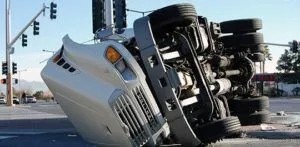
Jericho, New York, is a busy Long Island community where local streets connect residents and commuters to major routes that carry commercial traffic across Nassau County. With passenger vehicles and large trucks sharing these roads, a serious collision can quickly leave an injured person facing questions that extend far beyond the crash scene. Trucking cases can involve federal safety requirements, corporate records, complex insurance policies, and companies located outside the immediate area. Understanding how these factors fit together can be difficult while someone is dealing with physical pain and changes to everyday routines.
Legal representation helps you examine what led to the collision and determine which businesses or individuals may be legally accountable. Speaking with a Jericho truck accident lawyer can also help victims understand their rights and the steps available for pursuing fair financial recovery. With informed legal support, injured people can approach the claims process with greater clarity while concentrating on rebuilding their lives after the collision.
Why Truck Crashes Require Focused Investigation
Commercial trucking cases often involve the driver, carrier, truck owner, trailer owner, broker, shipper, or equipment manufacturer. Each party may control different records and insurance coverage, so identifying responsibility requires a focused investigation. A truck accident lawyer reviews those relationships, gathers relevant evidence, and develops a claim that reflects the crash’s full financial and personal impact.
Medical treatment comes first, but legal preservation should begin quickly. When their health permits, victims should photograph vehicles, roadway conditions, visible injuries, and property damage. An attorney can send preservation requests for driver logs, onboard data, maintenance files, dispatch records, cargo documents, and surveillance footage. Those materials often disappear through routine retention practices, repairs, or vehicle sales.
How Lawyers Identify Responsible Parties
A truck crash rarely involves a single decision-maker. The driver may have caused the collision, while the trucking company, maintenance provider, cargo loader, or vehicle manufacturer contributed to the conditions that caused it.
Lawyers examine hiring records, training materials, driving histories, inspection reports, maintenance schedules, and cargo-loading procedures. This review helps determine whether unsafe conduct, poor maintenance, overloaded cargo, or defective equipment contributed to the crash. Multiple parties may share responsibility for one collision. Naming each responsible party helps prevent an injured person from relying on incomplete insurance coverage.
Building Proof Of Negligence
A successful claim requires evidence that connects unsafe conduct to the collision and resulting injuries. Investigators compare police reports, witness accounts, vehicle damage, road conditions, and available electronic data. Driver logs can show hours worked and rest periods before the crash. Maintenance records can reveal missed inspections, worn tires, brake problems, or unresolved repair issues.
An attorney also tracks medical records and treatment recommendations. These documents connect the collision to the injuries and show how those injuries affect work, mobility, daily activities, and future care.
Calculating The Full Financial Loss
Medical expenses often include emergency transportation, hospital treatment, surgery, medication, rehabilitation, assistive devices, and follow-up care. A claim should account for bills already incurred and treatment doctors expect later.
Lost wages form another part of the calculation. An injured person may lose income during recovery, while a permanent disability can reduce future earning capacity. Non-economic losses include pain and suffering, disability, and disfigurement. Documented effects on daily life provide context for these losses during settlement negotiations or trial.
Managing Insurers And Settlement Offers
Commercial trucking insurers assign adjusters and attorneys to examine claims quickly. Their early questions and settlement proposals can affect the information available later. A lawyer handles insurer communications and reviews proposed settlements against the documented losses. This process reduces the risk of accepting payment before the full medical outlook becomes clear.
Victims should avoid recorded statements about fault, injuries, or recovery without legal advice. A careless statement can create confusion about facts that later evidence clarifies.
Addressing Serious Injuries And Wrongful Death
Truck collisions frequently cause traumatic brain injuries, spinal cord damage, paralysis, fractures, and internal organ injuries. These conditions often require long treatment periods and affect independence, employment, and family responsibilities.
A legal claim should reflect the injury’s lasting effects rather than focus only on initial hospital bills. Medical opinions, treatment records, and employment evidence help establish those continuing consequences. Fatal truck crashes create separate legal concerns for surviving family members. A wrongful death claim may address financial losses and the harm caused by losing a close relative.
What Victims Should Do After A Crash
Injured people should follow medical instructions and keep records of appointments, prescriptions, therapy, symptoms, and work absences. Consistent documentation helps show how the crash affects recovery.
Families should preserve photographs, vehicle information, insurance correspondence, witness details, and copies of medical bills. They should also keep damaged personal property until an attorney advises otherwise. A prompt case review lets a lawyer assess the evidence, identify responsible parties, and explain available legal options. Waiting can make records harder to obtain and witness memories less reliable.
Conclusion
After a serious truck crash, the first legal decisions affect the evidence, parties, and compensation available later. A qualified attorney can investigate the collision, identify every responsible party, document long-term losses, and manage insurer communications while the injured person focuses on treatment. Victims should seek medical care, preserve crash records, and arrange a case review before accepting a settlement. That step creates a clearer path toward compensation for medical needs, lost income, and lasting harm.