
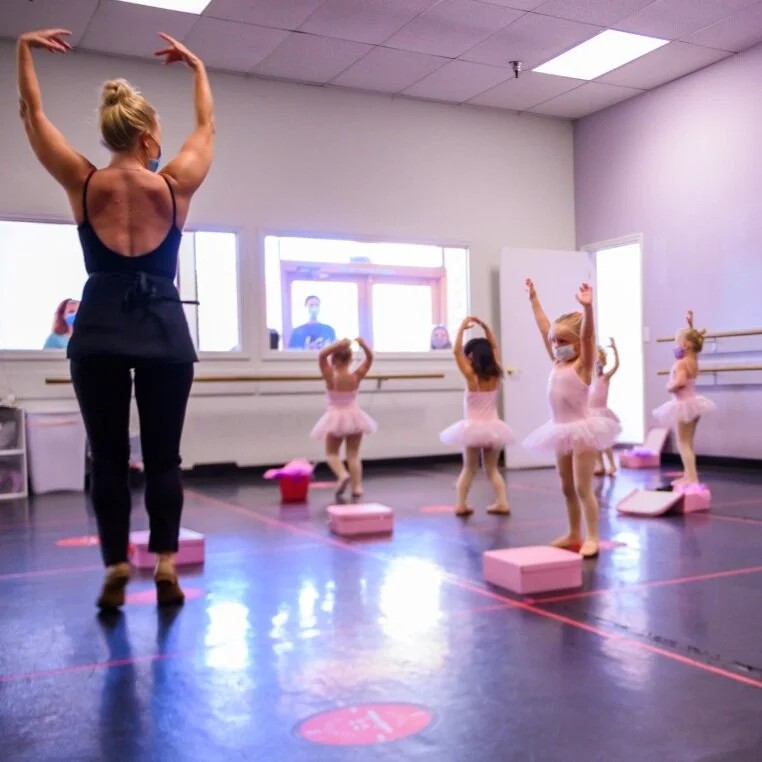
By age five, many children have already spent a year or two moving to music in a classroom setting, and parents often wonder what progress actually looks like at this stage. Dance is not just about pretty positions or recital costumes. In the early years, it is a full-body and full-brain activity that shapes coordination, confidence, listening skills, and social awareness. Understanding what a five-year-old should reasonably be expected to know and do in dance class helps parents choose the right program and set realistic expectations for their child’s growth.
This guide breaks down the key skills, milestones, and qualities that a strong dance program for ages 2 to 5 should nurture, along with answers to the questions parents ask most often.
Why Age Five Matters in Dance Education
The years between two and five are a critical window for gross motor development, body awareness, and early social learning. Children’s brains are wiring themselves for coordination, balance, and rhythm during this stage faster than at almost any other point in life. Dance classes designed for this age group take advantage of that window by turning basic movement into playful, structured practice.
By the time a child turns five, instructors and parents are not looking for technical perfection. Instead, they are looking for a foundation. That foundation includes physical control, an understanding of following directions in a group, and a genuine enjoyment of movement. Children who build this base early tend to transition more smoothly into structured ballet, tap, or jazz training later on.
Core Motor Skills Children Should Develop
Physical development is the most visible outcome of early dance training. A well-designed dance program for ages 2 to 5 focuses on gross motor skills first, since fine motor control and precise technique come later.
By age five, most children in a consistent dance class should be able to:
- Balance on one foot for a few seconds without support
- Skip, gallop, and hop with reasonable control
- Move in a straight line, a circle, and across the floor with purpose
- Copy simple movement sequences after watching a teacher demonstrate them
- Point and flex their feet and begin to understand basic positions of the arms and legs
- Jump with both feet together and land with bent knees
These skills may look simple, but they require significant coordination between the brain and the body. Children who practice them regularly in a supportive class setting build strength and body control that supports every other physical activity, from sports to simply running around the playground.
Musicality and Rhythm Awareness
Learning to move with music is one of the most important, and often overlooked, skills in early dance education. A five-year-old does not need to count musical phrases or understand time signatures, but they should be developing an instinct for rhythm.
Children in this age range typically start to:
- Clap or step in time with a steady beat
- Recognize the difference between fast and slow music and adjust their movement accordingly
- Understand simple musical cues like “freeze” when the music stops
- Begin distinguishing between different qualities of movement, such as sharp versus smooth or big versus small
This kind of musicality training does more than prepare children for choreography. It supports listening skills, patience, and the ability to process information quickly, all of which carry over into the classroom and everyday life.
Social and Emotional Skills Through Dance
Dance class is often a child’s first structured group activity outside of preschool or daycare, and the social skills learned there are just as valuable as the physical ones. In a good dance program for ages 2 to 5, children are gently guided to interact with peers, share space, and follow a teacher’s lead without a parent standing beside them.
By age five, children should be showing progress in:
- Taking turns and waiting for their moment during an activity
- Following multi-step directions from an instructor
- Standing in their own spot without constantly touching classmates
- Managing small frustrations, like not being first in line, without a meltdown
- Building confidence to perform a movement or short routine in front of others
These social milestones are frequently the biggest source of pride for parents, since a child who can calmly participate in a group class has developed patience and self-regulation that will help in kindergarten and beyond.
What a Quality Dance Program for Ages 2 to 5 Should Include
Not all early childhood dance classes are created equal. Parents should look for a dance program for ages 2 to 5 that balances structure with play, since children at this age learn best through movement games, storytelling, and imaginative play rather than strict drills.
A strong program typically includes:
- Short attention span-friendly activities, usually five to ten minutes per task
- A consistent class structure, so children know what to expect each week, such as a warm-up, center work, and a cool-down
- Age-appropriate music with clear, engaging rhythms
- Props like scarves, ribbons, or small balls to build coordination through play
- Positive reinforcement rather than correction-heavy teaching
- Teachers trained specifically in early childhood movement, not just general dance technique
Programs that push formal technique, long stretches of stillness, or complicated choreography too early often lead to frustration rather than growth. The goal at this age is joy in movement paired with gradual skill building.
Signs Your Child Is Ready to Advance
Parents often ask how to know when a child has outgrown a beginner class. A few signs point to readiness for a more structured level:
- The child can follow a sequence of three or more movements in order
- They show interest in learning specific dance vocabulary, like plie or tendu
- They can maintain focus for longer stretches of class without needing constant redirection
- They express enthusiasm for practicing at home or asking questions about dance
Every child develops at a different pace, and readiness for the next level is about consistency and interest rather than age alone.
FAQ
What age should a child start dance classes? Most dance schools accept children starting around age two, often in a parent and child class. Independent classes without a parent in the room typically begin between ages three and four.
How often should a five-year-old take dance class? Once a week is standard for this age group. It provides enough consistency to build skills without overwhelming a young child’s schedule or attention span.
Should my child specialize in one style of dance by age five? No. Most experts recommend a general creative movement or combo class that introduces ballet, tap, and basic rhythm work rather than early specialization. Specialization is better suited for children who are older and have shown a clear interest in a specific style.
Is it normal for a young child to cry or resist during dance class? Yes, especially in the first few weeks. Separation from a parent, a new environment, and following instructions from someone other than a caregiver can all be challenging at first. Most children adjust within a month of consistent attendance.
What should I look for in a dance teacher for this age group? Look for a teacher with specific training or experience in early childhood movement. Patience, energy, and the ability to turn instructions into games matter more at this stage than the teacher’s own performance background.
Do young children need special shoes or clothing for dance class? Most programs require basic ballet slippers and comfortable, fitted clothing that allows a teacher to see body alignment. Specific requirements vary by studio, so it is worth checking before the first class.
Choosing the Right Class for Your Child
Selecting the right dance class for a child under five comes down to finding a balance between structure and play. Look for a program that prioritizes movement fundamentals, musicality, and social skill building over early technical perfection. A well-run dance program for ages 2 to 5 should leave a child excited to come back the following week, confident in their ability to move, and gradually more comfortable following directions in a group setting.
Progress at this age is rarely linear, and every child will reach these milestones on their own timeline. What matters most is that dance remains a source of joy, curiosity, and gentle challenge, laying the groundwork for a lifelong relationship with movement and music.