
Most trips blur together after a few years. The hotel room fades, the drive fades, and what stays is a handful of moments that felt different from ordinary life at the time. Nobody plans those moments deliberately, but the conditions that produce them can absolutely be planned for.
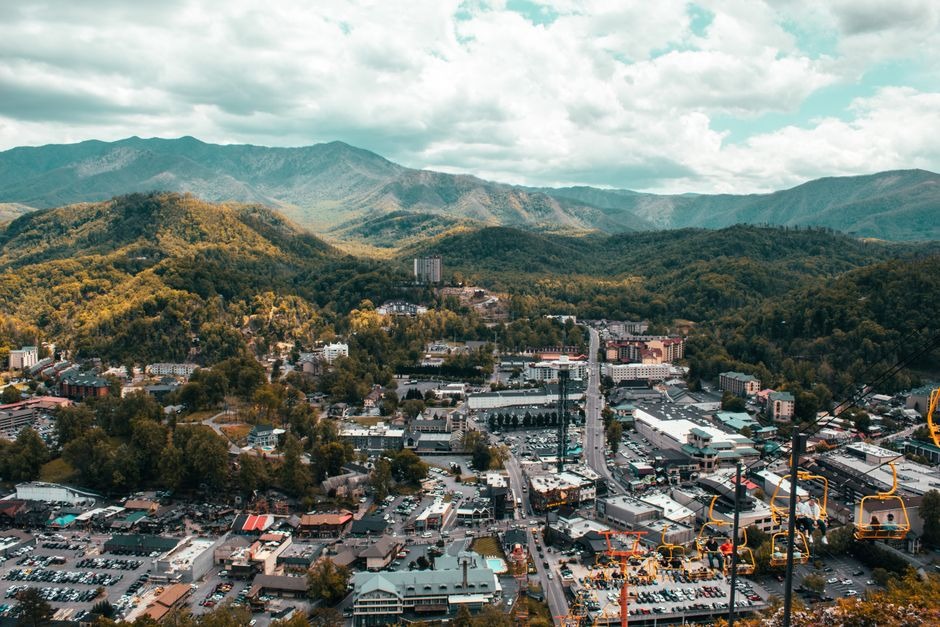
A vacation that leaves a mark tends to share a few traits: unhurried pacing, shared experiences rather than parallel ones, and at least one evening everyone talks about afterward. Travelers heading to Pigeon Forge have plenty of room to build all three, provided they think about the shape of the trip before they think about filling it.
Finding Something Everyone Can Enjoy Together
Family trips run into the same obstacle every time, which is that the people traveling together rarely want the same thing on the same afternoon. Picking entertainment for a mixed group almost always leaves somebody quietly overruled, and that person spends the night waiting for it to be over instead of enjoying it. An evening built on live music, comedy, and dance solves the problem differently, because it gives every age in the room its own reason to be glad it came.
If you are also looking for memorable entertainment in Pigeon Forge, check out Country Tonite, as it offers a fast-paced production of country classics, comedy, gospel, and choreography inside a theater built for it. The cast includes youth performers, which gives younger visitors someone their own age to watch.
Pacing a Trip So Nobody Comes Home Exhausted
The most common mistake in vacation planning is treating the schedule like a checklist to be cleared. People book something for every block of the day, then spend the entire trip moving, arriving late, and eating in the car. They return home more tired than when they left and remember almost none of it clearly.
Open time is not wasted time. It is where the unplanned parts of a trip happen, and the unplanned parts are disproportionately what people recall years later. A slow morning with no obligations, an unexpected detour, a long conversation over breakfast that nobody was rushing away from. None of that fits on a schedule, and all of it requires the schedule to have gaps.
A workable rule is one anchor commitment per day and nothing more. Everything else stays flexible. If the day expands naturally into something better, there is room for it. If someone needs a nap or the weather turns, nothing collapses.
Understanding the Seasons Before Booking Anything
Timing changes the character of a mountain trip more than most travelers expect. Summer brings heat, crowds, and the fullest possible range of things to do. Autumn brings color and comfortable temperatures along with the heaviest weekend traffic of the year. Winter thins the crowds considerably and shifts the whole area toward a slower, more decorative mood. Spring is the least predictable and often the least expensive.
There is no correct answer, only trade-offs worth understanding before committing. Travelers who prioritize quiet should avoid peak foliage weekends. Those who want maximum activity should accept that they will share it with a lot of other people. Anyone traveling with young children should weigh crowd tolerance heavily, since long lines and packed sidewalks degrade a child’s day faster than anything else.
Where to Stay and How Much It Actually Matters
Lodging decisions absorb an outsized share of planning energy relative to their impact. Most people spend very little waking time in the room, and the features that seem important while browsing rarely register during the trip itself.
Location matters more than amenities. A place central enough to reduce daily driving saves hours across a week, and those hours go directly back into the vacation. A slightly plainer room fifteen minutes closer to everything usually beats a nicer one on the far edge of town.
Space matters more than luxury for groups. Families crammed into a single room get on each other’s nerves by day three regardless of how nice the finishes are. Separate sleeping areas and somewhere to sit that is not a bed prevent a surprising amount of conflict.
Eating Well Without Turning Meals Into Projects
Vacation dining goes wrong in two predictable directions. Some travelers over-research, building a list so specific that every meal becomes a logistical event with a reservation window and a drive attached. Others underplan entirely and end up eating whatever is closest at the moment hunger becomes urgent, which is almost never good.
The middle path works better. Pick one or two meals across the trip worth planning around, treat the rest as opportunistic, and keep enough snacks on hand that nobody makes a desperate decision at four in the afternoon. Breakfast in particular is worth simplifying, since a slow start eaten wherever everyone happens to be sets a much better tone than herding a tired group toward a specific table.
Traveling With a Larger Group Without Losing the Plot
Groups multiply every planning difficulty. Coordination that takes one text message for a couple takes an hour of negotiation for twelve people, and the natural response is to over-structure everything, which drains the enjoyment out of the trip for everyone involved.
The better approach is a loose framework with clear anchor points. Everyone knows where to be at two set moments per day and is otherwise free. Subgroups form naturally around shared interests, people get the downtime they need, and the group still reconvenes for the parts worth experiencing together.
Letting the Trip Become Something Worth Retelling
The trips people describe fondly years later usually were not the most efficient ones. They were the ones with enough breathing room for something unscripted to happen, and enough shared moments that everyone is remembering the same night rather than eight separate ones.
That outcome comes from restraint more than ambition. Fewer commitments, better chosen. More time together, less time in transit. A willingness to abandon the plan when something better appears. Build a trip on those principles and the memories take care of themselves.