
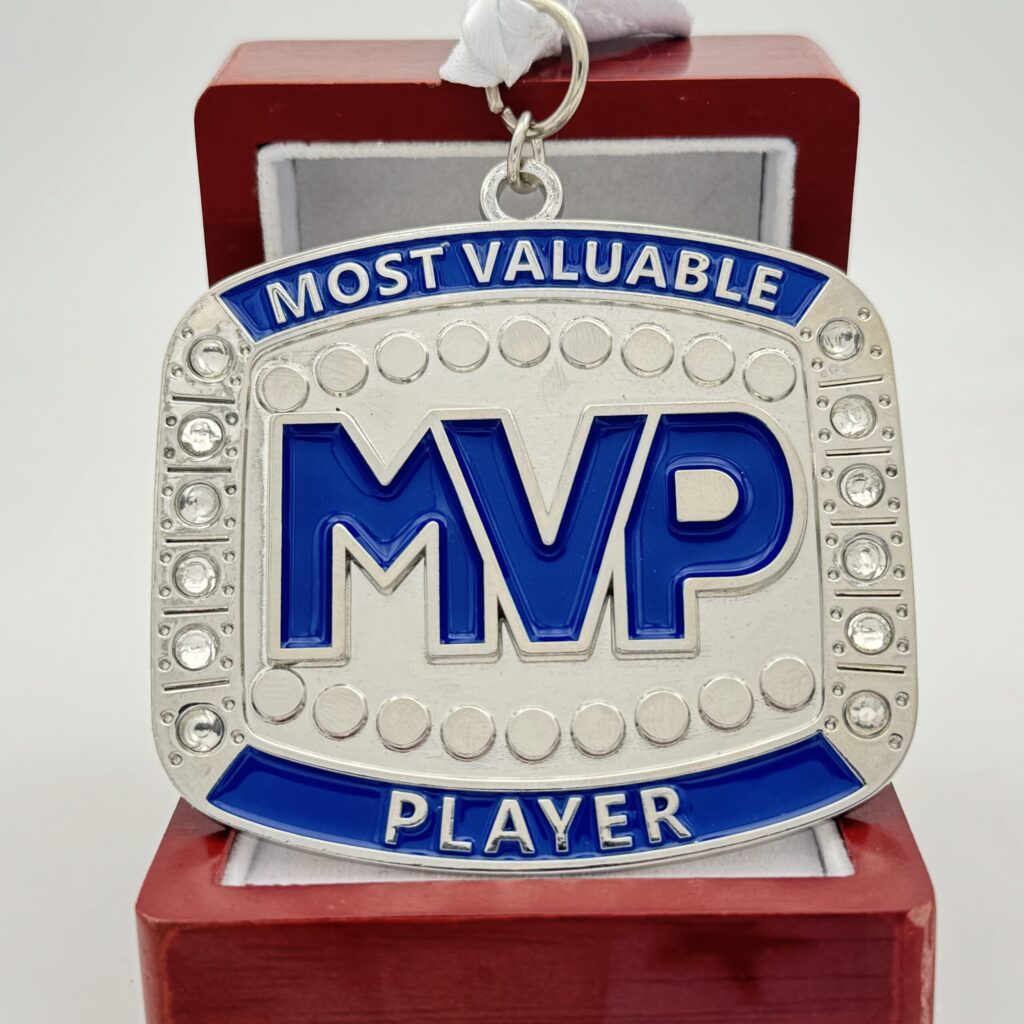
The back-to-school season brings new classes, busy family schedules, and the start of fall athletics. Coaches and league organizers often focus first on tryouts, uniforms, practice plans, and game schedules, leaving awards until the final weeks of the season. Planning recognition early can prevent rushed decisions and make the championship experience more meaningful for athletes. Ordering fall sports championship rings, trophies, medals, or plaques ahead of time also gives teams more control over design, cost, and delivery. A clear awards plan allows coaches to celebrate achievement without adding unnecessary stress during playoffs, tournaments, or end-of-season events.
Why Early Award Planning Matters
Team awards may seem like a small detail compared with scheduling games or preparing athletes, but they play an important role in the overall season. Recognition gives players a lasting reminder of the work, improvement, and teamwork that shaped their experience. When awards are planned late, organizers may have fewer customization options or may be forced to accept rush fees and limited designs. Early preparation creates time to compare products, review budgets, collect accurate roster information, and correct mistakes before production. It also ensures that awards are ready when athletes and families are most excited to celebrate.
Planning early can improve the fairness and consistency of the award process as well. Coaches have time to define what each award represents and how recipients will be selected. Instead of making decisions based only on the final game, they can evaluate effort, leadership, development, sportsmanship, and performance throughout the season. Clear criteria help players understand the standards they are working toward. This approach makes recognition feel earned and connected to the team’s values.
Start With the Purpose of Your Awards
Before choosing products, coaches should decide what they want the awards to communicate. Some programs focus on championship achievement, while others also recognize improvement, leadership, attendance, academic performance, or positive conduct. The purpose should match the age group, competitive level, and philosophy of the organization. A recreational youth league may emphasize participation and growth, while a competitive school program may prioritize performance and team results. Defining the purpose early makes every later decision easier.
Coaches should also determine whether recognition will be team-based, individual, or a combination of both. Team awards celebrate a shared accomplishment and reinforce the idea that every roster member contributed. Individual awards can highlight special achievements, but they should not undermine the importance of teamwork. A balanced program might provide championship rings to an entire team while presenting a small number of individual awards at the banquet. This structure recognizes collective success while still celebrating athletes who demonstrated exceptional qualities.
Build an Awards Timeline Before the Season Gets Busy
A simple timeline can keep organizers from scrambling near the end of the schedule. The process should begin before the first game or during the opening weeks of practice. Early tasks include establishing the budget, choosing award categories, researching vendors, and identifying who will approve designs. Midseason tasks may include confirming roster spellings, reviewing standings, and adjusting quantities. Final tasks should focus on recipient selection, delivery, inspection, and presentation planning.
A practical awards timeline may include:
- Eight to twelve weeks before the event: Set the budget and research award options
- Six to eight weeks before the event: Select designs and confirm customization details
- Four to six weeks before the event: Finalize quantities and submit the order
- Two to four weeks before the event: Confirm shipping and prepare the ceremony
- One to two weeks before the event: Inspect awards and correct any issues
- Event week: Organize awards by team, category, or presentation order
Custom products may require more production time than standard medals or certificates. Organizers should ask vendors about artwork approval, manufacturing, engraving, shipping, and potential delays. Building extra time into the schedule is especially helpful during busy fall sports months. A realistic timeline protects the league from last-minute problems.
Set a Budget and Know What It Includes
Award budgets should be established before organizers begin comparing elaborate designs. The total cost may include the award itself, personalization, artwork setup, engraving, packaging, shipping, and taxes. Some vendors offer quantity discounts, while others charge separately for names, numbers, logos, or custom molds. Understanding the complete cost prevents unpleasant surprises after an order has been approved. It also helps leagues decide where customization provides the greatest value.
Funding can come from several sources, depending on the structure of the organization. Schools may have athletic department budgets, booster club support, or fundraising revenue. Community leagues may use registration fees, sponsorships, tournament proceeds, or donations. Teams should communicate with families if award costs are included in participation fees or require a separate contribution. Clear financial expectations make the process more transparent and reduce confusion.
Choose Awards That Match the Achievement
The type of award should reflect what athletes accomplished. Certificates may be appropriate for participation, attendance, or academic recognition, while medals can work well for tournament placement or skill competitions. Trophies and plaques are often used for individual honors, coaching recognition, or team displays. Championship rings are especially effective when a team wins a league title, postseason tournament, or major rivalry event. The award feels more meaningful when its format matches the significance of the achievement.
Fall sports championship rings can be used across football, soccer, volleyball, field hockey, cross-country, cheer, and other seasonal programs. They can include the school name, mascot, championship year, division, team colors, or player number. Coaches may choose one standard design for the entire roster or add individual personalization. The goal is to create a recognizable symbol of the season without crowding the design with unnecessary details. Simple, well-organized customization often produces the strongest result.
Confirm Roster Information Early
Misspelled names and incorrect jersey numbers are among the most common avoidable award problems. Coaches should create a master roster and ask athletes or families to verify all personalization details. The list should include preferred names, correct spelling, jersey numbers, team level, and award sizes when applicable. One designated person should manage updates so multiple versions of the roster do not create confusion. A final verification step should occur before the order is submitted.
The roster should also account for coaches, managers, trainers, volunteers, and other eligible contributors. Programs need a clear policy about who receives team awards, especially when student managers or injured athletes remained involved throughout the season. Ordering a few additional non-personalized awards may be helpful for late roster additions or unexpected needs. However, personalized extras should be avoided unless the information is confirmed. Accurate records protect the budget and ensure that no deserving team member is overlooked.
Develop Fair Individual Award Criteria
Individual awards can create positive motivation when the criteria are specific and fair. Coaches should avoid choosing recipients based only on popularity, one memorable game, or the loudest parent opinions. Standards can include season-long performance, attendance, coachability, leadership, improvement, sportsmanship, and contribution to team goals. Assistant coaches may provide valuable observations from practices, position groups, and sideline interactions. A collaborative process can reduce bias and create more thoughtful decisions.
Common individual award categories include:
- Most Valuable Player
- Offensive Player of the Year
- Defensive Player of the Year
- Most Improved Player
- Leadership Award
- Sportsmanship Award
- Coaches’ Award
- Academic Excellence Award
- Unsung Hero Award
- Best Teammate Award
Programs should select only the categories that support their values. Too many awards can reduce the distinction of each honor and make the presentation unnecessarily long. A focused group of meaningful categories is usually more effective. Coaches should also prepare specific examples explaining why each recipient was selected.
Coordinate Awards With Your Event Plan
Awards should be integrated into the championship game, banquet, pep rally, or team gathering rather than treated as an afterthought. Organizers need to decide who will present each award, how recipients will be introduced, and when photographs will be taken. A printed presentation list can help prevent skipped names or incorrect award distribution. Awards should be organized in the same sequence in which they will be presented. This preparation makes the ceremony feel professional and respectful.
The event should acknowledge the people who supported the athletes throughout the season. Coaches may thank families, assistant coaches, athletic staff, officials, sponsors, and volunteers before presenting awards. Brief remarks can connect each honor to the team’s growth and accomplishments. The ceremony does not need to be long, but it should feel intentional. A well-planned presentation gives athletes time to appreciate the moment.
Avoid Common Last-Minute Mistakes
Many award problems result from waiting too long to make basic decisions. Delayed ordering can lead to higher costs, missed delivery dates, unavailable products, or reduced customization choices. Poor roster management may cause incorrect names or missing awards. Unclear selection criteria can create frustration among athletes and families. Rushed presentations may make meaningful recognition feel disorganized.
Teams can avoid these problems by assigning clear responsibilities. One person may manage vendor communication, another may verify the roster, and the coaching staff may handle recipient selection. Deadlines should be documented and shared with everyone involved. Organizers should also inspect the shipment immediately rather than waiting until the day of the event. Early review provides time to address damaged, missing, or incorrect items.
Frequently Asked Questions About Planning Team Awards
When should teams order fall sports awards?
Teams should generally begin planning eight to twelve weeks before the expected presentation date. Custom products may require additional time for design approval, production, and shipping.
What information is needed for custom championship rings?
Most vendors need the team name, championship year, logo, colors, quantity, player names, jersey numbers, and ring sizes. Requirements vary by supplier and design.
Should every championship player receive a ring?
Every eligible rostered player should generally receive the same team championship award. Programs should also consider coaches, managers, and other contributors based on their established policy.
How can teams keep award costs under control?
Teams can set a budget early, order in bulk, limit personalization, seek sponsors, and compare total vendor costs. The total should include setup, customization, packaging, and shipping.
What awards are appropriate for non-championship teams?
Non-championship teams can recognize improvement, leadership, sportsmanship, academic performance, attendance, and team contribution. Awards should reflect real accomplishments rather than feel automatic.
How should individual award winners be selected?
Coaches should use clear season-long criteria and consider input from assistant coaches. Statistics can be part of the process, but should not be the only factor.
What should teams do if awards arrive with errors?
Organizers should contact the vendor immediately with photos and order details. Inspecting awards early provides more time for replacements or corrections before the ceremony.
Make Recognition Part of the Season Plan
Team awards are most effective when they are planned with the same care as practices, uniforms, travel, and game-day logistics. Starting early gives coaches time to create fair criteria, manage the budget, verify details, and choose awards that match the team’s achievement. It also allows vendors enough time to produce accurate custom pieces without expensive rush service. Athletes receive a more organized and meaningful experience when recognition is built into the season from the beginning. Early planning turns awards from a final task into part of the team’s culture.
Fall sports championship rings can become lasting reminders of effort, friendship, resilience, and shared success. Whether the team competes in football, soccer, volleyball, cheer, or another fall sport, the right recognition can preserve memories long after the final game. Coaches and organizers should begin the process during the back-to-school period, before schedules become crowded and postseason pressure builds. A clear timeline and thoughtful award strategy help everyone enjoy the celebration. By planning now, teams can end the season with recognition that feels accurate, personal, and worthy of the athletes’ hard work.